
Top Emergency HVAC Services in Nevada, TX, 75173 | Compare & Call

Texas Elite Heating and Air is your trusted local HVAC expert serving Nevada, TX, and the surrounding communities. We understand that homes in our area frequently face specific challenges like air han...

C & D Air Conditioning and Heating is Nevada, TX's trusted local HVAC expert, dedicated to keeping homes comfortable year-round. We understand the specific challenges faced by local systems, such as c...
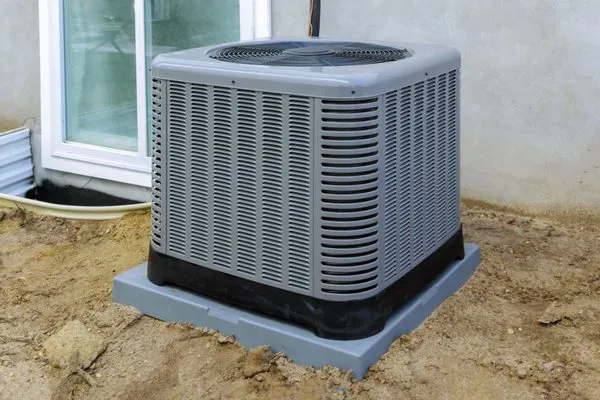
Satisfied Heating and Air is a family-owned HVAC contractor dedicated to serving homeowners in Nevada, TX, and the surrounding DFW area. Established in December 2023, we bring over 20 years of combine...
Freon Heating and Air was established to provide honest and expert HVAC services to our Nevada community. Every repair and installation is guided by professionalism and a commitment to clear communica...
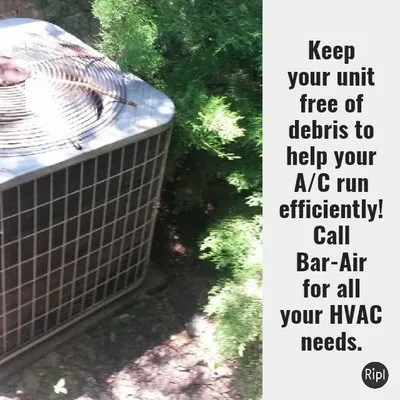
Bar-Air has been a trusted, independently owned HVAC resource for Nevada, TX, and the greater Dallas-Fort Worth area since 2000. As a sole proprietor, the owner brings a personal commitment to every j...
Snider's Heat and Air, established in 2005, is a trusted Nevada, TX-based HVAC contractor, fully licensed (TACLA023562E) and insured. We specialize in providing tailored heating and cooling solutions ...
Mechanical One Services is your trusted local expert for HVAC and plumbing in Nevada, TX. We understand the specific challenges homeowners face in our community, such as duct leakage that reduces syst...
FAQs
What permits and safety standards apply to new R-454B refrigerant installations in Nevada homes?
Collin County Development Services requires permits for all refrigerant system installations involving A2L refrigerants like R-454B. The 2026 standards mandate leak detection systems, service valve caps, and proper ventilation for these mildly flammable refrigerants. Technicians need EPA Section 608 certification with specific A2L endorsement. Proper documentation ensures compliance with both local codes and updated national refrigerant safety protocols.
My HVAC system seems to be struggling more each summer. How old is the typical system in Nevada homes, and why does that matter?
The average Nevada home was built around 2006, making typical HVAC systems about 20 years old in 2026. At this age, components like capacitors face cumulative stress from Texas heat cycles. Capacitor failure due to extreme heat becomes common as dielectric materials degrade, causing compressors or fan motors to stop working. Regular maintenance can extend system life, but replacement planning is wise for units approaching two decades.
With Nevada's ozone risk and April pollen peaks, what filtration upgrades work with existing flexible ductwork?
Nevada's humid subtropical climate creates ozone formation risks while April brings heavy pollen loads. Flexible R-6 insulated ducting typically handles MERV-13 filters without static pressure issues if the system has proper airflow design. Higher MERV ratings capture more particulates but require checking static pressure measurements. Balanced filtration maintains indoor air quality without overtaxing the blower motor.
What efficiency standards apply to new AC systems in Nevada for 2026, and how do rebates affect the cost?
The 2026 federal mandate requires minimum 14.3 SEER2 efficiency for new installations. At Nevada's 0.145/kWh utility rate, upgrading from older 10 SEER units can save $400-600 annually. The Inflation Reduction Act's HEEHRA program provides up to $8,000 in rebates for qualifying high-efficiency systems. Combining these savings with utility programs like Oncor's Take A Load Off Texas makes premium efficiency units cost-effective.
How well do modern AC systems handle Nevada's summer temperatures compared to their design limits?
Nevada's 101°F design temperature represents the peak condition systems are engineered to handle. Modern R-454B refrigerant systems maintain efficiency up to this threshold with proper sizing. Above design temperature, capacity decreases gradually rather than failing abruptly. Proper Manual J load calculations ensure systems have adequate capacity margins for the hottest days while avoiding oversizing issues.
My Ecobee thermostat shows an E1 error code. What does this mean for my Nevada HVAC system?
Ecobee E1 alerts indicate communication loss between the thermostat and HVAC equipment. In Nevada systems, this often precedes capacitor failure or control board issues exacerbated by heat stress. The error triggers before complete system shutdown, allowing preventive maintenance. Technicians check wiring connections and component voltages when responding to E1 codes to address underlying electrical issues.
Considering Nevada's winter lows and peak electricity rates, does switching from gas heat to a heat pump make sense?
Nevada's winter temperatures rarely challenge modern cold-climate heat pumps, which maintain efficiency down to 5°F. The 14:00-20:00 peak utility hours align with typical heating demand in evening hours. Heat pumps avoid natural gas price volatility while qualifying for HEEHRA rebates. A dual-fuel system retaining gas backup provides redundancy during extreme cold snaps or power outages.
My air conditioner stopped cooling during peak afternoon heat in Nevada City Center. How quickly can a technician respond?
Emergency no-cool calls in Nevada City Center typically see a 5-10 minute response time from local technicians. Dispatch routes from Nevada City Hall via State Highway 78 avoid residential traffic delays. Technicians carry common replacement parts like capacitors to address immediate failures. This rapid response helps prevent indoor temperature spikes during Texas summer afternoons.
