
Top Emergency HVAC Services in Rhome, TX, 76052 | Compare & Call

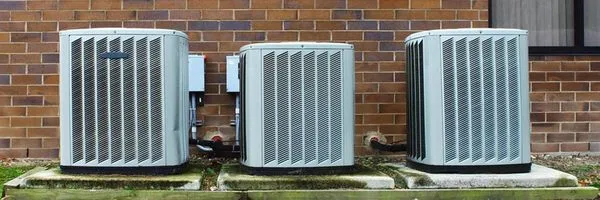
Aaron Service is a trusted, family-owned HVAC company that has been providing reliable heating and air conditioning solutions to the Rhome community and across North Texas since 2011. Their team of sc...

Pure Chem in Rhome, TX, is your local expert for HVAC installation and replacement, serving Wise County and the surrounding areas. We understand the specific challenges homeowners face, such as short-...
FAQs
What permits and standards apply to new HVAC installations in Rhome?
The City of Rhome Building Inspection Department requires permits for all HVAC replacements and major modifications. 2026 installations using R-454B refrigerant must comply with updated A2L safety standards addressing mild flammability. These include leak detection systems, proper ventilation requirements, and technician certification. Compliance ensures safe operation while maintaining eligibility for utility rebates and IRA incentives available through local programs.
Do new efficiency standards make sense for Rhome homeowners?
The 2026 SEER2 minimum of 14.3 represents a significant efficiency upgrade from older systems. At Rhome's 14-cent per kWh rates, a modern 3.5-ton unit can reduce cooling costs by 30-40% annually. The Inflation Reduction Act provides up to $8,000 in rebates through HEEHRA, making high-efficiency replacements financially accessible. These combined savings typically justify investment within 3-5 years of operation.
How old is my HVAC system likely to be in Rhome?
With homes averaging a 1998 build year, most HVAC units in Rhome are around 28 years old in 2026. This age exceeds typical equipment lifespans of 15-20 years. Older systems in North Texas face capacitor failure due to extreme heat cycles, as thermal expansion and contraction degrade components over decades. Regular maintenance can extend service life, but replacement planning becomes essential at this stage.
Can my Rhome home handle better air filtration?
Rhome's ozone risk and April pollen peak create indoor air quality challenges. Flexible insulated ducting in local homes may struggle with MERV-13 filters due to increased static pressure. A static pressure test determines if your duct system can accommodate higher filtration without reducing airflow. Alternative solutions include standalone air purifiers or modified filter arrangements that maintain system performance while capturing particulates.
What if my AC stops working during a Rhome heatwave?
For no-cool emergencies in Rhome City Center, technicians can dispatch from near Rhome Veterans Park via US-287 for a 5-10 minute response. Quick diagnosis often reveals capacitor failure or refrigerant issues common in older systems. Immediate steps include checking the thermostat and circuit breaker before professional service. This rapid response helps prevent indoor temperature spikes during peak heat hours.
What does an Ecobee E144 alert mean for my Rhome system?
The Ecobee E144 code indicates a communication failure between the thermostat and HVAC equipment. In Rhome's climate, this often results from capacitor degradation affecting control board voltage. The alert allows early intervention before complete system failure occurs. Technicians can diagnose whether the issue originates in the thermostat wiring, control board, or power supply, preventing emergency breakdowns during peak cooling demand.
Should I switch from gas heat to a heat pump in Rhome?
Heat pumps offer efficient heating during Rhome's mild winters, with modern units effective down to 5°F. The 14:00-20:00 utility peak hours make heat pump operation during off-peak periods particularly cost-effective. Combined with IRA rebates up to $8,000, the economics favor heat pumps for many Rhome homes. A dual-fuel system maintaining gas backup provides flexibility during extreme cold snaps while maximizing efficiency.
Why does my AC struggle on Rhome's hottest days?
Rhome's 98°F design temperature represents the maximum condition HVAC systems are engineered to handle. When temperatures exceed this threshold, systems operate continuously with reduced capacity. Modern R-454B refrigerant maintains better performance in extreme heat compared to older refrigerants, but all systems experience efficiency decline above design limits. Proper sizing through Manual J calculations ensures optimal performance during typical summer conditions.
