
Top Emergency HVAC Services in Richland Hills, TX, 76117 | Compare & Call


Brown Service Company has been a trusted, family-owned HVAC partner for Fort Worth area residents and businesses since 1952. Based in Richland Hills, we bring over seven decades of local experience to...
Gray Heat & Air is a Richland Hills-based HVAC company proudly serving our community and the greater Fort Worth area since 1980. We are dedicated to providing professional heating and cooling services...
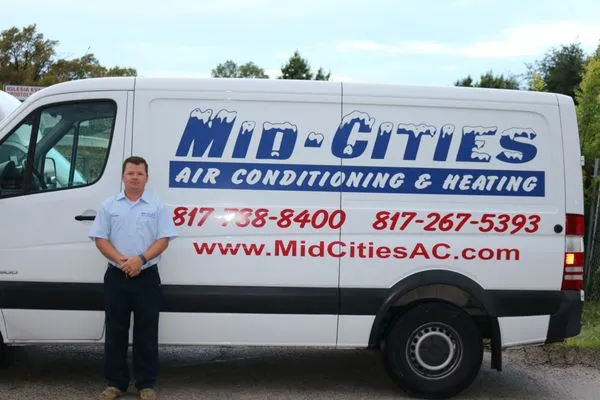
Mid Cities Air Conditioning and Heating in Richland Hills, TX, is a family-owned HVAC company focused on your comfort. Led by Service Manager Jonathan Hamill, a former US Army Sergeant who served two ...
Torres Services is a trusted heating and air conditioning provider serving Richland Hills and the surrounding communities for over 15 years. Our team specializes in comprehensive HVAC solutions, inclu...

Home Services at The Home Depot
Home Services at The Home Depot in Richland Hills, TX, is a trusted local provider for essential home improvement needs, specializing in flooring, windows, and HVAC systems. As part of The Home Depot'...
AC Executives
AC Executives is a trusted HVAC company serving Richland Hills, Fort Worth, and nearby communities. We specialize in heating and air conditioning installation, repair, and maintenance, as well as wate...
Mystic Heat & Air is your trusted, local HVAC expert serving Richland Hills, TX. We understand the specific challenges homeowners in our community face, from heat pump reversing valve malfunctions to ...
Ken's Services is a trusted, locally-owned heating, cooling, and appliance repair company serving Richland Hills, TX, and the surrounding Tarrant County area. As a licensed HVAC provider and an author...
Atlantic Air is your trusted local HVAC expert serving Richland Hills, TX. We specialize in comprehensive heating and air conditioning solutions, including professional system installation, replacemen...
Q&A
My system is about as old as the neighborhood. What problems should I expect?
A system installed in the mid-1980s, like many in Richland Hills, is now 40 years old. This age places it well beyond its typical 15-20 year service life, making it prone to failures. The flexible R-6 ductwork in these homes often degrades, leading to significant air leakage and higher energy bills. A key failure point for older systems here is condensate drain line algae blockage, as years of moisture and heat create an ideal environment for microbial growth, which can cause water damage or system shutdowns.
My Ecobee thermostat is showing an E1 alert. What does that mean here?
An Ecobee E1 alert specifically indicates the thermostat has lost communication with your HVAC equipment. In Richland Hills, this is frequently caused by a safety switch interruption from a clogged condensate drain line—a common issue due to our humidity. The alert prevents the system from running to avoid water damage. Check the drain pan for overflow and clear any visible blockage at the PVC line exit. If the pan is dry, the issue may be a tripped float switch, a blown low-voltage fuse at the air handler, or a wiring fault that requires professional diagnosis.
What are the rules for installing a new system with the latest refrigerant?
All installations in Richland Hills require a permit from the City of Richland Hills Building Inspections Department. As of 2026, new systems predominantly use A2L refrigerants like R-454B, which are mildly flammable. This mandates compliance with updated safety standards, including specific leak detection requirements, revised clearance distances, and the use of certified tools and recovery equipment. Hiring a licensed contractor who follows these protocols is not just a recommendation—it's a requirement for a safe, legal, and warrantied installation that meets current code.
With our ozone and pollen issues, can my existing ductwork handle a high-grade air filter?
Addressing ozone and April pollen peaks requires effective filtration, but your system's capacity is key. The flexible R-6 insulated ductwork common in Richland Hills homes can create higher static pressure. While a MERV-13 filter is excellent for capturing fine particulates, installing one in an older system without a proper static pressure check can severely restrict airflow, reduce cooling capacity, and strain the blower motor. A technician should measure your system's static pressure to confirm it can accommodate the upgrade without losing performance.
Why does my AC seem to struggle when it's over 100 degrees?
Your system is engineered for a specific load, based on a 99°F outdoor design temperature common for our area. When actual temperatures exceed this—as they often do in a North Texas summer—the system must run continuously and cannot lower the indoor temperature to the thermostat setpoint. This is a capacity, not a failure, issue. Modern systems using R-454B refrigerant are designed for better high-temperature performance and efficiency than older R-22 or R-410A units, helping to maintain more cooling capacity during these peak heat events.
I use gas heat now. Is switching to a heat pump a good idea for our winters?
For Richland Hills, a dual-fuel system pairing a heat pump with your existing gas furnace is often the optimal solution. The heat pump provides efficient heating during our mild winters and all cooling, while the gas furnace acts as a cost-effective backup during the few annual freezing hours. This setup leverages the heat pump during Oncor's higher-cost peak hours (2 PM to 8 PM) for cooling and automatically switches to cheaper gas heat when outdoor temperatures drop below the heat pump's most efficient operating range, maximizing year-round savings.
My air conditioner just quit on a hot day. How fast can someone get to my house near the City Center?
A no-cool call is a priority. From our dispatch location near the Richland Hills Public Library, we can access the City Center neighborhood directly via TX-121. This routing typically allows a technician to be on-site within 10 to 15 minutes. The first step will be to check for a tripped breaker, a clogged condensate drain switch, or a failed capacitor—common culprits that can often be resolved quickly to restore cooling.
What does the new 14.3 SEER2 minimum mean for my utility bills and upgrade costs?
As of 2026, all new central air conditioners and heat pumps must meet a 14.3 SEER2 minimum, a standard that accounts for modern static pressure realities. For a typical 3.5-ton system in Richland Hills, upgrading from a 10 SEER unit to a 16 SEER2 model can reduce cooling costs by roughly 30%, saving about $300 annually at the local 14-cent per kWh rate. The federal Inflation Reduction Act provides a tax credit of up to $2,000 for qualifying high-efficiency installations, which significantly offsets the initial investment.
