
Top Emergency HVAC Services in San Juan, TX, 78516 | Compare & Call

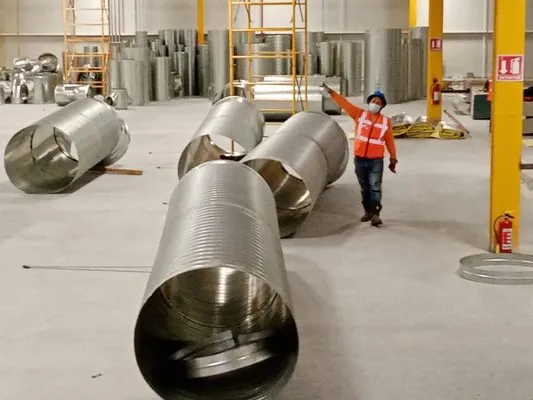
Infinity HVAC Service is your trusted local expert for reliable heating and air conditioning in San Juan, TX. We specialize in installing, repairing, and maintaining HVAC systems to combat the specifi...
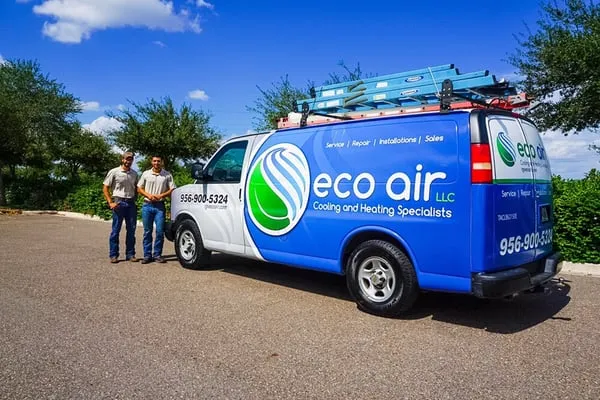
Eco Air was founded in San Juan, TX, to bring a higher standard of HVAC service to the Rio Grande Valley. After spending over five years in the field and seeing too many homes suffer from poor service...
Edmann's Commercial Refrigeration & AC
For over 25 years, Edmann's Commercial Refrigeration & AC has been the trusted HVAC specialist for San Juan, Texas, and the surrounding region. We specialize in providing reliable air conditioning and...
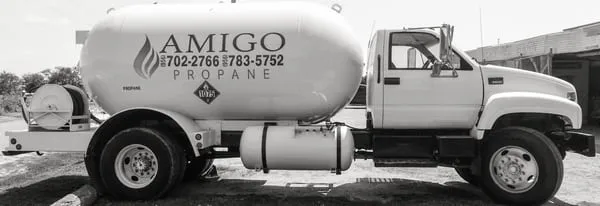
Amigo Propane has been a trusted propane and HVAC service provider in San Juan, TX, and the wider Rio Grande Valley for over 20 years. Founded by Abel Garza, a Marine Corps veteran who served multiple...

Since opening its doors in 2012, Home Tech RGV has been the go-to appliance repair and home service expert for residents and businesses across the Rio Grande Valley. Based right here in San Juan, our ...

Deleon Services is a trusted, locally-owned company in San Juan, TX, providing comprehensive solutions for homeowners through landscaping, handyman, and heating & air conditioning (HVAC) services. We ...
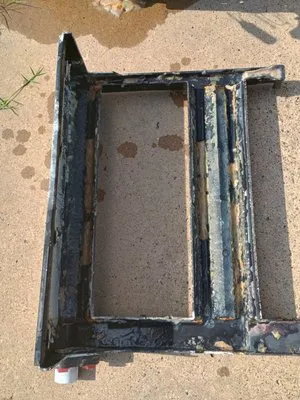
Emrys AC Company is a family-owned HVAC business serving San Juan and the surrounding Rio Grande Valley. We bring a personal, dedicated approach to every job, backed by a team of skilled, certified te...
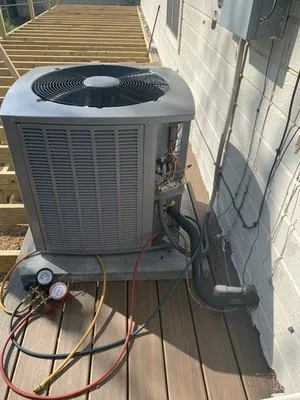
Based in San Juan, JL Cooling & Heating has been the trusted HVAC service provider for the Upper Rio Grande Valley since 2009. We specialize in both residential and commercial systems, handling everyt...
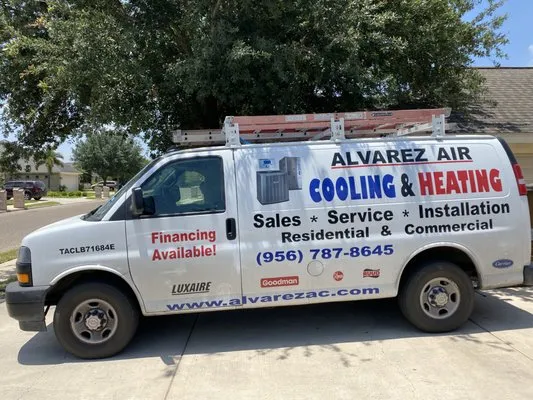
Alvarez Air Cooling & Heating is a trusted, family-owned HVAC provider serving San Juan and the surrounding Rio Grande Valley. As a licensed and insured company, we bring years of hands-on experience ...
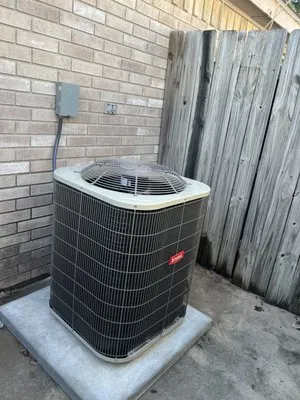
Since 1998, L&S Air has been the reliable, honest choice for heating and air conditioning services in San Juan and the wider Rio Grande Valley. As a licensed and insured provider, we build trust throu...
FAQs
What permits and standards apply to new AC installations in San Juan?
All HVAC installations requiring refrigerant work must be permitted through the City of San Juan Building Inspections Department. Since 2025, systems using R-454B and other A2L refrigerants require specialized certification due to their mild flammability characteristics. Installations must include leak detection systems, service access clearance modifications, and proper equipment labeling as per UL 60335-2-40 standards. These 2026 requirements ensure safe operation while enabling the transition to lower-GWP refrigerants mandated by EPA regulations.
What should I do if my Downtown San Juan AC stops cooling during a heatwave?
First check your thermostat settings and circuit breakers, then call for service if those are normal. From our location near San Juan Municipal Park, we can typically reach Downtown San Juan addresses within 10-15 minutes via US-83. This rapid response prevents indoor temperatures from climbing dangerously high during peak heat hours. Emergency service prioritizes restoring cooling capacity while diagnosing underlying issues like refrigerant leaks or compressor failures.
What does an Ecobee E1 error mean for my San Juan HVAC system?
An Ecobee E1 alert indicates the thermostat has lost communication with your HVAC equipment. In San Juan's environment, this often results from voltage fluctuations during summer thunderstorms or corrosion on low-voltage connections in humid conditions. The error triggers equipment shutdown to prevent damage from incorrect operation. Troubleshooting involves checking the 24V transformer, wiring integrity at both thermostat and air handler, and control board functionality. Prompt resolution prevents extended downtime during critical cooling periods.
Should I switch from electric resistance heat to a heat pump in San Juan?
Heat pumps offer significant advantages over electric resistance heating in San Juan's climate. With winter lows rarely dropping below freezing, modern cold-climate heat pumps maintain efficiency down to 5°F while providing 2-3 times more heat per kilowatt-hour. Programming operation outside 2-8 PM peak utility hours maximizes savings from 13¢/kWh rates. The combination of HEEHRA rebates and reduced operating costs typically yields a 3-4 year return on investment for homeowners replacing aging electric furnaces.
Why does my AC struggle when temperatures approach 100°F?
San Juan's 98°F design temperature represents the peak condition HVAC systems are engineered to handle. When actual temperatures exceed this threshold, systems operate continuously but may maintain only a 15-18°F delta T instead of the ideal 20°F. R-454B refrigerant maintains better efficiency than older refrigerants in these extreme conditions due to its lower global warming potential and improved heat transfer properties. Proper sizing through Manual J calculations ensures adequate capacity without short-cycling during milder weather.
How do the 2026 SEER2 standards affect my electricity bills?
The 14.3 SEER2 minimum requirement represents a 15% efficiency improvement over previous standards for San Juan's climate zone. At current 13¢/kWh rates, upgrading from a 10 SEER system to a 16 SEER2 unit saves approximately $450 annually on cooling costs. The Inflation Reduction Act's HEEHRA rebates provide up to $8,000 toward qualified high-efficiency installations, making the payback period under 5 years for most homeowners. These combined savings justify replacement before complete system failure occurs.
Why do San Juan AC systems from the late 1990s often fail?
Most San Juan homes built around 1999 have HVAC units that are now 27 years old, exceeding typical 15-20 year lifespans. These older systems face accelerated condenser coil corrosion due to the region's humid subtropical climate combined with persistent dust accumulation. The constant moisture and particulate matter create an electrolytic environment that degrades aluminum fins and copper tubing over time. Regular maintenance can extend service life, but replacement becomes economically sensible when repair costs approach 50% of new system value.
Can my existing ductwork handle better air filters for San Juan's ozone and pollen issues?
Flexible R-6 insulated ducts in typical San Juan homes can accommodate MERV-13 filters if the system has adequate blower capacity. March pollen peaks and summer ozone risks make high-efficiency filtration valuable for respiratory health. However, installing MERV-13 filters without verifying static pressure may reduce airflow by 20-30%, causing coil freezing and reduced dehumidification. A technician should measure static pressure and potentially upgrade to a variable-speed blower to maintain proper airflow while capturing 90% of pollen and fine particulates.
