
Top Emergency HVAC Services in Spring, TX, 77373 | Compare & Call

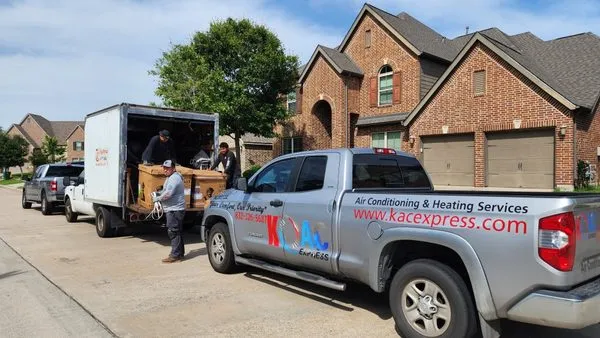
KAC Express is your local, licensed HVAC company based in Spring, Texas, serving residential and commercial properties throughout the greater Houston area. We specialize in comprehensive heating and c...
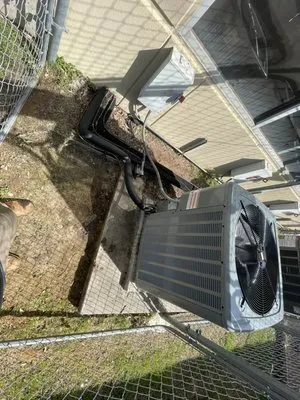
Platinum Air Solutions is a Spring, TX-based HVAC company founded by owner Jonathan, who brings over 15 years of industry experience. Jonathan started the business to bridge the gap between HVAC contr...
Montesino Services is a family-owned and operated home service company serving Spring, TX, with over 17 years of industry experience. For four years, we have built our reputation by helping hundreds o...
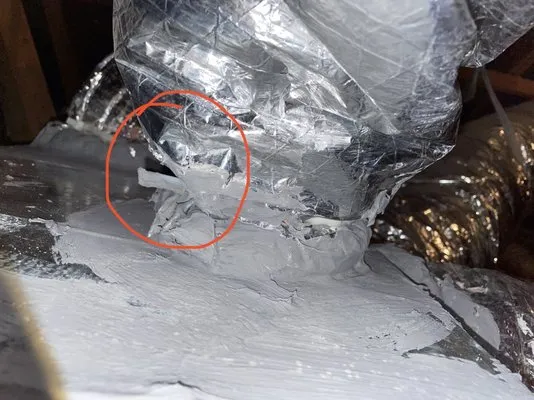
Majestic Air Conditioning is a family-operated HVAC company serving Spring, TX and the Houston metro area since 2001. With over three generations of experience, we specialize in residential air condit...
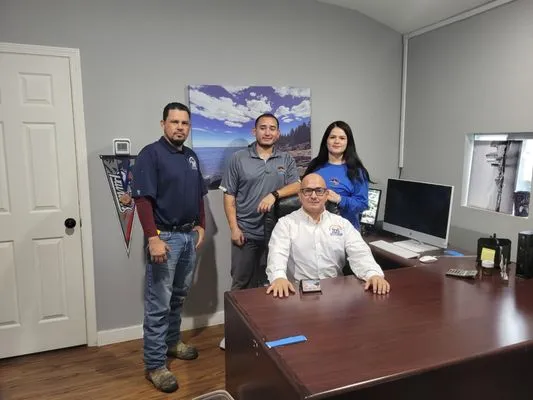
JD'S AC & Heating has been a trusted, family-owned HVAC provider serving Spring, TX, and the Greater Houston Area for over a decade. We specialize in creating comfortable indoor environments for homes...

Air of Houston
Since 1995, Air of Houston has been the trusted, family-owned HVAC provider for Spring homeowners and businesses. Owner David Bunch is still personally involved in every project, ensuring the job is d...
ACTexas (ACT Air Conditioning Texas, LLC) has been providing reliable heating and air conditioning services to the Spring, TX community since 2002. As a licensed HVAC provider serving northern Houston...
Expo Heating & Cooling is a family-owned, Spring-based HVAC company founded by Jubran, a mechanical engineer specializing in refrigeration and air conditioning. With over 20 years of community-focused...
Spring Woodlands Air Technicians
Spring Woodlands Air Technicians is a locally owned and operated HVAC contractor serving Spring and North Houston since 2010. With over 28 years of combined industry experience, the team specializes i...

Milton Frank Plumbing & Cooling
For over 40 years, Milton Frank Plumbing & Cooling has been a family-owned fixture in Spring, TX, built on a foundation of trusted value. Founded in 1984 and led by Master Plumber Milton Frank, who ho...
FAQs
Why does my AC struggle when temperatures exceed 94 degrees?
HVAC systems in Spring are designed for a 94°F outdoor temperature, which represents the 1% design condition for our climate. When actual temperatures reach 100°F or higher, the system operates continuously but cannot maintain the usual 20°F temperature drop (delta T). The newer R-454B refrigerant maintains better performance in these extreme conditions compared to older R-410A, but all systems have capacity limits. Proper sizing through a Manual J load calculation ensures your equipment matches your home's specific heat gain characteristics.
Can my existing ductwork handle better air filters for Spring's pollen and ozone?
Flexible R-6 insulated ducts in typical Spring homes may struggle with MERV-13 filters without modifications. These filters create higher static pressure that can reduce airflow and strain blower motors. For March pollen peaks and ozone risk days, consider a two-stage approach: use MERV-8 filters regularly and add a portable HEPA unit during high-pollution periods. A technician can measure your system's static pressure to determine if duct modifications are needed before upgrading filtration.
What permits and safety standards apply to new AC installations in 2026?
All HVAC installations in Harris County require permits from the Engineering Department Permits Division. For systems using R-454B or other A2L refrigerants, 2026 standards mandate leak detection systems and equipment room requirements due to the refrigerant's mild flammability. Technicians must hold EPA Section 608 certification with specific A2L endorsements. These regulations ensure safe handling of new refrigerants while maintaining system efficiency. Proper documentation of refrigerant charge and safety systems is required for final inspection approval.
Why do so many Spring AC systems fail around the 40-year mark?
The average home in Spring was built around 1985, making original HVAC equipment approximately 41 years old in 2026. This age aligns with the typical failure window for evaporator coils due to formicary corrosion. The humid climate accelerates this process as organic acids from indoor air react with copper tubing, creating microscopic pits that eventually cause refrigerant leaks. Systems in Old Town Spring often show this failure pattern, requiring coil replacement or full system upgrades to meet current efficiency standards.
What should I do if my AC stops working during a Spring heatwave?
First, check your thermostat settings and circuit breakers. If the system remains off, contact a technician who serves the Spring Creek Greenway area. A qualified provider can typically dispatch from I-45 within 15-25 minutes for emergency no-cool calls. During the response window, close blinds to reduce solar heat gain and use fans to circulate air. This quick response time helps prevent indoor temperatures from rising dangerously in Spring's 94°F design conditions.
Should I consider switching from gas heat to a heat pump in Spring?
Heat pumps offer an efficient alternative for Spring's mild winters, where temperatures rarely drop below freezing. During utility peak hours from 1-7 PM, a heat pump's coefficient of performance typically exceeds gas furnace efficiency. The Inflation Reduction Act rebates apply to qualified heat pump installations, making the transition more economical. For existing gas systems, a hybrid approach using a heat pump for moderate temperatures and gas for extreme cold provides optimal efficiency and reliability.
What does an Ecobee E1 error code indicate for my Spring HVAC system?
An Ecobee E1 alert signals that your thermostat has lost communication with the HVAC equipment. In Spring homes, this often indicates power issues at the air handler or control board failures. The humid environment can corrode electrical connections over time. First, check the circuit breaker and ensure the indoor unit has power. If the error persists, a technician should inspect control wiring and board components. This specific smart alert helps prevent compressor damage by identifying communication failures before they cause refrigerant pressure problems.
How do the 2026 SEER2 standards affect my upgrade costs?
Federal minimum efficiency increased to 14.3 SEER2 in 2023, requiring all new installations to meet this threshold. While higher-SEER2 equipment carries a premium, the Inflation Reduction Act provides rebates up to $8,000 for qualifying installations. With Spring's electricity rate at 14 cents per kWh, a 16 SEER2 system typically recovers its additional cost through lower operating expenses within 3-5 years. The combination of utility savings and federal incentives makes 2026 an advantageous time for efficiency upgrades.
