
Top Emergency HVAC Services in Cedar City, UT, 84720 | Compare & Call

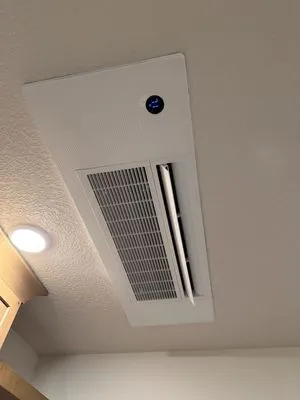
Tempwise Heating & Cooling is a locally owned and operated HVAC company serving Cedar City and Southern Utah. As a licensed and insured provider, we specialize in the installation, maintenance, and re...
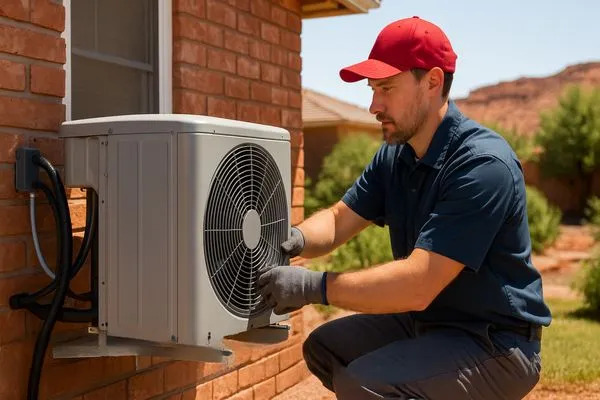
Swift Heating & A/C
Swift Heating & A/C is a locally owned HVAC company serving Cedar City and Southern Utah with reliable heating, cooling, and air duct services. We specialize in solutions tailored to our region's clim...
Heating and Cooling Services in Cedar City, UT, is your trusted local HVAC specialist dedicated to keeping your home comfortable year-round. We understand that Cedar City homeowners frequently face sp...

Davis Heating & A/C Service
Davis Heating & A/C Service is a cornerstone of the Cedar City community, built on over 40 years of dedicated service by owner Frank Davis. This locally owned and operated company prioritizes your hom...
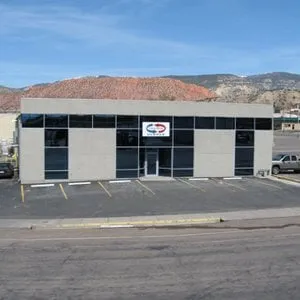
Cooling Heating Supply is a trusted local HVAC provider in Cedar City, UT, specializing in heating and air conditioning solutions. We understand the unique challenges Cedar City residents face, partic...
Cedar Valley Heating & AC
Cedar Valley Heating & AC is your trusted, local HVAC expert in Cedar City, UT. We understand the specific challenges homeowners face in our climate, including common issues like clogged condensate dr...
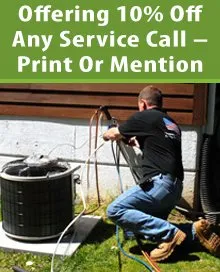
Premiere Heating & Cooling is Cedar City's trusted local HVAC expert, dedicated to solving the specific challenges homeowners face in our high-desert climate. We frequently address two common local is...
Jackson Plumbing and Heating
Jackson Plumbing and Heating is a family-owned cornerstone of Cedar City, established in 1958. Originally founded by Douglas Jackson as Doug's Plumbing and Heating, the company is now owned and manage...

Southern Air Specialists is Cedar City's trusted HVAC company, focused on keeping homes comfortable in the local climate. We understand the common challenges homeowners face here, such as refrigerant ...

Gale's Sheet Metal-Heating & Air Conditioning
Gale's Sheet Metal-Heating & Air Conditioning is a trusted, family-owned HVAC provider serving Cedar City and the surrounding Iron County area. With deep roots in the community, our team understands t...
FAQs
Why does my Cedar City AC struggle during the hottest afternoons?
Cedar City's design temperature of 91°F represents the 1% extreme condition systems are engineered to handle. When temperatures exceed this threshold, even properly sized systems lose capacity. The R-454B refrigerant now standard in 2026 maintains better performance at high temperatures than older refrigerants, with approximately 5% more capacity at 95°F. Proper sizing through Manual J calculations prevents chronic underperformance during Cedar City's hottest weeks.
Should Cedar City homeowners switch from gas heat to heat pumps?
Cedar City's winter lows around 15°F and Rocky Mountain Power's 14:00-20:00 peak hours create ideal conditions for dual-fuel systems. Modern cold-climate heat pumps maintain efficiency down to -13°F, while gas backup handles extreme cold. The 11-cent off-peak electricity rate makes heat pumps cost-effective for shoulder seasons, with automatic switching to gas during peak hours or extreme cold. This hybrid approach optimizes both comfort and operating costs.
What if my Downtown Cedar City AC stops working during a heatwave?
For emergency no-cool situations near Southern Utah University, technicians can typically reach Downtown locations within 5-10 minutes via I-15. We prioritize these calls because Cedar City's arid climate creates immediate indoor temperature spikes when systems fail. Quick response prevents secondary damage to electronics and preserves indoor air quality during wildfire smoke events. Most emergency repairs involve capacitor replacement or refrigerant circuit diagnostics.
How old is my Cedar City HVAC system likely to be?
Most Cedar City homes built around 1995 have original HVAC equipment now 31 years old. Systems this vintage typically used R-22 refrigerant, which has been phased out since 2020. The evaporator coil scaling you see in Cedar City homes results from three decades of hard water mineral deposits accumulating on aluminum fins. This calcium buildup reduces heat transfer efficiency by up to 30% and creates micro-leaks that eventually require coil replacement.
Can my older ductwork handle better air filters for Cedar City's air quality issues?
Galvanized sheet metal with fiberglass duct board, common in 1990s Cedar City homes, typically handles MERV-13 filters if the system has adequate blower capacity. Cedar City's May pollen peak and wildfire PM2.5 risk make high-efficiency filtration valuable, but static pressure must be measured. We recommend professional static pressure testing before upgrading filters, as excessive pressure drop reduces airflow and can cause evaporator coil freezing in arid climates.
Do new efficiency standards make sense for Cedar City utility rates?
The 2026 SEER2 minimum of 13.4 represents a 15% efficiency improvement over previous standards. At Cedar City's 11-cent per kWh rate, upgrading from a 10 SEER to 16 SEER2 system saves approximately $350 annually on cooling costs. The Inflation Reduction Act's $8,000 rebate cap makes high-efficiency systems cost-competitive, with payback periods under 5 years when combined with Rocky Mountain Power's $400 Wattsmart rebate.
What does an Ecobee E1 alert mean for my Cedar City HVAC system?
An Ecobee E1 alert indicates the thermostat isn't detecting equipment operation despite a call for heating or cooling. In Cedar City's arid environment, this often signals evaporator coil scaling has progressed to complete airflow blockage. The calcium deposits from hard water insulate the coil, preventing heat exchange and triggering high-pressure cutouts. Immediate professional cleaning or coil replacement is recommended, as continued operation in this state can compressors.
What permits and standards apply to new HVAC installations in Cedar City?
The Cedar City Building & Zoning Division requires permits for all HVAC replacements, with inspections verifying proper refrigerant charge and airflow. 2026 installations using R-454B refrigerant must comply with ASHRAE 15-2022 safety standards for A2L mildly flammable refrigerants, including leak detection systems and proper ventilation. Technicians need EPA Section 608 certification with specific A2L endorsement. These requirements ensure safe operation despite the refrigerant's lower flammability classification.
