
Top Emergency HVAC Services in Kaysville, UT, 84037 | Compare & Call

Clarkson HVAC Service & Repair has been a trusted name in Kaysville and across the Wasatch Front for over four decades. Founded on principles of reliability and expert craftsmanship, this family-opera...
Superior Water and Air
For over 65 years, Superior Water and Air has been a trusted name for Kaysville families, founded by Jake Lambourne in 1956 and still family-operated. Based in West Valley City with a team of over 120...
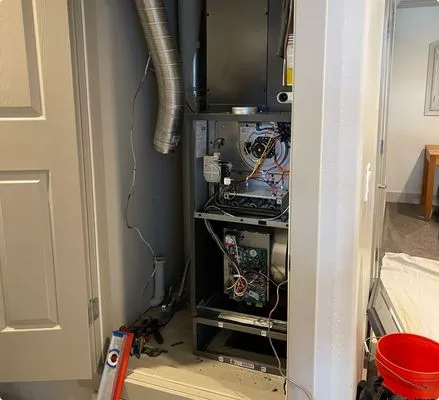
CMB HVAC is your trusted local heating and air conditioning specialist in Kaysville, UT. Our friendly and highly trained technicians are equipped with industry-grade tools to provide accurate diagnost...
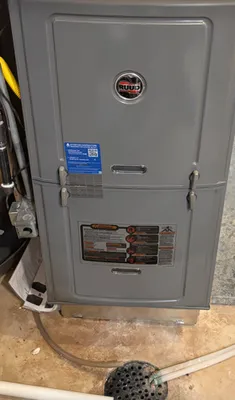
For over 15 years, JTG Plumbing, Heating, and Air has been the trusted local choice for homeowners in Kaysville and throughout Davis County. As a family-owned business, we understand the specific dema...
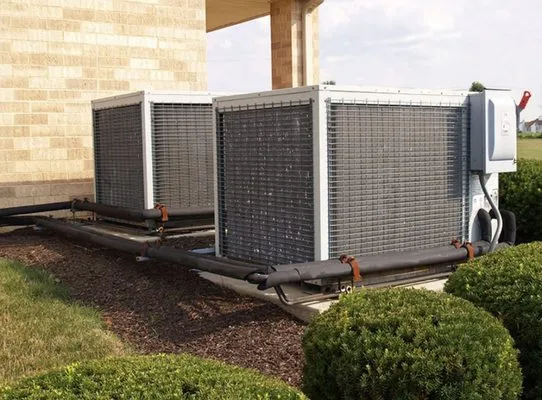
A1QUICK Heating & Air Conditioning
A1QUICK Heating & Air Conditioning is a trusted Kaysville HVAC contractor dedicated to helping Davis County residents manage their home comfort and energy costs. Facing rising utility bills, we provid...
YES Air Conditioning Heating Plumbing and Electric
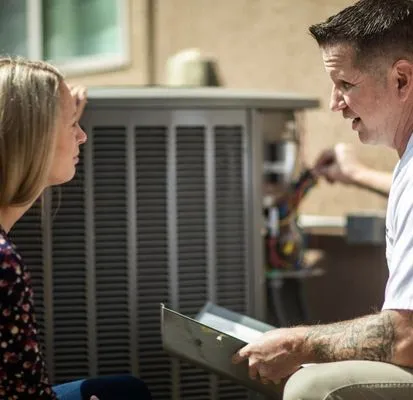
YES Air Conditioning Heating Plumbing and Electric is a Kaysville-based, family-owned company with over 45 years of trusted service across Utah and Nevada. We operate a fleet of 50 service trucks and ...

H & M Heating and Air Conditioning is a trusted HVAC service provider serving Kaysville and surrounding communities. We specialize in diagnosing and repairing the common local HVAC issues that can dis...
Northridge Plumbing & Heating
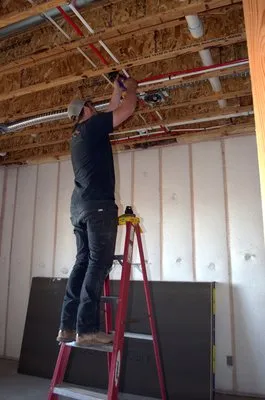
Northridge Plumbing & Heating is your local, family-owned expert in Kaysville, Utah, serving the community with reliable plumbing and remodeling services. Our team, led by owner and licensed head plum...
Hill & Mehr Heating & Air Conditioning
Hill & Mehr Heating & Air Conditioning has been a trusted name in Kaysville, providing reliable HVAC solutions to homes and businesses for years. Our approach is built on clear communication, honest a...
Total Home Services Of Utah
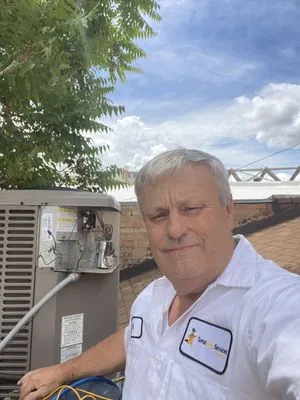
Total Home Services Of Utah is a Kaysville-based home services provider specializing in heating, air conditioning, and plumbing solutions. We offer comprehensive installation, maintenance, and repair ...
FAQs
Should I consider switching from gas heat to a heat pump in Kaysville given our winter temperatures?
Modern cold-climate heat pumps maintain heating capacity down to -5°F, making them viable for Kaysville's winter lows around 20°F. The economic analysis favors heat pumps when considering Rocky Mountain Power's 14:00-20:00 peak rates and the $8,000 IRA rebate. During peak hours, a heat pump's coefficient of performance (COP) of 3.0 delivers three units of heat per unit of electricity, compared to gas furnace efficiency of 0.95-0.98. Supplemental electric resistance heat may activate during extreme cold snaps, but the annual heating cost typically decreases by 30-40% with proper system design.
How does Kaysville's summer heat affect modern R-454B refrigerant systems?
Kaysville's design temperature of 94°F represents the 1% extreme condition systems must handle, though actual summer highs occasionally reach 100°F. R-454B refrigerant operates efficiently up to 115°F ambient temperatures with proper system sizing. The mild flammability (A2L classification) requires specific installation protocols but offers better heat transfer than older R-410A in high-temperature conditions. Properly sized systems maintain target delta T (temperature difference between return and supply air) of 18-22°F even during peak afternoon hours when solar gain maximizes cooling load.
What permits and safety standards apply to R-454B refrigerant installations in Kaysville?
All R-454B installations require a mechanical permit from the Kaysville City Building Department, with inspections verifying A2L refrigerant safety protocols. The 2026 International Mechanical Code mandates leak detection systems, emergency ventilation, and refrigerant charge limits for mildly flammable A2L refrigerants. Technicians must hold EPA Section 608 certification with specific A2L endorsement, and systems require permanent labels indicating refrigerant type and charge size. These standards address R-454B's lower flammability while maintaining the efficiency benefits needed for Utah's climate, with documentation submitted to the permit office before final inspection approval.
How do the 2026 SEER2 requirements affect my utility bills compared to older systems?
The 2026 federal minimum SEER2 requirement of 13.8 represents about a 15% efficiency improvement over pre-2023 systems common in Kaysville. At Rocky Mountain Power's current $0.11/kWh rate, upgrading from a 10 SEER system to a 16 SEER2 unit saves approximately $300 annually on cooling costs for a typical 3-ton system. The Inflation Reduction Act's HEEHRA rebates provide up to $8,000 for qualified heat pump installations, making the payback period under five years when combined with Wattsmart utility rebates of $200-$1,200.
What should I do if my air conditioning stops working during a Kaysville City Center heatwave?
First, check your thermostat settings and circuit breakers, then contact a technician immediately. From Kaysville City Hall, our service vehicles can access I-15 within minutes, reaching most City Center locations in 5-10 minutes during normal traffic. We prioritize no-cool emergencies in summer months, carrying diagnostic tools and common replacement parts for quick resolution. This rapid response prevents secondary damage from refrigerant migration or compressor overheating in Utah's dry heat.
Can my existing ductwork handle high-efficiency air filters for Kaysville's winter inversion pollution?
Galvanized sheet metal ductwork with external duct board insulation typically has adequate structural integrity for MERV-13 filters, but static pressure must be measured. Kaysville's winter particulate matter inversions and May pollen peaks justify upgraded filtration, yet many older systems operate near maximum static pressure limits. A technician should perform a pressure drop test across the filter rack; exceeding 0.08 inches of water column indicates the need for duct modifications or an ECM blower motor upgrade to maintain proper airflow while capturing PM2.5 particles.
Why do older HVAC systems in Kaysville develop evaporator coil icing problems?
The average Kaysville home was built around 1994, making many HVAC systems approximately 32 years old. Galvanized sheet metal ductwork from that era often develops minor leaks that introduce dry, arid air into the system. When combined with Kaysville's high diurnal temperature swings—where daytime heat contrasts sharply with cool nights—this creates conditions where refrigerant pressures fluctuate dramatically. Older systems with worn metering devices struggle to maintain proper superheat, causing evaporator coils to drop below freezing and accumulate ice during rapid temperature transitions.
What does an Ecobee E1 'No Power' alert indicate for my Kaysville HVAC system?
An Ecobee E1 alert specifically means the thermostat has lost 24VAC power from your HVAC equipment. In Kaysville homes, this often results from a tripped float switch due to clogged condensate drains—common in our arid climate where minimal natural drainage allows algae buildup. Alternatively, it could indicate a failed transformer, blown low-voltage fuse, or safety switch activation. The diagnostic approach starts at the air handler near the evaporator coil, checking condensate removal before examining electrical components, as this addresses the most frequent local cause before exploring less common failures.
