
Top Emergency HVAC Services in Springville, UT, 84601 | Compare & Call

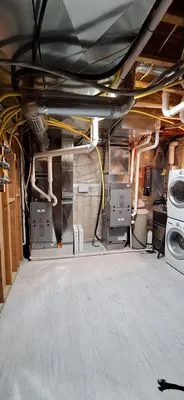
Raven Ridge HVAC Service is a licensed, owner-operated heating and air conditioning company serving Springville, UT, and Utah County. With over 8 years of experience, we specialize in furnace and AC r...
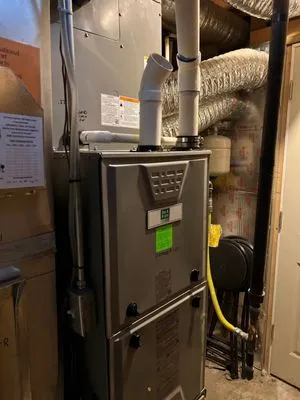
The Heating and Cooling Guys
Mike Sr. began his career in heating and air conditioning back in 1979, laying the groundwork for the family-owned business he founded in 1999, The Heating and Cooling Guys. Based in Springville and s...

Barwick Heating & Cooling
Barwick Heating & Cooling is a family-owned HVAC contractor that has been serving Springville and Utah County since 2003. Owned and operated by Brian Barwick, the company is built on a foundation of r...
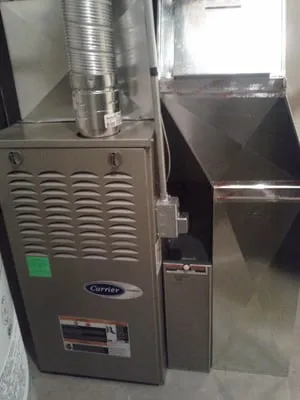
Air Force Heating & Air Conditioning is your trusted local HVAC expert serving Springville, UT, and the surrounding areas. We specialize in comprehensive heating and cooling solutions to keep your hom...
Brent Harvey's journey in HVAC is a true family tradition, rooted in Springville. His hands-on education began over 40 years ago, as a boy helping his father on service calls. He continued this legacy...
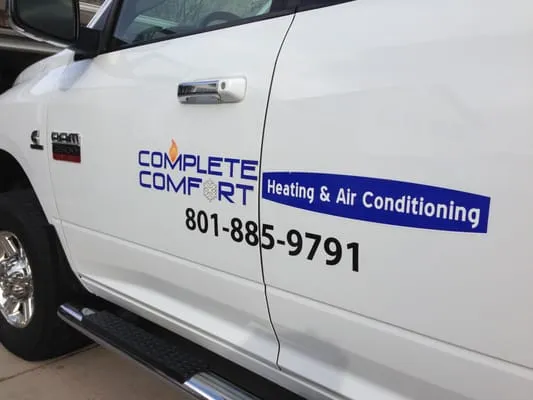
Complete Comfort Heating & Air Conditioning, founded in 2006, has been serving Springville, UT, and the surrounding areas with a dedication to premium indoor air comfort. With over 27 years of combine...
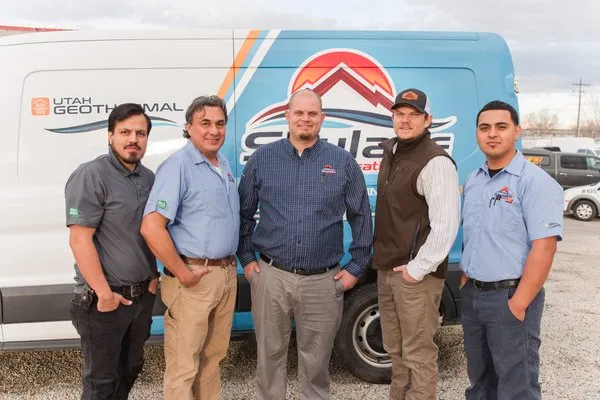
Skylake Heating & Air | Utah Geothermal
Founded in 2002, Skylake Heating & Air started by focusing on residential HVAC installations, working closely with builders to serve new homeowners across the Wasatch Front. Over the years, we grew ou...
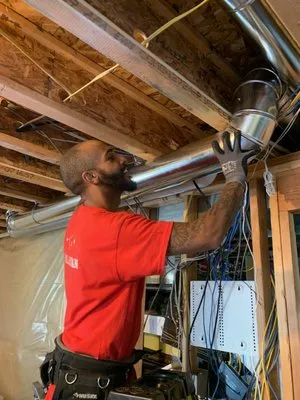
Guardian Heating and Air is a family-owned and operated HVAC contractor proudly serving Springville and the surrounding Utah communities. Founded on a commitment to honesty, integrity, and hard work, ...

Wright Air Experts is a trusted, locally-owned HVAC and air duct cleaning company serving Springville, Utah. With over 25 years of hands-on experience, our team is built on a foundation of professiona...
UMC is a trusted plumbing and HVAC contractor serving Springville, UT, and the broader region since 1972. With decades of experience, we specialize in both residential and commercial projects, includi...
Questions and Answers
Why does my old air conditioner seem to struggle more now?
An average Springville home built in 1993 likely has an original HVAC unit that is now 33 years old. Systems of this vintage are well beyond their typical 15-20 year service life. In our arid climate, the primary failure point is scale buildup on the evaporator coil due to mineral deposits from decades of water evaporation. This insulating layer severely reduces the coil's ability to absorb heat, forcing the compressor to run longer and less effectively.
What are the requirements for installing a new air conditioner in Springville now?
All installations require a permit from the Springville City Building Department. As of 2026, systems using A2L refrigerants like R-454B must comply with updated safety standards, including leak detectors and specific room size requirements for the outdoor unit. These codes address the refrigerant's mild flammability. Proper permitting ensures the installation meets these safety protocols and qualifies for the associated utility and federal rebates.
What should I do if my air conditioner stops working on a hot day in Downtown Springville?
First, check your thermostat settings and the circuit breaker. If those are correct, a technician can typically reach a Downtown Springville home from the Springville Museum of Art area in 8-12 minutes via I-15. Common immediate causes in older systems are a failed capacitor or a tripped high-pressure switch from the afternoon heat. Prompt diagnosis prevents secondary damage to the compressor.
Can my home's ventilation handle better air filters for wildfire smoke and spring pollen?
Upgrading filtration is critical for May pollen peaks and seasonal wildfire PM2.5. Your existing galvanized sheet metal ductwork is typically robust enough to support a MERV-13 filter, which captures these fine particles. However, installing one in an older system requires a static pressure check. An oversized filter or a restrictive housing can choke airflow, reducing cooling capacity and straining the blower motor.
My Ecobee thermostat is showing an E13 alert. What does that mean?
An Ecobee E13 code indicates the thermostat has lost communication with your HVAC equipment. In Springville, this often points to a failed control board or a blown low-voltage fuse on the air handler, frequently caused by a short in the wiring from the attic heat. It is a diagnostic signal, not a thermostat failure. A technician will trace the 24-volt circuit from the indoor unit to identify the break or faulty component.
Is it worth replacing my old unit just to meet the new efficiency standards?
The current 13.4 SEER2 minimum is a baseline. Modern systems often achieve 16-18 SEER2, which directly lowers your energy consumption at Springville's rate of 11 cents per kWh. The active federal Inflation Reduction Act rebates, with an $8000 cap, significantly offset the upgrade cost. This combination of lower operating costs and upfront incentives makes replacement of a pre-2006 unit a sound investment.
Should I consider switching from my gas furnace to a heat pump?
For Springville, a cold-climate heat pump is a viable primary heat source, complementing gas during our winter lows. The technology efficiently extracts heat from outdoor air even in freezing temperatures. To maximize savings, program the system to use stored thermal mass during Rocky Mountain Power's peak rate hours from 2 PM to 8 PM. The federal rebates make this electrification transition more economical than in previous years.
How is my air conditioner designed to handle our hottest summer days?
Your system's capacity is rated at a 94°F outdoor design temperature, which is lower than our occasional summer highs. During those peak days, the unit must work harder, reducing its cooling output and efficiency. The new standard R-454B refrigerant has a slightly lower operating pressure than older types, which can help maintain stable performance and compressor longevity under these high-load conditions common in our region.
