
Top Emergency HVAC Services in Castlewood, VA, 24224 | Compare & Call

There are 11 hvac companies server in Castlewood VA
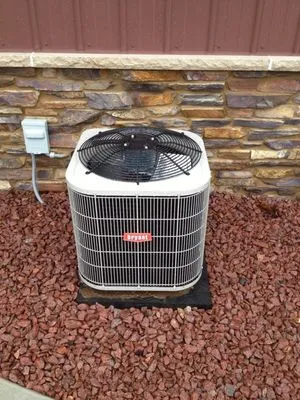
Comfort Heating & Air is a local HVAC service provider dedicated to maintaining home comfort for residents in Appalachia, Big Stone Gap, Norton, and Wise, Virginia. We specialize in the installation, ...
B & S Mechanical
B & S Mechanical is a trusted, licensed HVAC service provider based in Richlands, VA, with over 20 years of experience serving residential and commercial clients across multiple counties. Specializing...
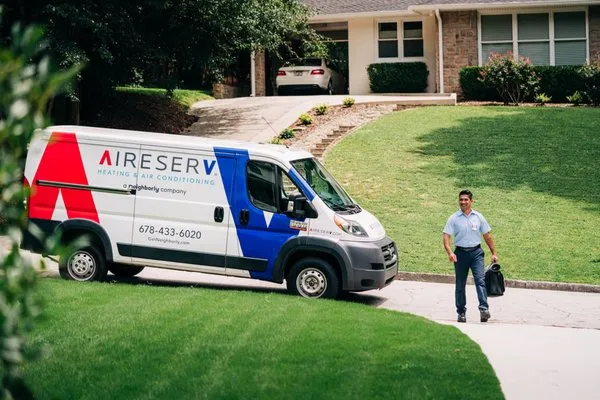
Aire Serv of Abingdon is your locally owned and operated heating and air conditioning expert in Wise, Virginia. As a member of the globally recognized Aire Serv franchise, established in 1992, we comb...
SWVA Mechanical
SWVA Mechanical is a locally owned and operated HVAC and generator service provider proudly serving Lebanon and the greater Southwest Virginia area. As a licensed, insured, and NATE/EPA-certified team...
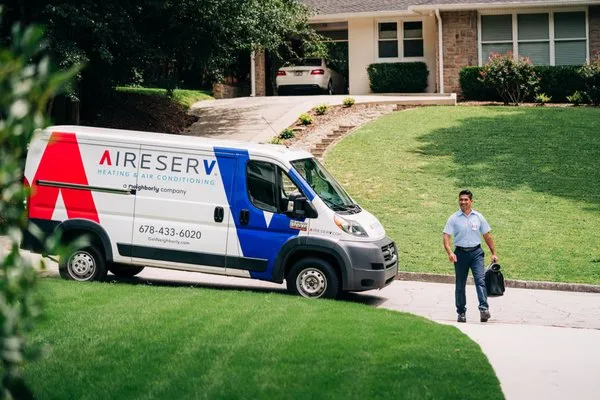
Aire Serv of Wise County
Aire Serv of Wise County has been a trusted local HVAC provider in Wise, VA since 1992, offering reliable heating, air conditioning, and indoor air quality services. As part of a global franchise, we ...
Dale's Heating & Air is a trusted HVAC service provider in Saint Paul, VA, specializing in heating and air conditioning solutions. We help local residents and businesses maintain comfortable indoor en...
Perfect Air is your trusted, local HVAC expert in St Paul, VA, dedicated to solving the heating and cooling challenges specific to our community. We understand that homeowners here frequently face fru...

Southern Breeze Heating and Cooling
Southern Breeze Heating and Cooling has been a trusted name in Lebanon and Southwest Virginia for 30 years. We are a team of local professionals who take immense pride in helping our neighbors and com...

Heat Pump Dr in Marion, VA, is a trusted local HVAC and water heater service provider founded by Scott Schumaker, who brings decades of experience from his previous company, Schu Air Inc., in Florida....
For over a decade, Better Air Heating & Cooling has been the trusted local HVAC provider for residents and businesses in Appalachia, VA. Founded in June 2012 by owner Willard Hatfield, the company was...
Estimated HVAC Service Costs in Castlewood, VA
Frequently Asked Questions
My system is making noises. Is this normal for a Castlewood home's original HVAC?
Systems from the 1970s, common here, are now 55+ years old. Age degrades components like contactors and fan motors, which begin to hum or rattle. This era also used fiberboard ductwork, which can sag and restrict airflow over decades. The moderately humid climate accelerates wear, making parts like the blower wheel more prone to imbalance and noise as corrosion sets in.
With electric heat, should I consider a heat pump for Castlewood's winters?
Yes, a modern cold-climate heat pump is an efficient replacement. While our winter lows can dip into the teens, these units provide efficient heat down to about 5°F. Since you already use electric resistance heat, the heat pump will use about 60% less electricity for the same warmth. To maximize savings, program the thermostat to avoid supplemental heat use during Appalachian Power's peak rate hours from 2 PM to 8 PM.
My Ecobee thermostat is showing an 'E1' alert. What does that mean here?
An Ecobee E1 code indicates a loss of communication with the HVAC equipment. In our humid climate, this is frequently caused by a safety float switch in the drain pan being triggered due to a clogged condensate line. The algae growth that causes these clogs is accelerated by Castlewood's moderate humidity. Check the PVC drain line at the indoor unit for blockage; clearing it often resolves the E1 alert and restores normal operation.
Our AC quit on a hot afternoon in Castlewood Central. How fast can a technician get here?
We dispatch from near the Russell County Fairgrounds. Using US-58 Alt, our vans reach most Castlewood Central homes within 5 to 10 minutes for emergency no-cool calls. This quick response is critical to prevent indoor humidity from spiking, which can quickly overwhelm older dehumidification systems and lead to secondary issues like mold growth on cool surfaces.
Why does my AC struggle when it hits the mid-90s, even though it's rated for 88°?
HVAC systems are sized for the 88°F design temperature, which is the local summer temperature exceeded only 1% of the time. When temperatures in Castlewood reach the mid-90s, the system operates continuously, and its capacity drops. The newer R-454B refrigerant in modern units maintains better pressure and cooling capacity in these extreme conditions compared to older R-410A, but no system can overcome a significant load beyond its design specification.
What does the new 14.3 SEER2 minimum mean for my electric bill?
The 2026 SEER2 standard reflects a more realistic measure of efficiency under actual static pressure. For Castlewood, upgrading from a pre-2023 unit to a 16+ SEER2 heat pump can reduce cooling electrical draw by about 15%. At the local rate of $0.13/kWh, this saves roughly $180 annually on cooling for a typical 3-ton system. The federal HEEHRA rebate of up to $8,000 directly offsets this higher-efficiency equipment's upfront cost.
Can my home's ducts handle a better filter for the May pollen and PM2.5?
Your existing fiberboard ducts present a challenge. They have a rough interior that increases static pressure. Installing a standard 1-inch MERV-13 filter often causes excessive airflow restriction in such systems, leading to frozen coils and reduced efficiency. A professional should perform a static pressure test first. The solution may involve installing a 4-inch media cabinet, which provides superior filtration for particulates and pollen with much lower air resistance.
What should I know about permits and safety for a new R-454B system?
All HVAC replacements in Russell County require a permit from the Russell County Building Department. For systems using the A2L refrigerant R-454B, which is mildly flammable, 2026 codes mandate specific safety measures. These include updated leak detectors, service access valves, and permanent equipment markings. Your contractor must certify the installation meets these standards, and the county inspector will verify compliance before final approval, ensuring long-term safety.
