
Top Emergency HVAC Services in Chesapeake, VA, 23320 | Compare & Call

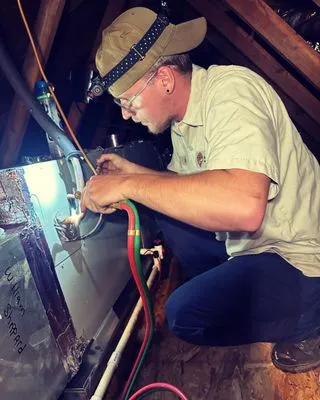
Pride Mechanical Heating & Cooling
Founded in 2008 by Stephen and Nancy Keeter, Pride Mechanical Heating & Cooling is a family-owned Chesapeake business built on decades of real-world experience. Stephen, a Master HVAC license holder w...
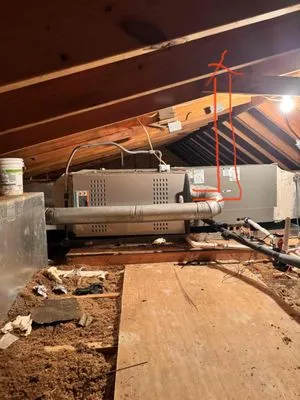
Russell's American Mechanical
Russell's American Mechanical is a trusted, family-owned HVAC and plumbing company serving Chesapeake, VA, and the broader Hampton Roads area. Founded by Russell and Audrey Smith and now led by their ...
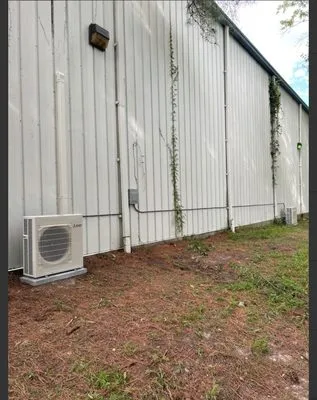
Chesapeake Heating & Air Conditioning
Chesapeake Heating & Air Conditioning is a family-owned and owner-operated HVAC company that has been proudly serving Hampton Roads since 2010. Based right here in Chesapeake, we provide reliable heat...
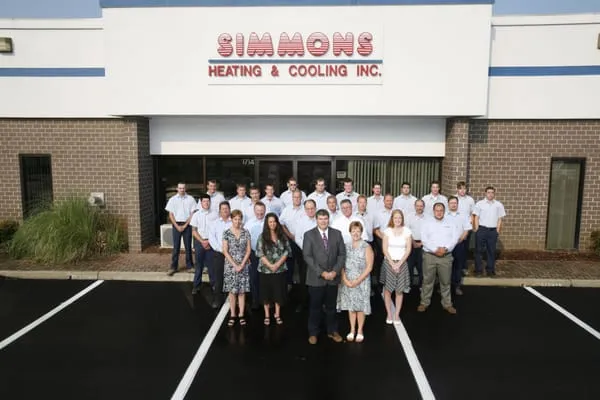
Simmons Heating & Cooling
Simmons Heating & Cooling is a family-owned and operated Chesapeake institution, deeply rooted in the community since 1964. The company's story began with Ronald "Moose" Simmons and was carried forwar...
Michael & Son Services Chesapeake
Michael & Son Services Chesapeake is a family-owned home services company serving Chesapeake, VA, and surrounding areas since 1976. Founded by Mousa 'Mike' Mansour with a single truck and toolbox, the...
RS Andrews of Tidewater
RS Andrews of Tidewater is a locally owned and operated HVAC, plumbing, and water heater service company serving Chesapeake and the greater Tidewater area. With over six decades of experience, our tea...
At A 1 A/C Heating Services, we bring over two decades of dedicated HVAC experience to every home in Chesapeake. Founded as a family-owned business in 2010, our team has been expertly serving the comm...
K & B Heating and AC is a locally owned and operated HVAC company serving Chesapeake and the greater Hampton Roads area. Founded by Brian, a Chesapeake native with over twenty years of HVAC experience...
Miller's Heating & Air Conditioning
For over 40 years, Miller's Heating & Air Conditioning has been the trusted local choice for Chesapeake homeowners. As a family-owned business serving the Peninsula and South Hampton Roads, we combine...
Smith & Keene Electric Service
Smith & Keene Electric Service has been a trusted, family-owned partner for the homes and businesses of Chesapeake and the wider Hampton Roads area since 1947. For over 75 years, we've provided reliab...
Common Questions
Should I consider switching from gas heat to a heat pump in Chesapeake?
Chesapeake's winter lows around 30°F make modern cold-climate heat pumps viable alternatives to gas systems. During Dominion Energy's 12:00-20:00 peak hours, heat pumps operate at higher efficiency than resistance heating. The HEEHRA rebate covers dual-fuel systems that combine heat pumps with existing gas furnaces for optimal efficiency. A Manual J load calculation determines the appropriate balance point where supplemental heat becomes necessary.
What permits and safety standards apply to new HVAC installations in 2026?
The Chesapeake Development and Permits Department requires permits for all refrigerant-containing equipment replacements. Since January 2023, A2L refrigerant standards mandate leak detection systems, service valve caps, and equipment room requirements for R-454B installations. These 2026 codes address the mild flammability of A2L refrigerants while maintaining efficiency gains. Proper documentation of charge amounts and safety systems must accompany permit applications for inspection.
What does an Ecobee E1 alert mean for my Chesapeake HVAC system?
An Ecobee E1 error indicates the thermostat isn't detecting proper equipment operation, often signaling communication loss between components. In Chesapeake's humid climate, this frequently correlates with safety lockouts from high-pressure conditions or refrigerant issues. The alert triggers before complete system failure, allowing preventive maintenance. Technicians verify refrigerant charge, check for coastal salt-air induced coil corrosion, and ensure proper airflow to resolve underlying causes.
Why do Chesapeake HVAC systems seem to fail more often than in other areas?
The average Chesapeake home was built around 1989, making many HVAC units approximately 37 years old in 2026. This age coincides with the typical lifespan of residential equipment. Coastal salt-air induced coil corrosion accelerates failure in this region, as salt particles carried inland from the Chesapeake Bay degrade aluminum coils faster than in inland areas. Older systems lack corrosion-resistant coatings found in modern units, making them particularly vulnerable to this environmental stress.
How do the 2026 efficiency standards affect my utility bills?
Federal SEER2 requirements now mandate minimum 14.3 SEER2 ratings for new installations. At Chesapeake's 0.14/kWh rate, upgrading from a 10 SEER system to a 16 SEER2 unit typically saves $300-400 annually. The Inflation Reduction Act's HEEHRA rebate provides up to $8,000 for qualifying installations, making high-efficiency systems cost-effective. Dominion Energy adds $300-$600 through their Heating and Cooling Program for further savings.
Can my home's ductwork handle better air filtration for pollen and ozone?
Chesapeake's April pollen peak and ozone risk create dual filtration challenges. Flexible ducting with fiberglass insulation presents static pressure concerns with MERV-13 filters, which can reduce airflow by 20-30%. A static pressure test determines if your system can accommodate higher filtration without compromising performance. For systems with pressure limitations, a 4-5 inch media cabinet with MERV-11 provides optimal balance between particle capture and airflow maintenance.
What happens if my Greenbrier home loses cooling during a heatwave?
A no-cool emergency requires immediate attention to prevent heat stress and humidity buildup. Our technicians dispatch from near Chesapeake City Park, taking I-64 directly to Greenbrier neighborhoods. This routing ensures a 15-20 minute response window during most daylight hours. We prioritize these calls with diagnostic tools pre-loaded to quickly identify common failures like capacitor issues or refrigerant leaks.
How does Chesapeake's summer heat affect air conditioner performance?
Chesapeake's 91°F design temperature represents the peak condition systems are engineered to handle. When temperatures exceed this threshold, capacity drops approximately 1.5% per degree. The standard R-454B refrigerant maintains stable pressure-temperature relationships up to 115°F ambient, though efficiency declines above design conditions. Proper sizing through Manual J calculations ensures adequate capacity without short-cycling during milder conditions.
