
Top Emergency HVAC Services in Clintwood, VA, 24228 | Compare & Call

There are 55 hvac companies server in Clintwood VA
New River Heating and Air
Founded in 1986 by Tom Hannifan, New River Heating & Air has been a trusted fixture in the Radford community for decades. Starting as a local service company, Tom's reputation for dependable and hones...
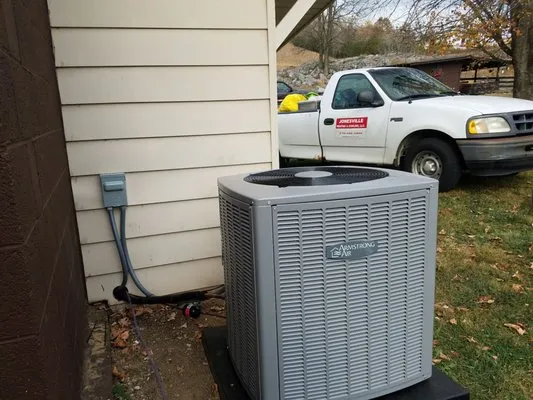
Jonesville Heating & Cooling is your trusted local HVAC expert serving homeowners in Jonesville, VA, and the surrounding area. We specialize in diagnosing and resolving the most common climate control...
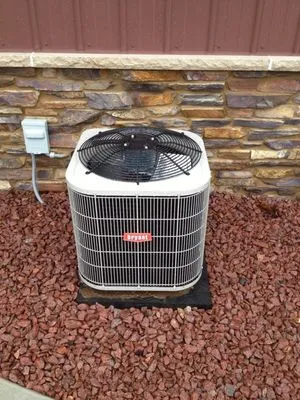
Comfort Heating & Air is a local HVAC service provider dedicated to maintaining home comfort for residents in Appalachia, Big Stone Gap, Norton, and Wise, Virginia. We specialize in the installation, ...
HCE Systems has been a trusted heating, cooling, and electrical contractor serving Norton and the surrounding region since 1992. As a Virginia Class A contractor and Master Kentucky HVAC Contractor, o...
M & S Contractors
M & S Contractors is a trusted, full-service contractor in Big Stone Gap, VA, specializing in electrical, HVAC, and plumbing services. We help local homeowners and businesses maintain safe, efficient,...
Southwest Heating & Air
Southwest Heating & Air is a trusted, local HVAC contractor serving Pennington Gap and the surrounding areas. We understand the specific challenges homeowners face here, from air conditioners struggli...
B & S Mechanical
B & S Mechanical is a trusted, licensed HVAC service provider based in Richlands, VA, with over 20 years of experience serving residential and commercial clients across multiple counties. Specializing...
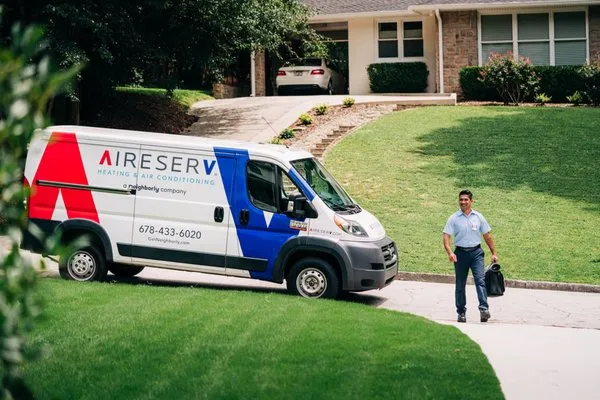
Aire Serv of Abingdon is your locally owned and operated heating and air conditioning expert in Wise, Virginia. As a member of the globally recognized Aire Serv franchise, established in 1992, we comb...
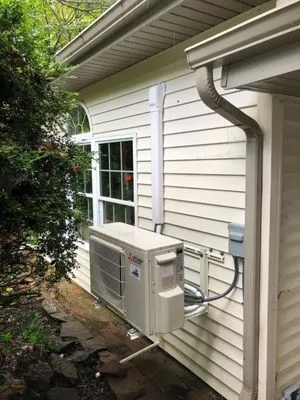
SWVA Mechanical
SWVA Mechanical is a locally owned and operated HVAC and generator service provider proudly serving Lebanon and the greater Southwest Virginia area. As a licensed, insured, and NATE/EPA-certified team...
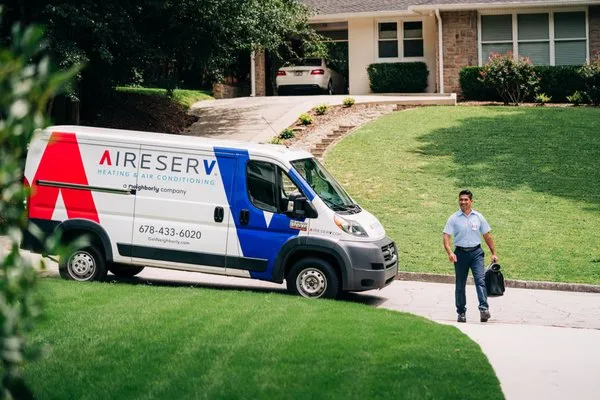
Aire Serv of Wise County
Aire Serv of Wise County has been a trusted local HVAC provider in Wise, VA since 1992, offering reliable heating, air conditioning, and indoor air quality services. As part of a global franchise, we ...
Estimated HVAC Service Costs in Clintwood, VA
Question Answers
Should I consider switching from electric resistance heat to a heat pump in Clintwood?
Heat pumps provide efficient heating down to about 5°F, well below Clintwood's typical winter lows. During Appalachian Power's peak hours (2-7 PM), heat pumps use approximately 50% less electricity than resistance heating. The Inflation Reduction Act rebates make this transition economically attractive, especially when paired with time-of-use rate management. Modern cold-climate heat pumps maintain efficiency even during Virginia's colder nights.
Can my home's existing ductwork support better air filtration for pollen and PM2.5 particles?
Fiberboard and galvanized steel ductwork common in Clintwood homes presents static pressure challenges with high-MERV filters. While MERV-13 filters effectively capture pollen (peak in May) and PM2.5 particulates, they may overwhelm older systems. A static pressure test determines if your ductwork can handle upgraded filtration without reducing airflow. Many homes require duct sealing or modifications before implementing hospital-grade filtration.
Our Downtown Clintwood home lost cooling during peak heat. How quickly can emergency service arrive?
From our location near the Dickenson County Courthouse, we dispatch technicians via VA-83 to reach Downtown Clintwood within 5-10 minutes. For no-cool emergencies, we prioritize systems with refrigerant leaks or compressor failures that require immediate attention. Quick response prevents secondary damage from humidity buildup in your home's interior spaces during Virginia's humid summers.
What permits and safety standards apply to new AC installations in Dickenson County?
The Dickenson County Building Inspections Department requires permits for all HVAC replacements, with specific guidelines for R-454B and other A2L refrigerants. 2026 standards mandate leak detection systems, emergency ventilation, and technician certification for mildly flammable refrigerants. These protocols ensure safe installations in Clintwood's residential areas while complying with federal transition requirements away from high-GWP refrigerants.
What does the 14.3 SEER2 minimum requirement mean for replacing my old AC unit?
The 14.3 SEER2 federal minimum effective January 2023 represents about a 15% efficiency improvement over previous standards. With Clintwood's electricity rates at $0.13/kWh, upgrading from a 10 SEER system saves approximately $300 annually. The Inflation Reduction Act provides up to $8,000 in rebates for qualifying high-efficiency installations, making the payback period surprisingly short for many homeowners.
Why does my AC seem inadequate on our hottest summer days in Clintwood?
Clintwood's design temperature of 87°F represents the outdoor condition your system should maintain 75°F indoors. When temperatures exceed this threshold, systems must work harder with diminishing returns. Modern R-454B refrigerant maintains better performance at high temperatures than older refrigerants, but all systems lose capacity as outdoor temperatures rise. Proper sizing through Manual J calculations prevents chronic undersizing issues.
My Ecobee thermostat shows an E1 error code. What does this mean for my Clintwood home?
The Ecobee E1 alert indicates a refrigerant pressure issue, often from low charge or airflow restrictions. In Clintwood's humid climate, this frequently correlates with condensate drain blockages that affect system pressure. This specific error helps prevent compressor damage by shutting down the system before catastrophic failure occurs. Addressing E1 alerts promptly maintains system longevity and prevents more expensive repairs.
My Clintwood home's AC seems to struggle more each summer. Could its age be the main factor?
Homes in Clintwood average construction around 1975, making many HVAC systems approximately 51 years old. This age exceeds typical equipment lifespans of 15-20 years. Older systems in humid environments like ours develop condensate drain line blockages from mineral buildup and biological growth. The fiberboard and galvanized steel ductwork common in these homes also deteriorates, reducing airflow efficiency and contributing to moisture issues.
