
Top Emergency HVAC Services in Louisa, VA, 23093 | Compare & Call

There are 118 hvac companies server in Louisa VA
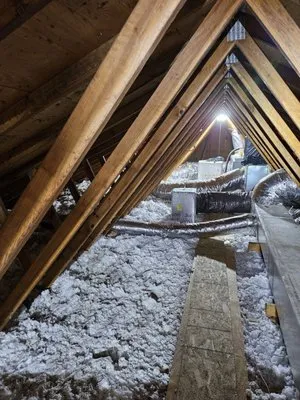
Total Solution in Newport News, VA is a trusted local business with deep roots in the community, founded on family tradition and a genuine commitment to customer satisfaction. The owner began learning...

RE Associates of Virginia
RE Associates of Virginia is a trusted facilities services firm in Chesapeake, specializing in commercial property solutions since 2001. We manage all aspects of your property, from daily maintenance ...
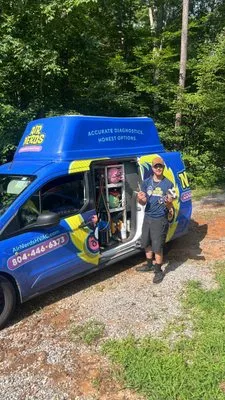
Air Nerds is a family-owned HVAC company serving Louisa, VA, with over 65 years of combined experience across three generations. Founded by James Martin, a third-generation HVAC specialist, the busine...

HVAC Specialists of Virginia
HVAC Specialists of Virginia is a family-owned heating and air conditioning contractor proudly serving Mineral and the surrounding Spotsylvania County area. As your local neighbors, we bring over 40 y...
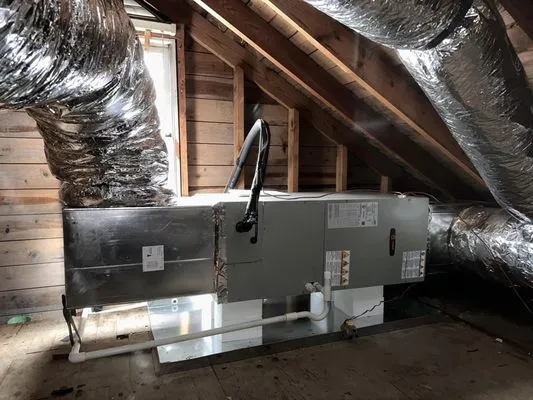
Tailored Air Systems
Tailored Air Systems is a locally owned HVAC and water heater service company based in Mechanicsville, VA, serving Hanover County and surrounding areas since 2021. We specialize in providing reliable ...
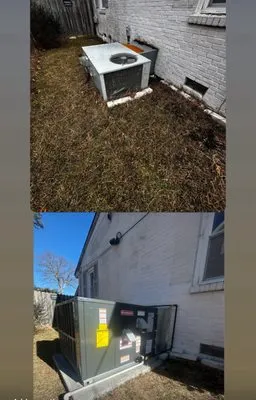
Air Force One HVAC Controls is a trusted heating and air conditioning provider serving Richmond, VA, and the surrounding Central Virginia communities. With over 25 years of experience, we specialize i...
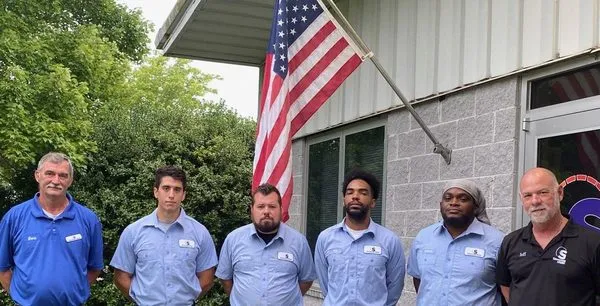
Stoneman Heating & Air Conditioning
Stoneman Heating & Air Conditioning brings over 30 years of trusted service to Midlothian, VA, and the greater Richmond area. Founded by Charles Goodman and now led by retired Chesterfield County fire...
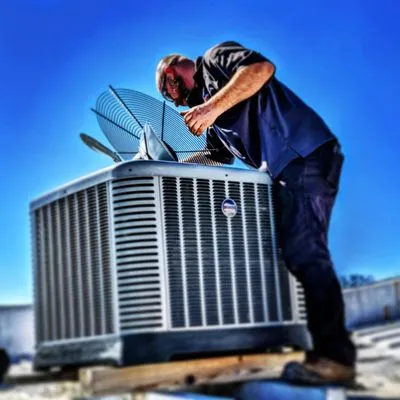
TechMasters LLC is a family-owned and operated HVAC company serving Richmond, Virginia. We specialize in the installation, maintenance, and repair of heating, cooling, and ventilation systems. Our tea...
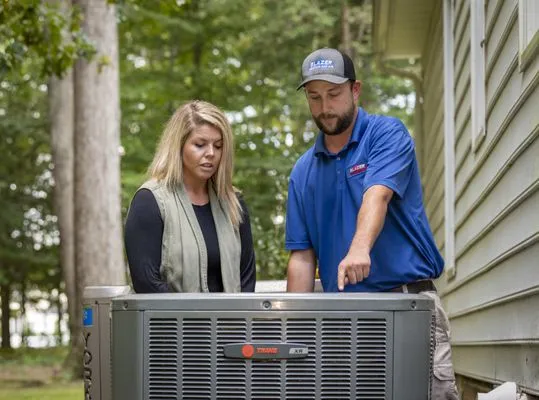
Blazer
Blazer Heating, Air & Plumbing has been a trusted name in the Greater Richmond area since 1989. Founded and owned by Scott Broyles, whose 30+ years of industry experience spans both residential and li...

Loving Air
Loving Air has been the trusted HVAC and water heater specialist for Fredericksburg homeowners since 2014. As a Pearl Certified contractor, we bring energy-efficient solutions and reliable service to ...
Estimated HVAC Service Costs in Louisa, VA
Questions and Answers
How old are most HVAC systems in Louisa homes, and why does that matter?
The average Louisa home was built in 1987, making most HVAC systems around 39 years old in 2026. At this age, components like drain pans and lines have accumulated decades of mineral deposits and biological growth. The humid climate here accelerates algae formation in condensate drains, which is why clogs are the most common failure point we see in older systems. Proper maintenance becomes critical to prevent water damage and system shutdowns.
What do the 2026 SEER2 requirements mean for Louisa homeowners?
Federal standards now mandate 14.3 SEER2 minimum efficiency for new installations, representing about a 15% improvement over previous requirements. At Louisa's 14¢/kWh electricity rates, upgrading from an older system can save $300-500 annually on cooling costs. The Inflation Reduction Act provides up to $8,000 in rebates for qualifying high-efficiency systems, making 2026 an advantageous year for replacements before these incentives potentially change.
What should I do if my air conditioning stops working during a Louisa heatwave?
First check your thermostat settings and circuit breakers, then call for service if those are normal. From our Downtown Louisa location near the Louisa County Courthouse, we can reach most homes via US-33 within 5-10 minutes for emergency no-cool calls. Quick response prevents heat buildup that stresses both your system and indoor air quality, especially important during peak cooling demand periods.
Can Louisa homes handle better air filtration given our pollen and ozone concerns?
April's pollen peak combined with summer ozone risk makes filtration upgrades valuable for Louisa residents. While fiberglass duct board systems common here can typically handle MERV-11 filters, moving to MERV-13 requires checking static pressure to avoid airflow restriction. We measure pressure drop across the filter during installation to ensure your system maintains proper airflow while capturing more pollen and particulate matter.
Should Louisa homeowners consider switching from electric heat to heat pumps?
Heat pumps offer significant advantages for Louisa's climate, providing both heating and cooling from one system. During Dominion Energy's 2-7 PM peak rate periods, properly sized heat pumps operate more efficiently than resistance electric heat. Modern cold-climate models maintain heating capacity down to 5°F, covering most Louisa winter conditions while potentially cutting heating costs by 30-50% compared to traditional electric furnaces.
What does an Ecobee E4 error code indicate for my Louisa HVAC system?
An Ecobee E4 alert specifically signals that your thermostat has lost communication with your HVAC equipment for over 30 minutes. In Louisa installations, this typically indicates either a power interruption to the indoor unit or a control board issue. We check the 24V transformer, control wiring connections, and circuit breakers first, as humidity can sometimes cause corrosion in electrical connections over time.
What permits and safety standards apply to new HVAC installations in Louisa?
All HVAC replacements in Louisa County require permits from the Department of Building Inspections, with inspections verifying proper installation and refrigerant charge. The 2026 transition to A2L refrigerants like R-454B introduces new safety requirements including leak detectors, revised clearance distances, and specialized technician certification. These standards address the mildly flammable nature of modern refrigerants while maintaining the efficiency improvements they provide over phased-out R-410A systems.
How does Louisa's summer heat affect air conditioning performance?
Louisa's design temperature of 91°F represents the peak condition systems are engineered to handle, though actual temperatures sometimes exceed this. When outdoor temperatures approach or surpass 91°F, cooling capacity decreases as the temperature differential between indoor and outdoor environments narrows. The R-454B refrigerant now standard in 2026 systems maintains better efficiency at high temperatures than older refrigerants, but proper sizing through Manual J calculations remains essential for reliable performance.
