
Top Emergency HVAC Services in Lynchburg, VA, 24501 | Compare & Call

Browns Heating and Air
Brown's Heating, Air, Plumbing & Electrical is a trusted, locally owned and operated company serving Lynchburg, VA and the surrounding area. Founded in 2006 by Brandon and Dara Brown, the business beg...
Maddox Air Electrical & Plumbing
Maddox Air Electrical & Plumbing is your trusted, full-service home comfort and safety expert in Lynchburg, VA. We specialize in heating and air conditioning, electrical work, and generator services t...
For over 25 years, ProCare Solutions has been a trusted maintenance contractor for Lynchburg and the surrounding area, offering reliable services for both homes and businesses. We specialize in a comp...
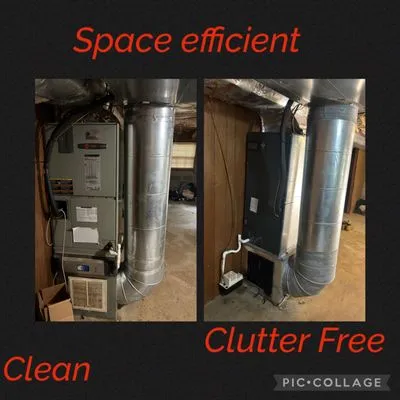
Wooldridge Home Solutions is Lynchburg's trusted heating and air conditioning expert, providing reliable HVAC services to homeowners throughout the area. We understand the common local frustrations, l...
Rogers Heating & Cooling
Rogers Heating & Cooling is a trusted Lynchburg-based provider of comprehensive home comfort solutions, specializing in heating, air conditioning, and electrical services. We understand the local chal...
Boonsboro Heating And Air is a trusted HVAC company serving Lynchburg, VA, and surrounding areas. We specialize in heating and air conditioning installation, repair, and maintenance to keep local home...
Howells Service Company has been a trusted provider of HVAC, plumbing, and well drilling services in Lynchburg, VA, for over 30 years. As certified professionals, we specialize in comprehensive soluti...
Davis Heating and Cooling
Davis Heating and Cooling has been providing reliable HVAC, electrical, and generator services to Lynchburg, Virginia, and surrounding communities since 1979. As a locally owned business with over fou...
Southern Air
Southern Air has been a trusted provider of HVAC, electrical, and plumbing services in Lynchburg, VA, since 1946. With a team of NATE-certified technicians, they offer reliable installation, maintenan...
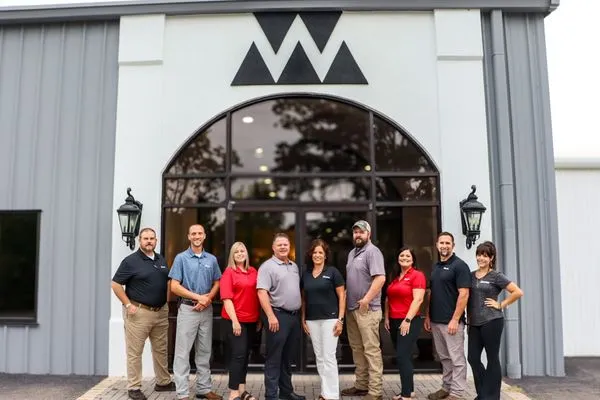
Wooldridge Heating Air & Electrical
For nearly 50 years, Wooldridge Heating Air & Electrical has been the trusted local specialist for Lynchburg and Central Virginia's home comfort and electrical needs. Founded in 1975 and led by CEO Da...
FAQs
With spring pollen and summer ozone alerts, can our old duct system handle a better air filter?
While a MERV-13 filter is excellent for capturing pollen and fine particulates, your existing galvanized sheet metal ductwork may create a static pressure issue. Older, potentially leaky duct systems often lack the airflow capacity for such restrictive filters without causing strain on the blower motor. A technician should perform a static pressure test before upgrading filtration. Solutions may include duct sealing or selecting a mid-range MERV filter that balances air quality and system performance.
Our system was installed when the house was built. Should we be concerned about its age?
A system installed in a 1971 Lynchburg home is approximately 55 years old, which is well beyond its expected service life. Age significantly accelerates the two most common failures here: condensate drain line algae buildup from our humid climate and coil corrosion from years of acidic condensation. Galvanized sheet metal ductwork from that era also develops leaks, forcing the system to work harder and reducing both comfort and efficiency. Proactive replacement avoids the higher cost and discomfort of a sudden mid-summer failure.
Our air conditioner just stopped blowing cold air on a hot Diamond Hill afternoon. How fast can a technician get here?
A no-cool call in Diamond Hill is a priority dispatch. From our service hub near Lynchburg City Hall, a technician can take US-29 and be on-site typically within 10 to 15 minutes. The first steps are to check for a tripped circuit breaker, a clogged condensate drain triggering the safety switch, or an Ecobee E4 error code. This rapid response helps prevent further compressor strain and allows for a quick diagnosis to restore cooling.
Why does our system struggle when it gets above 95 degrees, even though it's supposed to be sized for our heat?
Lynchburg HVAC systems are designed to a 91°F outdoor temperature standard. When actual temperatures exceed this design limit, as they often do, any system's capacity drops and it must run continuously to maintain temperature. The newer R-454B refrigerant standard for 2026 offers slightly better high-temperature performance and lower global warming potential than older refrigerants. Proper sizing via a Manual J load calculation and ensuring adequate airflow are critical to minimizing this performance gap during our hottest days.
What does the new 14.3 SEER2 minimum efficiency standard mean for our electricity bills?
The 14.3 SEER2 federal minimum effective in 2026 represents a baseline for new units, but modern systems often reach 16-18 SEER2. At Lynchburg's current rate of $0.134 per kWh, upgrading from a 10 SEER unit to an 18 SEER2 model can cut cooling costs by nearly half. The active Inflation Reduction Act HEEHRA rebates provide up to $8,000 for income-qualified households, making high-efficiency upgrades financially accessible and significantly reducing long-term operating expenses.
What should we know about permits and safety for a new system using the new refrigerant?
All new HVAC installations in Lynchburg require a permit from the City's Department of Community Development - Permits Division. This ensures compliance with building and mechanical codes. Since 2026, most new equipment uses mildly flammable A2L refrigerants like R-454B. These require specific safety protocols during installation, including leak detection, updated electrical codes for service disconnects, and proper room sizing for equipment placement. Hiring a certified technician familiar with these 2026 standards is non-negotiable for a safe, code-compliant installation.
Our Ecobee thermostat is showing an 'E4' alert. What does this mean for our system?
An Ecobee E4 alert specifically indicates a loss of communication with the outdoor heat pump or air conditioner unit. In Lynchburg, this is commonly caused by a tripped high-pressure switch from a dirty condenser coil, a refrigerant issue, or a failed control board. It can also signal a clogged condensate drain line activating the safety float switch. This error shuts down the cooling system to prevent damage, requiring a technician to diagnose the specific electrical or mechanical fault at the outdoor unit.
We use gas heat now. Does it make sense to switch to a heat pump given our winters and electricity costs?
For Lynchburg, a cold-climate heat pump is a viable primary heating source, efficiently operating down to near 0°F. The economic case depends on the relative cost of gas versus electricity during Appalachian Power's peak hours (2-6 PM). Heat pumps provide efficient cooling in summer and dehumidification. Pairing a heat pump with your existing gas furnace as a dual-fuel or hybrid system can offer the lowest operating cost, using the heat pump for moderate weather and automatically switching to gas during the deepest cold or peak electrical pricing.
