
Top Emergency HVAC Services in Winchester, VA, 22601 | Compare & Call

GSSN Heating & Cooling
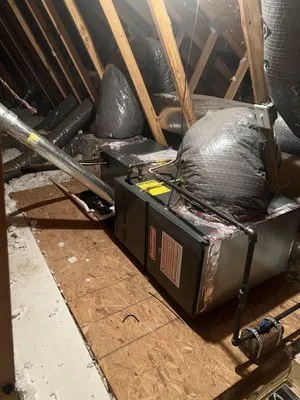
Since 2009, GSSN Heating & Cooling has been Winchester's trusted residential HVAC specialist, committed to delivering "Great Service Second To None." Servicing the Shenandoah Valley, our team of licen...
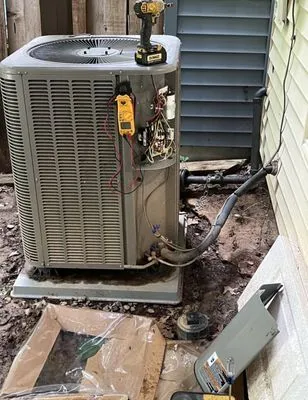
Founded on a passion for HVAC and a commitment to quality, All Pro HVAC has been a trusted provider for Winchester and Northern Virginia homeowners for over a decade. Owner-operated with high standard...
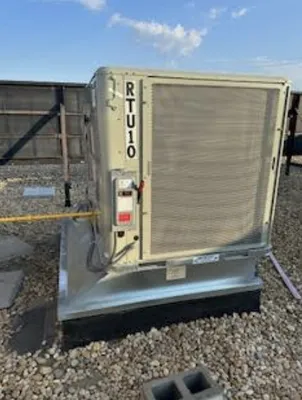
K&Y HVAC Services is your trusted, local heating and cooling expert in Winchester, VA. We understand the specific challenges homeowners face, from high humidity levels that strain your system to the i...

ABJ HVAC is a family-owned and operated heating and air conditioning company proudly serving the Winchester community. Founded on decades of hands-on experience, owners Allen and Bonnie bring a combin...
Small Solutions
Small Solutions is your trusted local partner in Winchester, VA, for comprehensive home comfort and automation services. We understand the common frustrations Winchester homeowners face, like thermost...
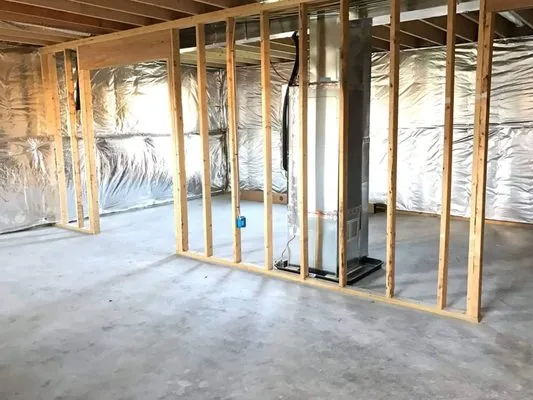
ReDesign Air is a family-owned and operated HVAC company dedicated to serving Winchester and the surrounding communities. With a deep-rooted history spanning over 50 years in the industry, we've built...
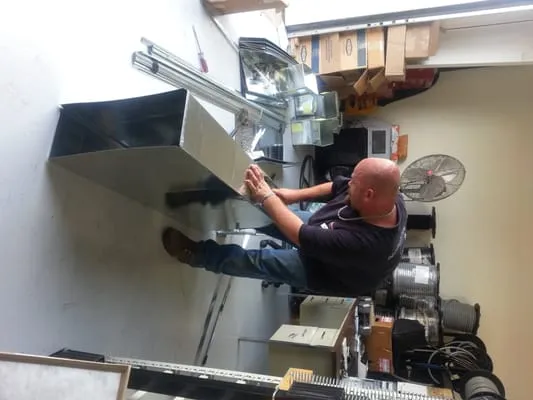
A-1 Cooling & Refrigeration
A-1 Cooling & Refrigeration is a Class A HVAC contractor serving the greater Front Royal and Winchester, VA areas. We specialize in the sales, service, and installation of all major brands of heating ...
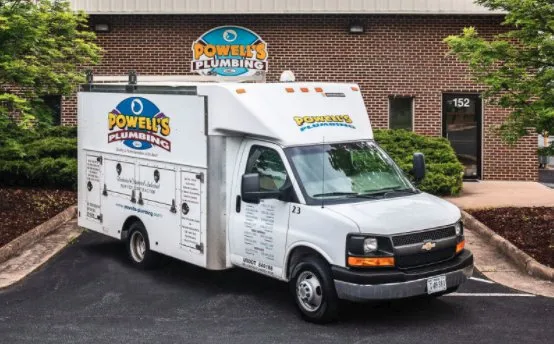
Powell's Plumbing & Air
Powell's Plumbing & Air is a trusted, family-owned plumbing and HVAC service provider serving Winchester, VA, and surrounding areas for over 30 years. With expertise in plumbing, septic services, and ...
Blue & Gray Electrical Service
Blue & Gray Electrical Service is a family-owned electrical service company in Winchester, VA, with over 50 years of experience. We provide comprehensive electrical, HVAC, and appliance repair service...
Absolute HVAC Guys brings over 25 years of heating and cooling experience to every home and business in Winchester, VA, and the surrounding Northern Virginia and Eastern Panhandle areas. We view our w...
Questions and Answers
Can my existing ductwork handle a high-efficiency air filter for pollen and ozone?
Your galvanized sheet metal ducts with fiberglass wrap generally provide a robust envelope that can accommodate higher filtration. However, installing a MERV-13 filter to capture May pollen peaks and particulate matter requires a static pressure check. An undersized or aging air handler may struggle, so we verify system airflow before upgrade to avoid reduced cooling capacity and increased energy consumption.
If my air conditioner stops on a hot day in Old Town Winchester, how fast can a technician arrive?
For a no-cool emergency, our dispatch from near the Handley Regional Library allows a technician to reach most Old Town addresses within 10 to 15 minutes. We route directly via I-81 to avoid local traffic delays, ensuring a rapid response. This speed is critical to prevent moisture buildup and protect sensitive components in your home's interior environment.
What are the permit and safety requirements for a new A/C installation in 2026?
All installations in Winchester must be permitted through the City Inspections and Permits Division. As of 2026, systems using A2L refrigerants like R-454B require adherence to updated safety standards (UL 60335-2-40), which mandate leak detection, specific room size calculations, and revised service procedures. Hiring a contractor certified in A2L handling is not just recommended—it's a legal and safety necessity for proper system commissioning and homeowner protection.
Why does my air conditioner sometimes struggle on the hottest Winchester afternoons?
HVAC systems are sized for a specific design temperature, which in Winchester is 91°F. On days that exceed this, the system runs continuously to minimize the temperature gap but cannot maintain the standard 20-degree delta T. Modern units using R-454B refrigerant maintain better pressure and efficiency at these higher ambient temperatures compared to older R-410A systems, but all equipment has a defined thermal limit.
My Ecobee thermostat is showing an E1 alert. What does this mean for my system?
An Ecobee E1 error code indicates the thermostat is not detecting a call for cooling from your HVAC equipment. In Winchester, this often points to a safety lockout from a primary control failure, such as a tripped high-pressure switch from a dirty condenser coil or a faulty condensate overflow switch due to the prevalent algae blockages. It's a diagnostic signal prompting a professional service call to prevent compressor damage.
What does the new 14.3 SEER2 minimum efficiency standard mean for my utility bills?
The 14.3 SEER2 federal minimum effective in 2026 represents a significant jump in part-load efficiency over older units. For Winchester's average 3-ton system, upgrading from a pre-2023 13 SEER model to a new 16 SEER2 unit could save approximately 15-20% on cooling costs at the local rate of $0.14 per kWh. The active Inflation Reduction Act rebates, with caps up to $8,000, can substantially offset the initial investment, making high-efficiency upgrades more accessible.
Our house was built around 1968. Should I be worried about the age of my HVAC system?
Systems from this era in Winchester have an average operational age of 58 years. This exceeds the typical 15-20 year service life, meaning critical components like the galvanized sheet metal ductwork are often nearing the end of their integrity. Age-related corrosion and settled fiberglass insulation can lead to significant air leakage and reduced efficiency. Furthermore, older condensate drain pans and lines are highly susceptible to the algae growth and blockage noted as a common failure point in this humid climate.
Is switching from my natural gas furnace to a heat pump a practical choice here?
For Winchester homes, a dual-fuel or cold-climate heat pump system is increasingly viable. While winter lows demand supplemental heat, a heat pump provides efficient cooling and heating outside of utility peak hours (2 PM to 7 PM). The economics depend on natural gas versus electricity rates, but the federal rebates specifically incentivize heat pump adoption, making the transition more financially attractive for whole-home comfort.
