
Top Emergency HVAC Services in Blaine, WA, 98230 | Compare & Call

Dimax Air Solutions
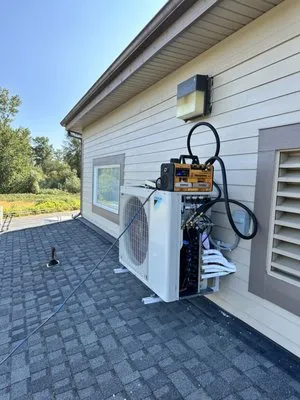
When your home comfort system in Blaine needs attention, Dimax Air Solutions is the trusted, local choice. Founded and operated by retired US Army veterans, we bring over 20 years of disciplined exper...
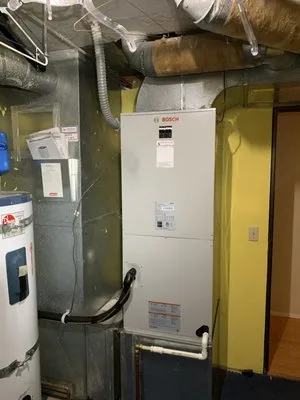
Dimax Mechanical is a trusted, locally-owned HVAC company serving Blaine, WA, and the surrounding area for over 15 years. We're known for providing fast, honest diagnostics and reliable repairs for al...
Amundson Heating And Air
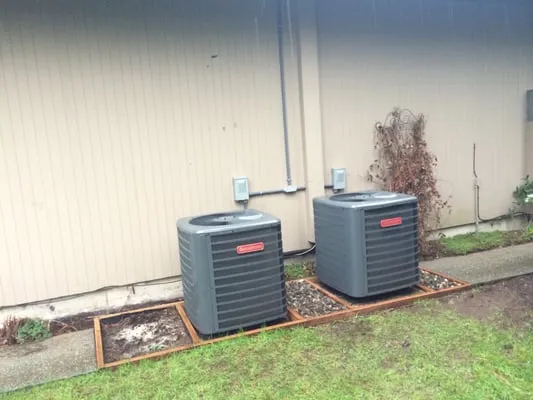
Amundson Heating And Air is a trusted HVAC contractor serving Blaine, WA, and the surrounding communities. We specialize in diagnosing and repairing common local heating and cooling problems, includin...
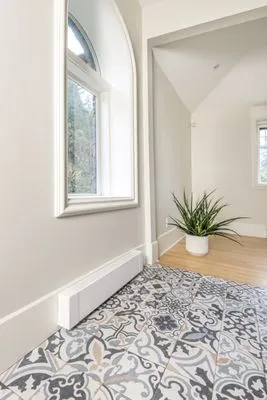
Veil Baseboard Covers in Blaine, WA provides a smart safety and efficiency solution for homes with baseboard heating. They specialize in manufacturing durable, rust-free aluminum covers designed to sh...
Frequently Asked Questions
Can my home's ventilation system handle better air filtration with our wildfire and pollen concerns?
Insulated galvanized steel ductwork typically supports MERV-13 filters without significant static pressure issues when properly sized. This filtration level effectively captures wildfire PM2.5 particles and May pollen peaks common in the Blaine area. However, existing duct systems should be evaluated for airflow capacity before upgrading filtration, as restricted airflow can reduce system efficiency and increase energy consumption during peak wildfire seasons.
Should I consider switching from natural gas heating to a heat pump in Blaine?
Heat pumps offer efficient heating for Blaine's climate, with modern cold-climate models maintaining capacity down to 5°F. Strategic operation during Puget Sound Energy's peak hours (7-10 AM and 5-8 PM) maximizes utility savings while utilizing the $1,000 local rebate. The transition from natural gas reduces carbon emissions and leverages the moderate winter lows that allow heat pumps to operate efficiently throughout most of the heating season.
How do the new 2026 efficiency standards affect my HVAC replacement costs?
The 2026 federal mandate requires minimum 13.4 SEER2 efficiency for all new installations, representing approximately 15% improvement over previous standards. With Blaine's electricity rate at $0.11/kWh, this translates to meaningful operational savings over the system lifespan. The Inflation Reduction Act provides up to $8,000 in rebates for qualifying high-efficiency installations, significantly offsetting the initial investment while reducing long-term energy consumption.
What happens if my air conditioning stops working during a hot day in Downtown Blaine?
For a no-cool emergency in Downtown Blaine, technicians can typically respond within 5-10 minutes from locations near Peace Arch Historical State Park. Service vehicles traveling via I-5 reach most residential areas quickly, minimizing downtime during critical cooling periods. This rapid response time helps prevent indoor temperature spikes that can affect comfort and equipment longevity in the moderate climate.
How does Blaine's summer weather affect air conditioning performance?
Blaine's design temperature of 81°F represents the outdoor condition at which systems should maintain 75°F indoors. During occasional heat spikes above this threshold, properly sized systems using R-454B refrigerant maintain adequate cooling capacity with minimal efficiency degradation. R-454B's thermodynamic properties provide stable performance across Blaine's moderate temperature range, though extended operation above design conditions increases energy consumption and mechanical stress.
What does an Ecobee E1 error code mean for my HVAC system in Blaine?
An Ecobee E1 alert indicates a communication failure between the thermostat and HVAC equipment, often caused by wiring issues or power interruptions. In Blaine's moderate climate, this frequently correlates with seasonal startup problems or voltage fluctuations during shoulder seasons. The alert allows proactive diagnosis before complete system failure, particularly valuable during temperature transitions when systems experience increased cycling frequency.
My HVAC system seems to be having issues - how old is the typical system in Blaine homes?
The average HVAC system in Blaine homes is approximately 28 years old, calculated from the 1998 average build year. Systems of this age often develop condensate line clogs due to algae buildup in the moderate humidity environment. As evaporator coils age, they accumulate biological growth that migrates to drain lines, creating blockages that can cause water damage. Regular maintenance becomes critical for these older systems to prevent emergency shutdowns.
What permits and safety standards apply to new HVAC installations in Blaine?
All HVAC installations in Blaine require permits from the City of Blaine Building Department, with 2026 standards mandating specific safety protocols for R-454B refrigerant systems. A2L refrigerants like R-454B have lower flammability than previous options but still require certified technicians, proper ventilation, and leak detection systems. These regulations ensure safe handling while maintaining the environmental benefits of next-generation refrigerants in residential applications.
