
Top Emergency HVAC Services in Edgewood, WA, 98371 | Compare & Call

There are 225 hvac companies server in Edgewood WA

Christian, the owner of GREENTOP Heating, brings over 20 years of HVAC expertise to every job. An immigrant from Ukraine, he believes in the Golden Rule and runs a family-owned company that's been a t...
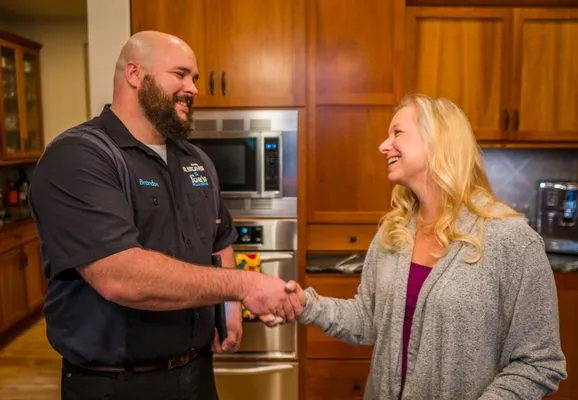
2 Sons Plumbing, Sewer, Electric, Heating & Air
Founded by Tyler, who brings 28 years of Seattle-area experience, 2 Sons Plumbing, Sewer, Electric, Heating & Air began as a modest business focused on providing reliable plumbing, drain, and water he...
Goat Heating & Cooling is a locally owned and operated HVAC company serving Auburn, WA since 2016. Founded by Andrey Mironets, we specialize in residential heating and cooling solutions with a commitm...
Green Bear Heating And Air
Green Bear Heating and Air is a locally owned and operated HVAC contractor serving Issaquah and surrounding King, Pierce, and South Snohomish Counties. Founded in 2013 by a technician with over two de...
Two Brothers Water Heater Repair
Two Brothers Water Heater Repair is a family-run plumbing and HVAC business serving Seattle and the surrounding communities. Our story is rooted in a lifetime of working with our hands; we started lea...
Go-Green Heating AC & Electric
Founded on a promise of honest advice and guaranteed work, Go-Green Heating AC & Electric began in 2016 as a one-person operation driven by a simple goal: to become Seattle's trusted comfort specialis...
Innovative Air Heating & Air Conditioning is your trusted local HVAC partner in Renton, WA. Our team of experienced contractors brings years of specialized training to every job, focusing on finding t...
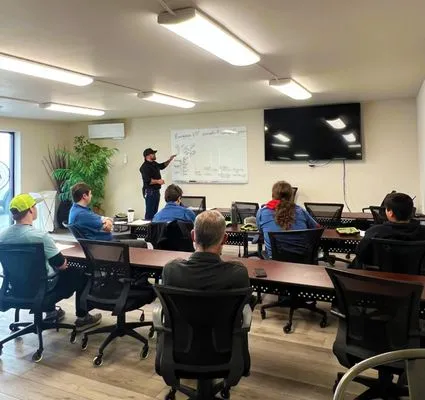
Evergreen Home Heating and Energy
Evergreen Home Heating and Energy is a family-owned Seattle HVAC specialist with roots going back to 1975. Founded by Dave and Rodger Patton, the company is now run by the next generation, combining d...
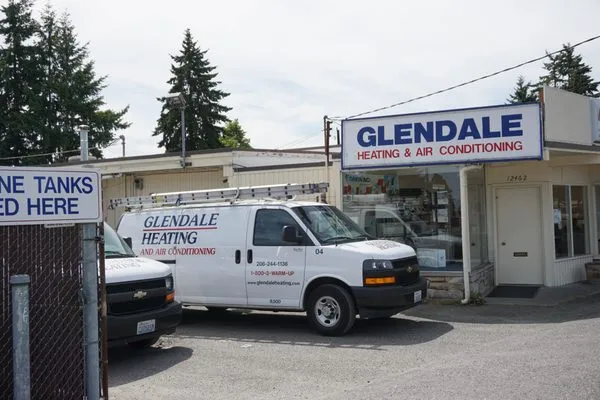
Glendale Heating & Air Conditioning
Since 1938, Glendale Heating & Air Conditioning has been a trusted, family-owned HVAC provider serving the greater Seattle area, including Tacoma and Bellevue. As a third-generation company, we specia...

Ally Heating and Air Conditioning
My journey in HVAC and plumbing started in a local supply house in Hawaii, where I learned the importance of helping people solve problems. That hands-on experience, first as an apprentice and then as...
Estimated HVAC Service Costs in Edgewood, WA
Q&A
Why does my AC struggle when it gets above 85 degrees?
Residential HVAC systems in Edgewood are typically designed for a maximum outdoor temperature of 85°F. When summer highs exceed this design limit, the system's capacity drops and it must run continuously to attempt to maintain temperature. Modern systems using R-454B refrigerant maintain better efficiency and capacity at these higher temperatures compared to older R-22 units, but all systems will experience reduced performance during extreme heat.
My air conditioner stopped blowing cold air on a hot day. Can you get here fast?
For a no-cool emergency in the Edgewood City Center area, our dispatch can route technicians from near the Edgewood City Hall, using SR-167 for direct access. This typically allows for a 10 to 15 minute response window. We prioritize these calls to prevent further compressor strain and to restore comfort quickly, especially during peak afternoon temperatures.
What does the new 13.4 SEER2 minimum mean for my electricity bill?
The 13.4 SEER2 standard, effective in 2026, sets a higher baseline for system efficiency compared to older units. With Edgewood's average rate of $0.12 per kWh, upgrading from a 10 SEER unit to a new 16 SEER2 model can reduce cooling costs by approximately 30%. The active federal HEEHRA rebates, with an $8,000 cap, can directly offset this upgrade cost, making the payback period for a high-efficiency system very attractive.
Should I switch from my gas furnace to a heat pump in Edgewood?
Given Edgewood's mild winter lows and the 2026 shift to ultra-efficient heat pumps, a transition is worth analyzing. Modern cold-climate heat pumps provide effective heat down to about 5°F, making them suitable for most of our winter. To maximize savings, pair the heat pump with a smart thermostat to avoid operation during Puget Sound Energy's peak rate hours from 7-10 AM and 5-8 PM, leveraging cheaper off-peak electricity.
Our AC unit is from the 90s. Is it time to replace it?
The average home in Edgewood is over 40 years old, meaning many central air systems are from the original build. A system installed in the 1990s is now 25-35 years old, which is well beyond its design life. This age makes components like the galvanized sheet metal ductwork and the condenser coil more prone to failure. It also explains why condensate line algae blockage is a common service call, as decades of organic buildup can restrict the drain.
My Ecobee thermostat is showing an 'E1' alert. What does that mean?
An Ecobee E1 error code indicates the thermostat has lost communication with the outdoor heat pump or AC unit. In Edgewood, this is often caused by a condensate line blockage triggering an internal safety float switch, which cuts power to the outdoor unit. It can also signal a tripped circuit breaker, a failing control board, or damaged low-voltage wiring. This alert allows for proactive service before a complete system failure occurs.
Can my current ducts handle a better air filter for wildfire smoke and spring pollen?
Your existing galvanized sheet metal with duct board is generally robust, but adding a high-MERV filter requires a static pressure check. A MERV-13 filter is excellent for capturing PM2.5 from wildfires and May pollen peaks, but it can restrict airflow. We must measure the system's static pressure to ensure the blower motor isn't overworked, which could lead to reduced cooling capacity or premature motor failure.
What are the permit and safety rules for a new AC installation?
All new installations in Edgewood require a permit from the City of Edgewood Building Division. As of 2026, systems using A2L refrigerants like R-454B have specific mandated safety standards. These include requiring leak detectors, revised clearance distances, and specialized technician certification (EPA 608 Type II or III). Proper permitting ensures the installation meets current electrical, mechanical, and safety codes, which is critical for system performance, safety, and preserving manufacturer warranties.
