
Top Emergency HVAC Services in Indianola, WA, 98342 | Compare & Call

There are 211 hvac companies server in Indianola WA

Christian, the owner of GREENTOP Heating, brings over 20 years of HVAC expertise to every job. An immigrant from Ukraine, he believes in the Golden Rule and runs a family-owned company that's been a t...
Go-Green Heating AC & Electric
Founded on a promise of honest advice and guaranteed work, Go-Green Heating AC & Electric began in 2016 as a one-person operation driven by a simple goal: to become Seattle's trusted comfort specialis...
Innovative Air Heating & Air Conditioning is your trusted local HVAC partner in Renton, WA. Our team of experienced contractors brings years of specialized training to every job, focusing on finding t...

West Seattle Heating & Air is a trusted HVAC company serving Seattle, WA, specializing in heating and air conditioning solutions for local homeowners. We understand that many Seattle homes face common...
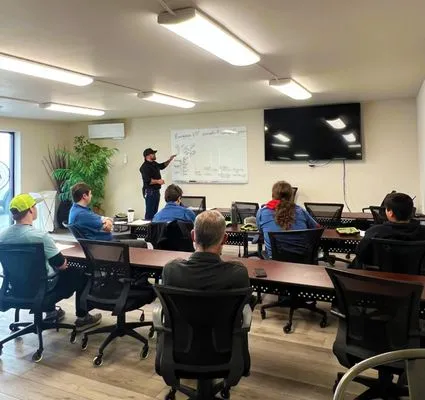
Evergreen Home Heating and Energy
Evergreen Home Heating and Energy is a family-owned Seattle HVAC specialist with roots going back to 1975. Founded by Dave and Rodger Patton, the company is now run by the next generation, combining d...
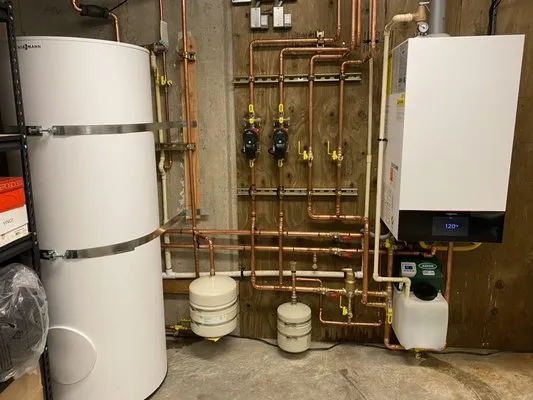
SKN Works Radiant Heating, established in 2012, is a Seattle-based contractor specializing in hydronic and radiant heating systems for the Puget Sound area. Founded by Dima, the company evolved from a...

Ally Heating and Air Conditioning
My journey in HVAC and plumbing started in a local supply house in Hawaii, where I learned the importance of helping people solve problems. That hands-on experience, first as an apprentice and then as...
Greenwood Heating and Home Services
Greenwood Heating and Home Services is a trusted local provider in Tukwila, offering comprehensive solutions for heating, cooling, electrical, and plumbing needs. With roots dating back to 1921 in Sea...
North Seattle AC & Heating was founded in 2015 by Catherine, whose background in industrial engineering shaped a unique vision for residential comfort. She built the company on a philosophy that pairs...
Olson Energy Service
Olson Energy Service is a family-owned and operated business with deep roots in the Seattle community, tracing its origins back over 90 years to founder Garnett Olson’s mission of delivering quality h...
Estimated HVAC Service Costs in Indianola, WA
FAQs
I have electric heat. Is switching to a heat pump a good idea for Indianola winters?
Yes, a cold-climate heat pump is an excellent replacement for electric resistance heat. Our winter lows are well within the operating range of modern units. The key economic benefit is efficiency; a heat pump can deliver over three times the heat per kilowatt-hour compared to standard electric strips. To maximize savings, program the thermostat to minimize use during Puget Sound Energy's peak hours (7-10 AM and 5-8 PM) when rates are highest.
My air conditioner stopped on a hot day near the Indianola General Store. How fast can a technician get here?
A dispatch from our office for a 'No-Cool' call in the Indianola Town Center area typically puts a truck on WA-307 within minutes. Given the proximity and local traffic patterns, we consistently achieve a 15 to 25 minute response window. We prioritize these calls to prevent further system stress and potential indoor comfort issues during operational hours.
How old is my air conditioner likely to be, and what's the main thing that goes wrong?
With an average home build year of 1992, the original HVAC system in Indianola is now about 34 years old. Units of this vintage are well beyond their typical service life. The primary failure point we see is condensate line algae buildup, especially given our moderate humidity. The dark, damp interior of an old drain line is an ideal environment for microbial growth, which eventually causes a full clog and water backup.
My Ecobee thermostat is showing an 'E1' alert. What does that mean for my system?
An Ecobee E1 error indicates the thermostat is not detecting a call for cooling or heating, often due to a safety lockout or loss of communication with the HVAC equipment. In Indianola, this frequently correlates with two issues: a tripped high-pressure switch from a dirty condenser coil during high pollen season, or a safety cutoff from a clogged condensate line triggering the float switch. It's a signal to call for service before a minor issue becomes a major failure.
My system is ancient. What's the new efficiency standard, and are there rebates to help?
As of 2026, the federal minimum efficiency standard is 13.4 SEER2 for new split-system air conditioners. Upgrading from a 1990s-era unit to a modern 18+ SEER2 model can cut your cooling electrical use by nearly half against the local rate of $0.11 per kWh. The federal Inflation Reduction Act (HEEHRA) provides rebates of up to $8,000 for qualified heat pump installations, which often makes the higher-efficiency upgrade cost-neutral after incentives.
Can my current ductwork handle a better air filter for wildfire smoke and spring pollen?
Your insulated flex duct, if properly sized and installed, can often accommodate a MERV-13 filter, which is effective for PM2.5 from wildfires and pollen. The critical factor is static pressure; an older blower motor may struggle. We recommend a static pressure test before upgrading. If pressure is high, solutions include duct sealing or a filter cabinet retrofit to ensure proper airflow isn't sacrificed for filtration.
What are the permit and safety rules for a new AC installation in 2026?
All new installations in Kitsap County require a permit from the Department of Community Development, which includes inspections for electrical, refrigerant line, and mounting integrity. For systems using A2L refrigerants like R-454B, which are mildly flammable, 2026 codes mandate specific leak detection sensors, updated service port designs, and specialized technician certification. These protocols ensure the safe operation of the new standard refrigerant in your home.
It hit 95°F last summer, but my system is only designed for 85°F. Will a new one handle the heat?
Local design temperature is 85°F, meaning systems are sized for efficient operation at that point. During peak heat events above that, all systems lose capacity and efficiency. Modern units using R-454B refrigerant, the new 2026 standard, maintain higher performance at elevated temperatures compared to old R-410A systems. Proper sizing via a Manual J load calculation is essential to ensure adequate capacity without short-cycling during more typical conditions.
