
Top Emergency HVAC Services in Mill Creek, WA, 98012 | Compare & Call


Endeavor Heating and Cooling is a family-owned HVAC business serving Mill Creek and the greater Puget Sound region. Founded by Jesse in 2025, the company brings over a decade of trade school and field...

Carlson Mechanical
Carlson Mechanical is a trusted heating and cooling specialist rooted in Mill Creek, WA, with a focus on hydronic and radiant systems. Serving homes and businesses across King and Snohomish Counties, ...
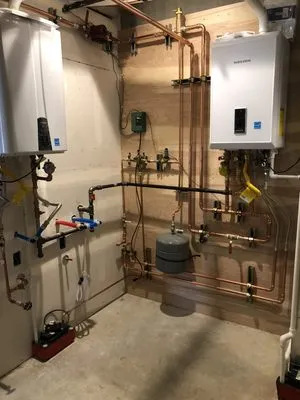
Perfect Temp Heating And Cooling is a trusted local HVAC provider serving Mill Creek and the surrounding communities. As a family-owned and operated business, we prioritize honest communication and re...

Serving the Greater Seattle Area since 2006, Washington Natural Gas in Mill Creek is your local specialist for heating and air conditioning. Our dedicated team provides a full range of services, from ...
Absolute Enterprises HVAC is your trusted local heating and cooling expert in Mill Creek, WA. We specialize in diagnosing and solving the unique comfort challenges faced by homes in our community. A c...
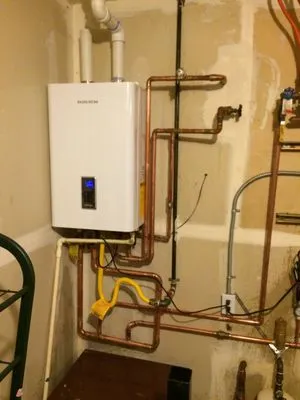
Tas Heating is a locally-owned HVAC company serving Mill Creek, WA, with reliable heating and water heater services. Founded by an experienced technician, we focus on honest pricing, expert craftsmans...

Illuminations
Illuminations is a trusted, full-service electrical and HVAC contractor serving Mill Creek, WA. We specialize in resolving the common local issues homeowners face, such as blower motor failures and hi...
TJK Heating & Cooling
TJK Heating & Cooling is your trusted local HVAC and fireplace expert serving Mill Creek, WA. We specialize in keeping your home comfortable year-round with comprehensive heating, cooling, water heate...
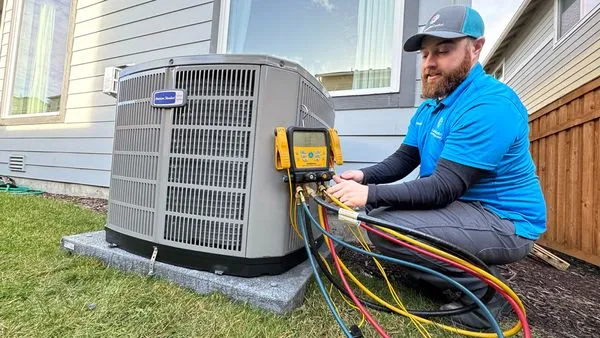
Cascadia Comfort
Cascadia Comfort is a locally owned and operated business in Mill Creek, WA, specializing in heating, air conditioning, electrical work, and generator services. With over two decades of experience, ou...
4 Seasons Electric Plumbing Heating and Air
4 Seasons Electric Plumbing Heating and Air is your trusted local home service expert in Mill Creek, WA. We specialize in providing reliable and efficient solutions for your electrical, plumbing, heat...
Questions and Answers
Why does our AC struggle during the hottest summer afternoons?
Mill Creek's design temperature for cooling is 85°F, but summer peaks can reach the mid-90s. When outdoor temperatures exceed the design limit, the system's capacity drops and it must run continuously to maintain temperature. Modern systems using R-454B refrigerant maintain better performance and efficiency at these higher temperatures compared to older R-410A units. Proper sizing from a current Manual J load calculation is critical to minimize this performance gap.
We use natural gas heat. Is a heat pump a viable primary system here?
Modern cold-climate heat pumps are engineered to provide efficient heat down to temperatures well below Mill Creek's winter lows. The economic case is strengthened by avoiding peak electricity rates from 7-9 AM and 5-8 PM by using the system's programmable scheduling. When combined with the available federal and Snohomish PUD rebates, the switch from natural gas can offer lower annual energy costs and reduce your home's carbon footprint.
What happens if our AC stops on a hot day in Mill Creek Town Center?
A sudden loss of cooling requires a prompt diagnosis of the compressor, capacitor, or refrigerant charge. From our service area near the Mill Creek Nature Preserve, we can typically dispatch a technician via I-5 within a 12 to 18 minute window during normal traffic. This rapid response allows us to secure your home's comfort and prevent secondary issues like humidity buildup before they start.
What do the new 2026 SEER2 ratings mean for our electricity bill?
The federal minimum is now SEER2 14.3, a more accurate measure of real-world efficiency. Upgrading from a pre-2015 unit to a modern SEER2 16+ model can reduce cooling electrical consumption by approximately 20%. With Snohomish PUD rates at $0.11 per kWh, these savings are tangible. The federal Inflation Reduction Act rebate, capped at $8,000 for qualified heat pumps, significantly offsets the initial investment to achieve this higher efficiency.
What should we know about permits and safety for a new AC installation?
All HVAC replacements in Mill Creek require a permit from the City of Mill Creek Building Department. As of 2026, systems using mildly flammable A2L refrigerants like R-454B must adhere to updated safety standards (UL 60335-2-40). These mandate specific leak detectors, revised service procedures, and updated equipment markings. A licensed contractor will handle this permitting process and ensure the installation meets all current codes for safety and performance.
Our Ecobee thermostat is showing an 'E4' alert. What does that mean?
The Ecobee E4 code specifically indicates the thermostat has lost communication with the outdoor heat pump or AC unit. In Mill Creek, this often points to a tripped high-pressure switch, a failed control board, or a low-voltage wire issue, possibly exacerbated by our damp climate. This alert allows for proactive service before a complete failure occurs, preventing a no-cool situation during warmer weather.
Can our home's ventilation protect us during wildfire season and pollen peaks?
Effective filtration is key for May pollen and summer wildfire PM2.5. Your existing flexible R-6 insulated ducting has limitations; installing a standard 1-inch MERV-13 filter can create excessive static pressure and reduce airflow. A better solution is a 4- or 5-inch media cabinet, which provides superior filtration with lower resistance. This upgrade, paired with proper system sealing, directly improves the indoor environment during air quality events.
Our home's original AC is still running. Should we be concerned?
A system from a Mill Creek home built around 1995 is now about 31 years old, which exceeds the typical 15-20 year service life. At this age, components like the evaporator coil and compressor are operating on borrowed time. The moist climate here accelerates algae growth, making the condensate line a primary failure point in older systems. This blockage can cause water damage and system shutdowns, often signaling the need for a comprehensive assessment.
