
Top Emergency HVAC Services in Port Angeles, WA, 98362 | Compare & Call

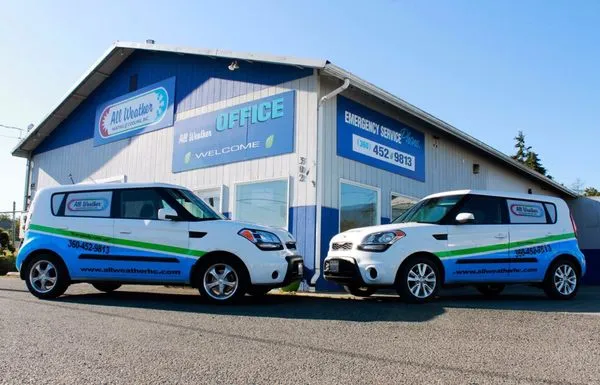
All Weather Heating & Cooling has been a trusted family-owned HVAC provider in Port Angeles, WA since 1983. Founded by Tom and Ida McKeown, the business grew from their home to its current facility on...
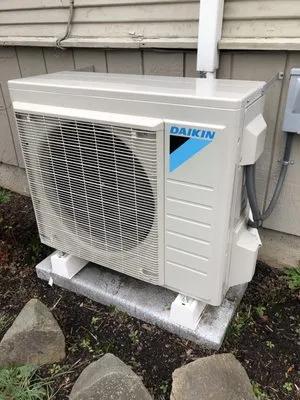
Dave's Heating & Cooling Service is your trusted Port Angeles, WA HVAC specialist, helping homeowners and businesses tackle the area's most common comfort challenges. We understand that high energy bi...
Strait Comfort Systems
Strait Comfort Systems is a veteran-owned heating and air conditioning company proudly serving Port Angeles, Clallam County, and the surrounding Olympic Peninsula since 2015. We began by installing ef...

Nice Guy Heating and Air is a locally owned and operated HVAC company serving Port Angeles, WA, and surrounding areas like Sequim. With over a decade of experience, we specialize in heating and air co...

Schmitt's Sheet Metal
Schmitt's Sheet Metal is a trusted, family-owned metal fabrication and HVAC service provider in Port Angeles, WA. We specialize in crafting durable, custom metal components and providing expert heatin...
Brooks Ductless Heating is a trusted local HVAC company serving Port Angeles and the surrounding Olympic Peninsula. We specialize in the installation, maintenance, and repair of ductless mini-split sy...
Pettit Oil Company
Pettit Oil Company is a trusted, family-owned heating and HVAC provider serving Port Angeles, Washington, and the surrounding Olympic Peninsula. We specialize in addressing the unique environmental ch...
Refrigeration 2000 is Port Angeles's trusted HVAC and commercial refrigeration specialist, dedicated to keeping the Olympic Peninsula running smoothly. When a refrigeration failure threatens your busi...
Questions and Answers
Is it worth replacing an old, running AC unit now, or should we wait for it to fail?
The 2026 federal minimum efficiency standard is 13.4 SEER2, but modern heat pumps easily achieve 18+ SEER2. At the Clallam County PUD rate of $0.106 per kWh, the operational savings are significant. The active Inflation Reduction Act (HEEHRA) rebates, with caps up to $8,000, combined with a local $800 utility rebate, make the net investment for a high-efficiency system far more favorable now than a future emergency replacement without incentives.
Can our home's HVAC system help with summer wildfire smoke and spring pollen?
Yes, but the system must be evaluated. MERV-13 filters are recommended for capturing PM2.5 from wildfire smoke and pollen, which peaks here in May. However, installing them in a system with older, smaller galvanized steel ducts can create excessive static pressure, reducing airflow and straining the blower motor. A technician should measure your system's static pressure to determine if duct modifications or a media cabinet are needed to handle high-efficiency filtration safely.
Our Ecobee thermostat is showing an 'E1' alert. What does this mean for our system?
An Ecobee E1 error indicates the thermostat is not detecting a call for cooling or heating, often due to a safety lockout or loss of communication with the HVAC equipment. In Port Angeles, this frequently correlates with the condensate line safety switch being triggered by algae blockage, a common issue in our climate. It can also signal a failed control board or low refrigerant charge. This alert allows for proactive service before a complete system failure occurs.
Our heat pump has no heat on a cold morning in Downtown. How fast can a technician get here?
A dispatch from a shop near the Port Angeles City Pier can route via US-101 to reach most Downtown addresses within 5 to 10 minutes for emergency no-heat calls. The first step is to check the thermostat setting and the circuit breaker, as a tripped breaker or incorrect mode setting are common, quickly resolved issues. If power is confirmed, a technician can be on site rapidly to diagnose compressor, reversing valve, or defrost cycle problems specific to the cold.
Why does our AC struggle on the few 85°F days we get if it's designed for 79°F?
HVAC systems in Port Angeles are typically sized for a 79°F design temperature, balancing performance across our mild summer. When temperatures exceed this, such as reaching 85°F, the system must run continuously to try to meet the setpoint, which can reveal undersizing or reduced capacity from an aging unit. Modern units using R-454B refrigerant maintain better efficiency and capacity at these higher temperatures compared to older R-22 or R-410A systems.
What should we know about permits and safety for a new heat pump installation?
All HVAC replacements in Port Angeles require a permit from the City of Port Angeles Building Division. As of 2026, systems using A2L refrigerants like R-454B, which are mildly flammable, have specific mandated safety standards. These include required leak detectors, revised clearance distances, and specialized technician certification (EPA 608 Type II or III). A proper permit ensures the installation meets these updated electrical, mechanical, and safety codes for your protection.
We have electric baseboard heat. Is a heat pump a practical switch for our winters?
Absolutely. Modern cold-climate heat pumps are engineered for efficiency in temperatures well below our local lows. Switching from electric resistance heat (baseboards) to a heat pump can reduce heating energy use by 50-60%. To maximize savings, program the thermostat to avoid pre-heating during Clallam PUD's peak rate periods from 7-9 AM and 5-8 PM. The combination of lower operating costs and available rebates makes this a strategic upgrade.
Our AC unit stopped working. It's probably original to our 1960s home. What's the most common cause?
A unit from a home built around 1968 is approximately 58 years old, which far exceeds its expected service life. In Port Angeles, the moderate humidity and our older galvanized steel ductwork create an environment where algae and biological growth in the condensate drain line is a prevalent failure point. This buildup can cause a safety float switch to trip, shutting down the system to prevent water damage, and is often the first symptom of a system in terminal decline.
