
Top Emergency HVAC Services in Sammamish, WA, 98008 | Compare & Call

There are 228 hvac companies server in Sammamish WA
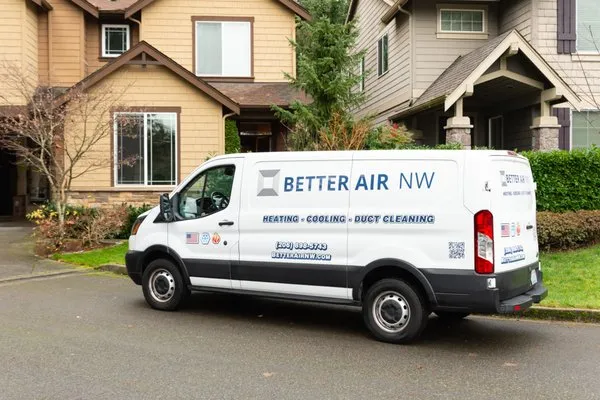
Better Air NW is a family-run HVAC and air duct cleaning company serving Everett, WA, and surrounding King and Snohomish Counties. Founded by two brothers over a decade ago, the business is built on a...

Christian, the owner of GREENTOP Heating, brings over 20 years of HVAC expertise to every job. An immigrant from Ukraine, he believes in the Golden Rule and runs a family-owned company that's been a t...
2 Sons Plumbing, Sewer, Electric, Heating & Air
Founded by Tyler, who brings 28 years of Seattle-area experience, 2 Sons Plumbing, Sewer, Electric, Heating & Air began as a modest business focused on providing reliable plumbing, drain, and water he...
Overlake Heating & Air Conditioning
For over six decades, Overlake Heating & Air Conditioning has been a trusted name for home comfort in Redmond and the Eastside. As a family-owned, fully licensed residential HVAC contractor, we specia...
Green Bear Heating And Air
Green Bear Heating and Air is a locally owned and operated HVAC contractor serving Issaquah and surrounding King, Pierce, and South Snohomish Counties. Founded in 2013 by a technician with over two de...
Two Brothers Water Heater Repair
Two Brothers Water Heater Repair is a family-run plumbing and HVAC business serving Seattle and the surrounding communities. Our story is rooted in a lifetime of working with our hands; we started lea...
Seatown Electric Plumbing Heating and Air
Seatown Electric Plumbing Heating and Air is a locally owned and operated home services provider based in Mukilteo, WA, serving King, Snohomish, Whatcom, and Skagit Counties. Founded by Brandon after ...
Go-Green Heating AC & Electric
Founded on a promise of honest advice and guaranteed work, Go-Green Heating AC & Electric began in 2016 as a one-person operation driven by a simple goal: to become Seattle's trusted comfort specialis...
Innovative Air Heating & Air Conditioning is your trusted local HVAC partner in Renton, WA. Our team of experienced contractors brings years of specialized training to every job, focusing on finding t...
West Seattle Heating & Air is a trusted HVAC company serving Seattle, WA, specializing in heating and air conditioning solutions for local homeowners. We understand that many Seattle homes face common...
Estimated HVAC Service Costs in Sammamish, WA
Questions and Answers
What does an Ecobee E1 alert mean for my Sammamish HVAC?
An Ecobee E1 signal indicates the thermostat isn't detecting airflow from your HVAC system. In Sammamish homes, this commonly points to condensate pump failure causing safety switch activation or blower motor issues. The alert allows early intervention before complete system shutdown. Schedule service within 24 hours to prevent secondary damage from continued operation attempts.
How old is my HVAC system likely to be in Sammamish?
Most HVAC systems in Sammamish date to 1994, making them 32 years old in 2026. This age exceeds the typical 15-20 year lifespan for residential equipment. Older systems often develop condensate pump failures due to mineral buildup from moderate humidity and wear on mechanical components. Regular maintenance can extend service life, but replacement becomes more cost-effective than repeated repairs.
Why does my AC struggle during Sammamish's hottest days?
Sammamish occasionally reaches 95°F, exceeding the standard 85°F design temperature for most systems. This 10-degree gap reduces cooling capacity by 20-30% as refrigerant pressure limits approach. Modern R-454B refrigerant maintains better performance at higher temperatures than older R-410A, with 5-8% greater capacity above 90°F. Proper sizing accounts for these peak conditions rather than average temperatures.
Can my Sammamish home handle better air filtration for wildfire smoke?
Galvanized sheet metal ductwork with flexible runs typically supports MERV-13 filters without static pressure issues when properly sized. This filtration level captures 85% of PM2.5 particles from wildfire smoke and 90% of pollen during May peaks. Verify your system's airflow capacity before upgrading, as restricted flow can reduce cooling efficiency by 15-20%. Balanced ventilation maintains indoor air quality during extended smoke events.
What if my HVAC stops working during a Sammamish Plateau heatwave?
For emergency no-cool calls on the Plateau, technicians dispatch from Sammamish Commons with direct access to WA-520. This routing ensures a 15-25 minute response window even during peak traffic. Quick diagnosis often identifies refrigerant leaks or electrical faults common in older systems. Having your system model and error codes ready speeds the repair process significantly.
What permits and standards apply to new HVAC installations in Sammamish?
The City of Sammamish Community Development Department requires permits for all HVAC replacements involving refrigerant changes or electrical modifications. 2026 standards mandate A2L refrigerant safety protocols for R-454B systems, including leak detectors and ventilation requirements. Certified technicians must document refrigerant charge and system performance. These measures ensure safe operation while maintaining efficiency ratings.
Should I switch from electric heat to a heat pump in Sammamish?
Heat pumps provide efficient heating down to 15°F, covering Sammamish's typical winter lows. During utility peak hours (7-10 AM and 5-8 PM), heat pumps use 30-50% less electricity than resistance heating. The dual heating/cooling function eliminates separate system maintenance. With current rebates and Sammamish's moderate climate, heat pumps typically achieve full payback within 4-6 years through operational savings.
Do new efficiency standards make sense with Sammamish electricity rates?
The 2026 SEER2 14.3 minimum represents a 15% efficiency gain over previous standards. At Sammamish's 0.11/kWh rate, this translates to approximately $180 annual savings on a 3-ton system. The Inflation Reduction Act provides up to $8,000 in rebates, making high-efficiency upgrades financially viable. Combining these factors typically yields a 5-7 year payback period for new installations.
