
Top Emergency HVAC Services in SeaTac, WA, 98032 | Compare & Call

There are 240 hvac companies server in Seatac WA
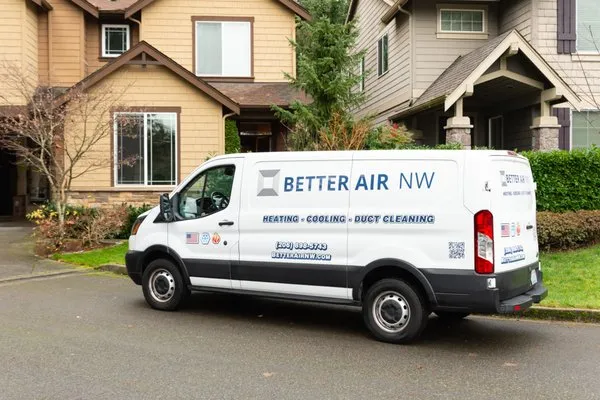
Better Air NW is a family-run HVAC and air duct cleaning company serving Everett, WA, and surrounding King and Snohomish Counties. Founded by two brothers over a decade ago, the business is built on a...

Christian, the owner of GREENTOP Heating, brings over 20 years of HVAC expertise to every job. An immigrant from Ukraine, he believes in the Golden Rule and runs a family-owned company that's been a t...
2 Sons Plumbing, Sewer, Electric, Heating & Air
Founded by Tyler, who brings 28 years of Seattle-area experience, 2 Sons Plumbing, Sewer, Electric, Heating & Air began as a modest business focused on providing reliable plumbing, drain, and water he...

Goat Heating & Cooling is a locally owned and operated HVAC company serving Auburn, WA since 2016. Founded by Andrey Mironets, we specialize in residential heating and cooling solutions with a commitm...

Green Bear Heating And Air
Green Bear Heating and Air is a locally owned and operated HVAC contractor serving Issaquah and surrounding King, Pierce, and South Snohomish Counties. Founded in 2013 by a technician with over two de...

Two Brothers Water Heater Repair
Two Brothers Water Heater Repair is a family-run plumbing and HVAC business serving Seattle and the surrounding communities. Our story is rooted in a lifetime of working with our hands; we started lea...
Seatown Electric Plumbing Heating and Air
Seatown Electric Plumbing Heating and Air is a locally owned and operated home services provider based in Mukilteo, WA, serving King, Snohomish, Whatcom, and Skagit Counties. Founded by Brandon after ...
Go-Green Heating AC & Electric
Founded on a promise of honest advice and guaranteed work, Go-Green Heating AC & Electric began in 2016 as a one-person operation driven by a simple goal: to become Seattle's trusted comfort specialis...
Innovative Air Heating & Air Conditioning is your trusted local HVAC partner in Renton, WA. Our team of experienced contractors brings years of specialized training to every job, focusing on finding t...
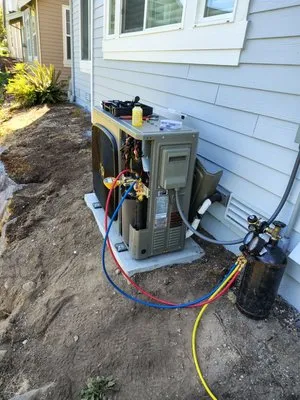
TOP Heating & Cooling
TOP Heating & Cooling is a licensed and bonded HVAC provider serving Issaquah and the surrounding communities. We offer comprehensive repair, maintenance, and installation services for residential and...
Estimated HVAC Service Costs in SeaTac, WA
Question Answers
What permits and standards apply to new HVAC installations?
All SeaTac HVAC replacements require permits from the City of SeaTac Building and Planning Department. 2026 installations using R-454B refrigerant must follow A2L safety standards including leak detection systems, service port caps, and equipment room ventilation calculations. Technicians need EPA 608 certification for flammable refrigerants. These measures ensure safe handling of mildly flammable A2L refrigerants while maintaining system efficiency and compliance with federal regulations.
How does SeaTac's summer heat affect modern refrigerants?
SeaTac's occasional 90°F+ days exceed the standard 85°F design temperature, testing system capacity. R-454B refrigerant maintains stable pressure-temperature relationships up to 115°F ambient, providing reliable cooling during heat spikes. Its lower global warming potential (GWP 466) meets 2026 environmental standards while delivering 3-5% better efficiency than older refrigerants. Properly sized 2.5-ton systems with R-454B can handle these temperature excursions without excessive cycling.
What if my Angle Lake home loses cooling during a heatwave?
A no-cool emergency in Angle Lake requires immediate attention to prevent heat buildup. Technicians based near SeaTac Center can access I-5 for direct routing to your neighborhood, maintaining a 12-minute average response time. This rapid dispatch allows diagnosis of common failures like refrigerant leaks or compressor issues before indoor temperatures become unsafe. Quick intervention preserves system components and prevents secondary damage.
Why do SeaTac HVAC systems from the 1970s often have drainage issues?
SeaTac homes built around 1970 have HVAC units that are now 56 years old. Galvanized sheet metal ductwork with external wrap, common in that era, develops micro-cracks over decades that allow moisture intrusion. This moisture combines with moderate humidity to create ideal conditions for biofilm growth in condensate drain lines. The biofilm eventually blocks drainage, causing system shutdowns and potential water damage.
Can my older ductwork handle wildfire smoke filtration?
Galvanized sheet metal ductwork with external wrap typically maintains sufficient integrity for MERV-13 filters, which capture 85% of wildfire PM2.5 particles. However, static pressure testing is essential before installation—older systems may require duct sealing to handle the increased resistance. During May pollen peaks, these filters also trap 90% of pollen grains. Properly sized systems with clean coils can maintain airflow while providing this protection.
What does an Ecobee E1 alert mean for my SeaTac system?
An Ecobee E1 error indicates the thermostat has lost communication with the HVAC equipment. In SeaTac's moderate humidity environment, this often signals condensate overflow triggering a safety switch, interrupting control voltage. It can also indicate blown fuses from compressor hard starts during temperature swings. Immediate diagnosis prevents compressor damage or mold growth from standing water. Technicians verify drain line clearance and electrical connections to restore communication.
How do 2026 SEER2 standards affect my utility bills?
The 14.3 SEER2 minimum for 2026 represents a 15% efficiency gain over previous standards. At SeaTac's 0.11/kWh rate, upgrading from a 10 SEER system saves approximately $450 annually on cooling. The Inflation Reduction Act's $8,000 rebate cap makes high-efficiency replacements financially accessible. Combined with Puget Sound Energy's $800-$2,000 rebate, the payback period for a 16 SEER2 system drops below three years.
Should I switch from gas heat to a heat pump in SeaTac?
SeaTac's mild winters with lows around 20°F make heat pumps practical for most heating needs. Modern cold-climate models maintain efficiency down to 5°F, reducing reliance on gas backup. Programming the system to avoid utility peak hours (7-10 AM and 5-8 PM) maximizes savings at 0.11/kWh rates. The Inflation Reduction Act rebates cover up to $8,000 of conversion costs, making the switch economically favorable when combined with reduced gas bills.
