
Top Emergency HVAC Services in Seattle, WA, 98101 | Compare & Call

2 Sons Plumbing, Sewer, Electric, Heating & Air
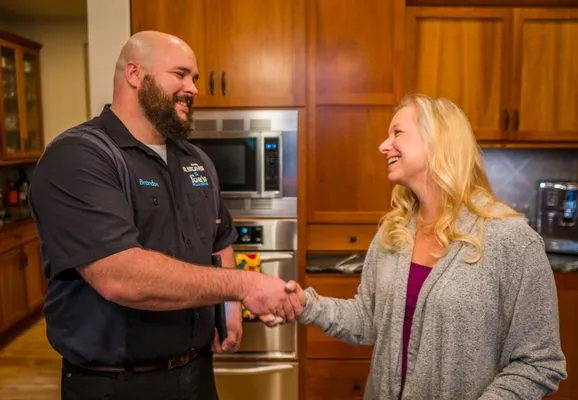
Founded by Tyler, who brings 28 years of Seattle-area experience, 2 Sons Plumbing, Sewer, Electric, Heating & Air began as a modest business focused on providing reliable plumbing, drain, and water he...
Two Brothers Water Heater Repair
Two Brothers Water Heater Repair is a family-run plumbing and HVAC business serving Seattle and the surrounding communities. Our story is rooted in a lifetime of working with our hands; we started lea...
Go-Green Heating AC & Electric
Founded on a promise of honest advice and guaranteed work, Go-Green Heating AC & Electric began in 2016 as a one-person operation driven by a simple goal: to become Seattle's trusted comfort specialis...

West Seattle Heating & Air is a trusted HVAC company serving Seattle, WA, specializing in heating and air conditioning solutions for local homeowners. We understand that many Seattle homes face common...
Evergreen Home Heating and Energy
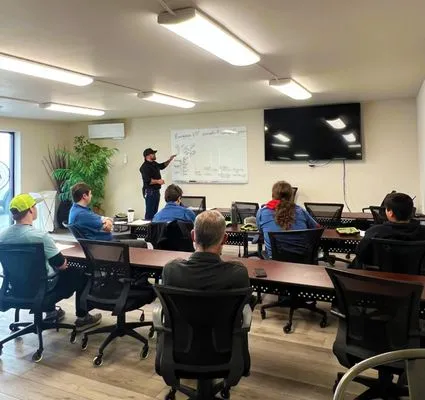
Evergreen Home Heating and Energy is a family-owned Seattle HVAC specialist with roots going back to 1975. Founded by Dave and Rodger Patton, the company is now run by the next generation, combining d...
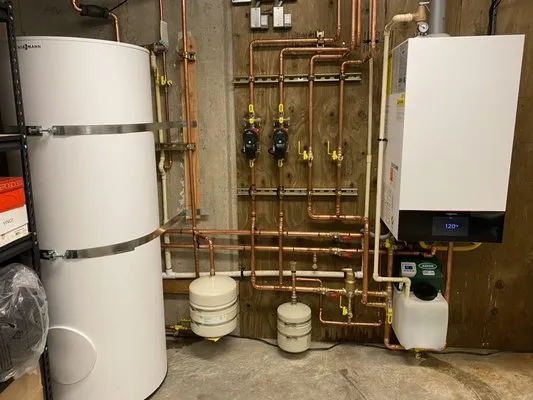
SKN Works Radiant Heating, established in 2012, is a Seattle-based contractor specializing in hydronic and radiant heating systems for the Puget Sound area. Founded by Dima, the company evolved from a...
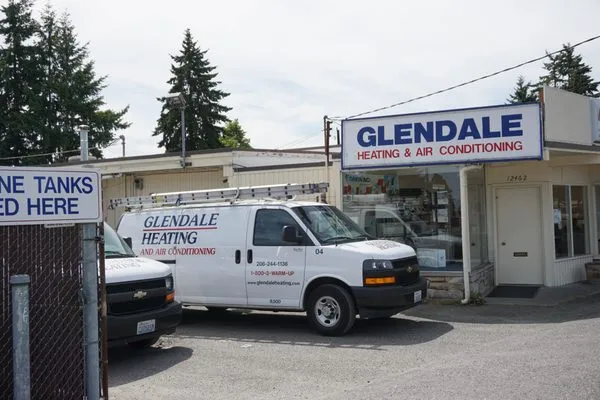
Glendale Heating & Air Conditioning
Since 1938, Glendale Heating & Air Conditioning has been a trusted, family-owned HVAC provider serving the greater Seattle area, including Tacoma and Bellevue. As a third-generation company, we specia...

Ally Heating and Air Conditioning
My journey in HVAC and plumbing started in a local supply house in Hawaii, where I learned the importance of helping people solve problems. That hands-on experience, first as an apprentice and then as...
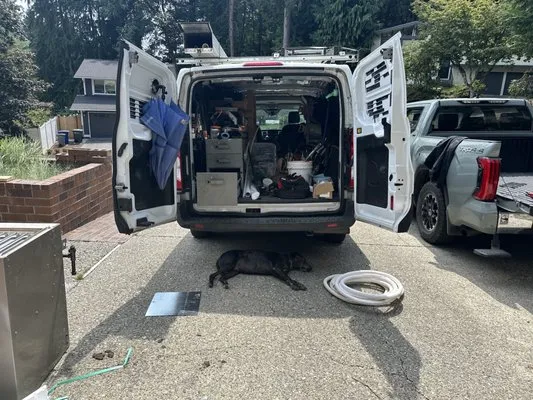
For over two decades, Duro Heating has been a trusted, family-operated HVAC and water heater service provider in Seattle. Our ownership transition in the 1990s reinforced, rather than changed, our cor...
Beacon Plumbing - Seattle
Since our founding in Kent in 1999, Beacon Plumbing has grown from a small, family-run operation to one of Washington's largest service providers, now proudly serving Seattle and the surrounding regio...
Question Answers
What should I do if my AC stops working during a Capitol Hill heatwave?
First check your thermostat settings and circuit breakers, then call for service. From our location near the Space Needle, we can dispatch a technician via I-5 to reach Capitol Hill within 15-25 minutes during normal traffic. Emergency response prioritizes restoring cooling to prevent heat-related discomfort in your home. Quick diagnosis often identifies simple issues like tripped breakers or clogged filters before major repairs are needed.
Can my Seattle home handle better air filtration with wildfire smoke?
Seattle's galvanized sheet metal ductwork with external fiberglass wrap typically handles MERV-13 filters without significant static pressure issues. This filtration level captures 85% of wildfire PM2.5 particles and 90% of May pollen. Proper filter sizing and regular replacement prevent airflow restrictions. Enhanced filtration combined with proper ventilation creates a healthier indoor environment during both wildfire season and pollen peaks.
How old is my HVAC system likely to be in Seattle?
Most Seattle homes have HVAC systems installed around 1973, making them approximately 53 years old in 2026. This age means components like condensate lines have decades of mineral buildup and biological growth. The moderate marine humidity creates ideal conditions for algae and mold in drainage systems. Regular maintenance becomes critical as these older systems approach their design lifespan limits.
What permits and standards apply to new HVAC installations in Seattle?
All HVAC installations in Seattle require permits from the Seattle Department of Construction and Inspections. The 2026 standards mandate specific safety protocols for R-454B and other A2L refrigerants, including leak detection and ventilation requirements. These regulations address the mild flammability characteristics of modern refrigerants while maintaining environmental benefits. Proper documentation ensures compliance with both local codes and federal efficiency standards.
Are new efficiency standards worth the investment in Seattle?
The 2026 SEER2 minimum of 13.4 represents a significant efficiency improvement over older systems. At Seattle's 12¢ per kWh rates, a properly sized 2.5-ton system meeting this standard can reduce annual cooling costs by 20-30%. The Inflation Reduction Act provides up to $8,000 in rebates for qualifying installations, making the payback period surprisingly short. These combined savings make 2026 an optimal year for HVAC upgrades in our region.
Should I switch from electric resistance heat to a heat pump in Seattle?
Seattle's mild winters with lows around 35°F make heat pumps exceptionally efficient replacements for electric resistance heating. Modern cold-climate heat pumps maintain full capacity down to 5°F while using 50-70% less electricity. Avoiding utility peak hours from 5-9 PM further optimizes operating costs. The combination of IRA rebates and Seattle City Light's $1,500 incentive makes this transition economically favorable in 2026.
What does an Ecobee E1 alert mean for my Seattle HVAC system?
An Ecobee E1 alert indicates your HVAC system isn't responding to thermostat commands. In Seattle's climate, this often points to communication issues between components rather than immediate mechanical failure. Check power to both the thermostat and air handler, then inspect the condensate safety switch which frequently triggers in our humid environment. Professional diagnosis can identify whether this represents a simple reset or requires component replacement.
Why does my AC struggle during Seattle's hottest days?
Seattle's design temperature of 85°F represents the 99th percentile cooling load, but actual temperatures can exceed this during heatwaves. When outdoor temperatures climb above the design limit, system capacity decreases while indoor heat gain increases. Modern R-454B refrigerant maintains better efficiency at higher temperatures than older refrigerants. Proper sizing and regular maintenance ensure your system handles these occasional extreme conditions effectively.
