
Top Emergency HVAC Services in Shoreline, WA, 98133 | Compare & Call

Founded in 1991 by a Seattle native who started as a sheet-metal worker in 1985, Northend Home Heating is a family-run business with over 30 years of experience serving Shoreline and the greater Seatt...
Dynamic Utility Services
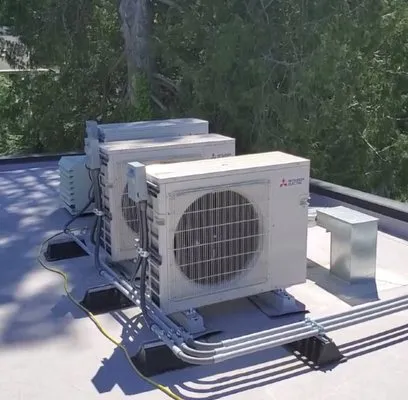
Dynamic Utility Services is a trusted HVAC and water heater specialist serving Shoreline, WA, and the Greater Seattle Area. With over 20 years of experience, including 16 years locally, we focus on cl...

Weekend Heating & Cooling
Weekend Heating & Cooling is a locally owned and licensed HVAC contractor (WA LIC# WEEKEHC830QZ) serving Shoreline, Seattle, and King County. We specialize in comprehensive heating and cooling solutio...
All Systems Heating and Cooling
All Systems Heating and Cooling is a trusted, locally-owned HVAC company serving the Shoreline, WA community. We specialize in keeping your home comfortable and your energy bills manageable. We unders...
OC Mechanical is a trusted, locally-owned heating, air conditioning, and plumbing company serving Shoreline, WA, and the surrounding North Seattle area. We specialize in comprehensive plumbing inspect...
Integral Plumbing & Heating is a trusted, local contractor serving Shoreline, WA homeowners with reliable plumbing and HVAC services. We understand that many homes in our area experience common heatin...
Home Services at The Home Depot
Home Services at The Home Depot in Shoreline is your local partner for trusted home improvements, staffed by certified contractors who meet rigorous industry standards. We offer a comprehensive suite ...
Since 1976, Industrial Air Systems has been a foundational HVAC provider in Shoreline, WA, building a reputation on reliable, tailored solutions for both homes and businesses. Our team focuses on prac...
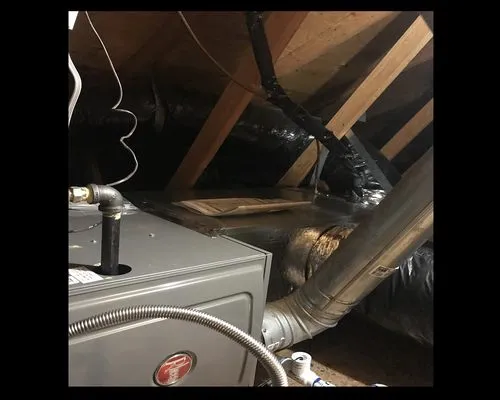
Haller Lake Heating and Air Conditioning is a trusted local HVAC provider serving Shoreline and the surrounding Haller Lake area. Built from a small, dedicated team, we've thoughtfully grown to meet t...
Frequently Asked Questions
My 1960s Richmond Beach home still has its original HVAC system. Is that too old?
Systems installed with homes from the 1968 average build year are approximately 58 years old, which exceeds the typical 15-20 year service life. In Shoreline, the moderate humidity and decades of operation make the fiberglass-lined ductwork and galvanized sheet metal prone to developing biofilm—a slimy microbial growth—inside the condensate drain line. This biofilm is the primary cause of drain line blockages and subsequent water leaks, a very common failure point in systems of this vintage.
Can my home's duct system handle a high-efficiency filter for wildfire smoke and spring pollen?
Your existing galvanized sheet metal ductwork has a robust structure, but the attached fiberglass duct board plenums can restrict airflow. Installing a standard MERV-13 filter for PM2.5 and pollen may create excessive static pressure in an older system. A professional should perform a static pressure test first; the solution is often a properly sized, high-capacity media cabinet that provides filtration without overworking the blower motor.
What should I know about permits and safety for a new A2L refrigerant system?
All HVAC replacements in Shoreline require a permit from the City of Shoreline Planning and Community Development Department. For systems using mildly flammable A2L refrigerants like R-454B, 2026 codes mandate specific safety protocols. This includes leak detectors, revised service access clearances, and specialized technician certification. The permit process ensures the installation meets these updated safety standards for refrigerant containment and electrical safety.
If my air conditioner fails on a hot day near Shoreline City Hall, how quickly can a technician arrive?
For a no-cool emergency, our dispatch from near I-5 provides a reliable 12 to 18 minute response window to the Richmond Beach area. We prioritize these calls during heat events to prevent indoor temperature escalation and humidity buildup. Technicians carry common replacement parts and diagnostic tools to begin immediate repairs upon arrival.
How is an air conditioner designed for 84°F supposed to handle our hotter summer days?
The 84°F design temperature is the outdoor temp at which your system should maintain a 75°F indoor setting. On days exceeding this, which are becoming more frequent, the system runs continuously to try to meet the load, reducing its dehumidification capacity and increasing wear. Modern systems using R-454B refrigerant maintain better efficiency and capacity at these higher temperatures compared to older R-410A units, but proper sizing via a Manual J load calculation remains critical.
With gas heat, is it worth switching to a heat pump for our Shoreline winters?
Modern cold-climate heat pumps are effective for Shoreline's winter lows, especially when paired with properly sealed and insulated ductwork. The economic case is strengthened by the IRA rebates and lower operating costs during off-peak hours. Since Seattle City Light's peak rates are from 7-10 AM and 5-8 PM, programming the heat pump to pre-heat the home before these windows can maximize savings versus gas.
My Ecobee thermostat is showing an 'E1' alert. What does that mean for my system?
An Ecobee E1 error indicates the thermostat is not detecting voltage from the equipment it's connected to, signaling a power or communication loss. In Shoreline, this often points to a safety lockout on the furnace control board triggered by a blocked condensate drain—the common biofilm issue. It can also indicate a tripped float switch, a failed transformer, or a blown fuse, all protecting the system from water damage.
What do the new 2026 efficiency standards mean for my electricity bill?
The federal minimum efficiency is now 14.3 SEER2, a updated metric that better reflects real-world performance. Upgrading from a 10 SEER unit to a modern 18 SEER2 system can reduce cooling energy use by over 40%. With Seattle City Light rates at $0.13 per kWh, these savings are significant. The Washington State Clean Energy Rebate Program, with an $8,000 cap, directly offsets the higher upfront cost of these ultra-efficient units.
