
Top Emergency HVAC Services in Walla Walla, WA, 99362 | Compare & Call

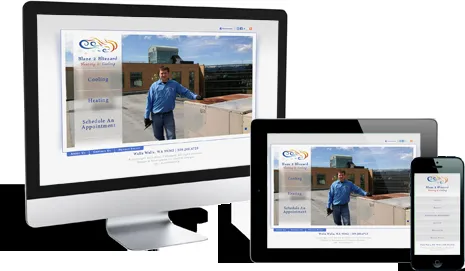
Blaze 2 Blizzard Heating and Cooling was founded by Anatoliy, a skilled and experienced heating and cooling specialist dedicated to serving the Walla Walla valley. The company originated with the goal...
Total Comfort Solutions
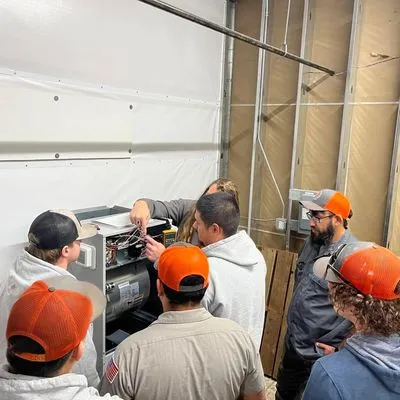
Founded in 2008 by Maureen and Terry Hall, Total Comfort Solutions is a family-owned and operated home service company proudly serving Walla Walla and the surrounding areas. With over 20 years of dedi...
American Air Heating and Cooling
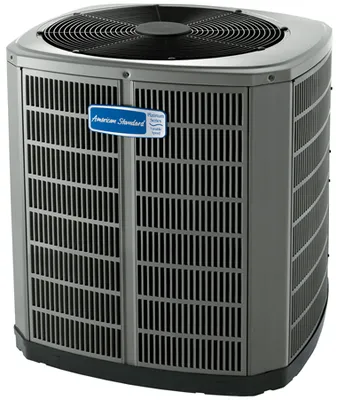
American Air Heating and Cooling is a locally owned and operated HVAC company serving Walla Walla, WA since 2015. Founded by Dan, a Walla Walla native who started the business from his garage, it has ...
Founded in 2004 by lifelong Walla Walla resident Erik Young, Young's Heating and Cooling is a true local fixture. With Erik's hands-on HVAC experience dating back to 1993, the company is built on deep...

Schaefer Refrigeration is a trusted local HVAC contractor serving Walla Walla, WA, and the surrounding communities. Specializing in residential and commercial heating and air conditioning services, th...
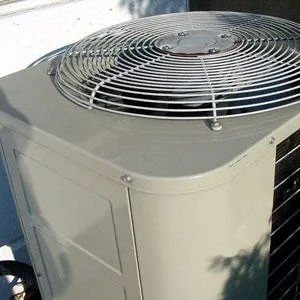
Mill Creek Mechanical is a veteran-owned, BBB A+-accredited HVAC provider serving Walla Walla and the surrounding area. With more than 38 years of hands-on experience, they specialize in the full spec...
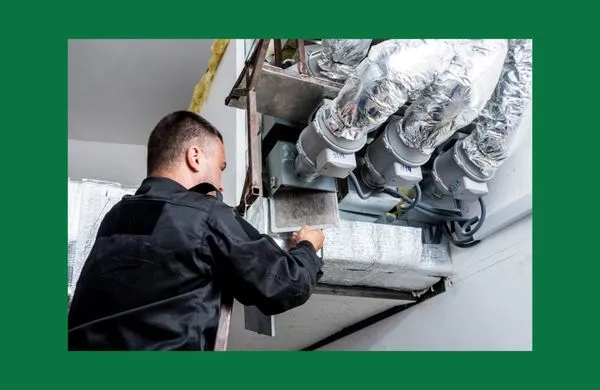
Grassi Refrigeration
Grassi Refrigeration has been a trusted family-owned name in Walla Walla's home comfort industry since 1958. We provide comprehensive heating, ventilation, air conditioning (HVAC), and fireplace servi...
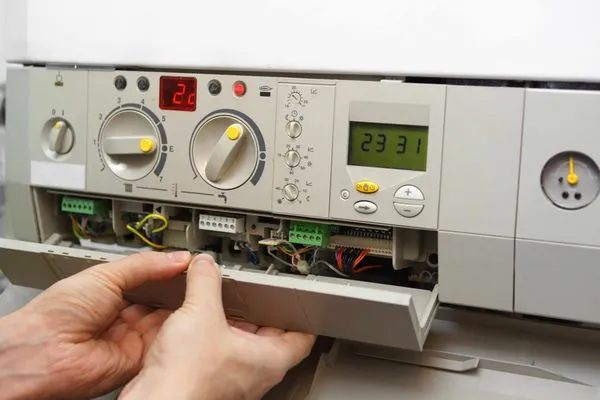
Pro Heating & Air Conditioning is your dependable HVAC contractor in Walla Walla, WA. I combine honest and straightforward advice with technologically advanced diagnostic and service equipment to deli...
Sure Temp Mechanical has been a trusted HVAC resource for Walla Walla, WA homeowners and businesses since 1995. Specializing in installation, replacement, and repair of heating and cooling systems, ou...
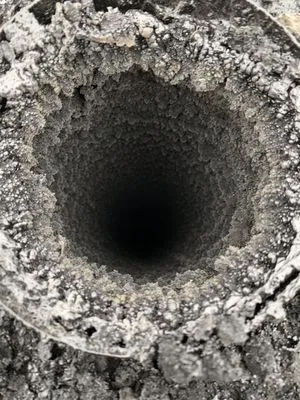
Elite Power-Vac
Elite Power-Vac is a locally owned and operated home services company based in Walla Walla, WA, specializing in chimney sweep, dryer vent cleaning, air duct cleaning, and furnace and fireplace cleanin...
Questions and Answers
How does Walla Walla's heat affect air conditioner performance?
Walla Walla's 94°F design temperature represents the maximum outdoor temperature for proper cooling capacity. When temperatures exceed this limit, systems must work harder to maintain indoor comfort. The standard R-454B refrigerant maintains stable pressure and heat transfer efficiency up to 115°F ambient. Proper sizing through Manual J calculations ensures your system can handle Walla Walla's temperature extremes without excessive cycling.
What does an Ecobee E1 error code mean for my Walla Walla home?
An Ecobee E1 alert indicates the thermostat has lost communication with your HVAC equipment. In Walla Walla's arid climate, this often results from wiring corrosion or voltage fluctuations during summer heat stress. The error prevents proper temperature control and system cycling. Immediate diagnosis identifies whether the issue is thermostat-related or indicates deeper electrical problems in your aging system.
What if my Green Park home loses cooling during a heatwave?
For emergency no-cool situations in Green Park, technicians can typically respond within 8-12 minutes. Using US-12 from Whitman College provides direct access to your neighborhood. This quick response prevents indoor temperatures from rising dangerously during Walla Walla's peak heat hours. Immediate service addresses common issues like refrigerant leaks or electrical failures before they cause further damage.
Why do Walla Walla air conditioners seem to fail more often in summer heat?
The average home in Walla Walla was built in 1966, making many HVAC systems approximately 60 years old. This age means original components like condenser fan motors have endured decades of thermal cycling. During Walla Walla's hot summers, these aging motors face increased electrical resistance and bearing wear, leading to burnout. Proper maintenance can extend life, but replacement becomes necessary when motors exceed their design lifespan.
What permits and safety standards apply to new HVAC installations?
All Walla Walla HVAC installations require permits from the City of Walla Walla Development Services Department. The 2026 A2L safety standards mandate specific leak detection and ventilation requirements for R-454B refrigerant systems. These regulations ensure proper handling of mildly flammable refrigerants in residential applications. Certified technicians must complete specialized training and follow manufacturer specifications for safe, compliant installations.
Should I switch from gas heat to a heat pump in Walla Walla?
Walla Walla's mild winters and 17:00-21:00 utility peak hours make heat pumps economically viable. Modern cold-climate heat pumps maintain efficiency down to 5°F, covering most Walla Walla winter conditions. Shifting heating load away from peak hours reduces strain on the electrical grid. The Inflation Reduction Act rebates make this transition cost-competitive with traditional gas systems while providing year-round comfort.
Can my home's filtration handle Walla Walla's wildfire smoke and pollen?
Walla Walla's wildfire PM2.5 risk and May pollen peak require MERV-13 filtration for adequate protection. Your galvanized sheet metal ductwork typically handles this upgrade without static pressure issues when properly sized. Higher MERV filters capture 90% of pollen and smoke particles while maintaining airflow. Regular filter changes during peak seasons prevent system strain and maintain indoor air quality.
How do new efficiency standards affect my utility bills?
The 2026 SEER2 minimum of 13.4 represents a 15% efficiency improvement over previous standards. At Walla Walla's 0.11/kWh rate, this translates to approximately $180 annual savings for a typical 2.5-ton system. The Inflation Reduction Act provides up to $8,000 in rebates, making high-efficiency upgrades cost-effective. Combined with Pacific Power's $400 rebate, homeowners can achieve payback periods under five years.
