
Top Emergency HVAC Services in Wenatchee, WA, 98801 | Compare & Call

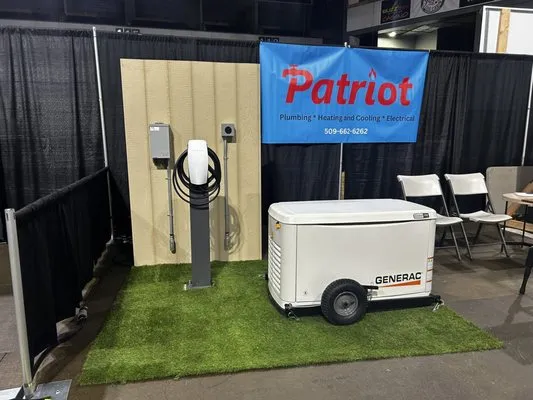
Patriot Plumbing, Heating & Cooling
Patriot Plumbing, Heating & Cooling is a Wenatchee-based home service provider, locally owned and operated since its founding in 2006. The company began as a plumbing and well pump service founded by ...
Phil's Heating & A/C is a trusted name in the Wenatchee Valley, with roots in the community stretching back over five decades. Formerly known as Bob's Heating & A/C, we've built our reputation on reli...
EMAR Heating & Air Conditioning is a trusted HVAC provider serving the Wenatchee, WA area. We understand the specific challenges local homeowners face, such as dealing with clogged condensate drain li...
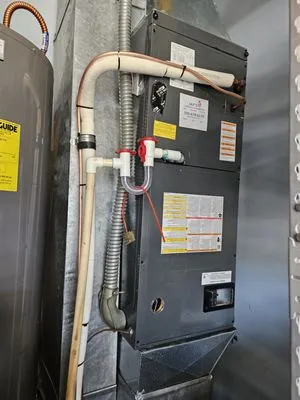
Jay's Heating and Air Conditioning is a locally owned and operated HVAC service founded by Jay, a Wenatchee Valley resident with over 15 years of hands-on experience. He started the business to provid...
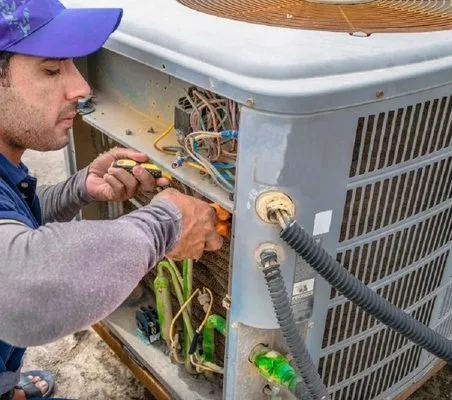
Central Washington Heating and Air
Central Washington Heating and Air is a locally owned and operated HVAC service provider that has been a trusted fixture in the Wenatchee Valley since 1990. With over three decades of combined trade a...
For over a decade, Wenatchee Heating & Cooling has been the trusted HVAC partner for homeowners in the Wenatchee Valley. We specialize in addressing the specific climate challenges of North Central Wa...
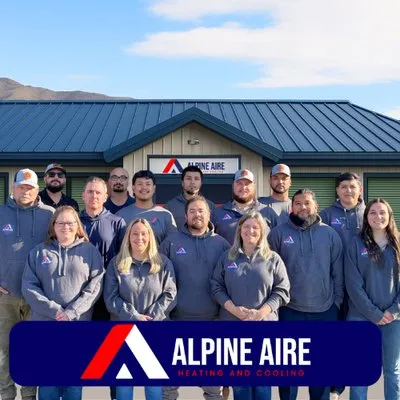
Alpine Aire Heating & Cooling has been a trusted name in Wenatchee and across North Central Washington since 2007, when owners Tom and Patty Ross purchased the business. Committed to serving their com...
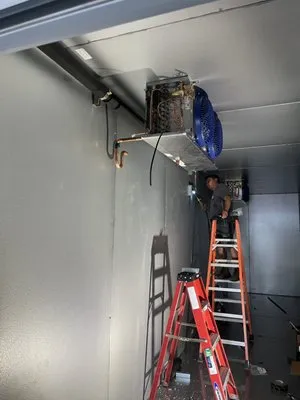
Xtreme Heating And Cooling is a trusted HVAC company serving Wenatchee, WA, and the surrounding areas. We specialize in professional heating and cooling solutions, including installation, repair, and ...
Columbia Cooling & Refrigeration
For over 35 years, Columbia Cooling & Refrigeration has been a trusted HVAC resource for Wenatchee Valley residents and businesses. As a Bryant Factory Authorized Dealer, we provide dependable heating...
A & C Mechanical has been a trusted heating, air conditioning, and boiler contractor serving Central Washington since 1994. As a fully licensed and bonded General and Specialty HVAC/R Electrical Contr...
Common Questions
Can my home's ductwork handle a high-quality filter for wildfire smoke and May pollen?
Your existing galvanized sheet metal ductwork with external fiberglass wrap is generally robust and can often accommodate a MERV-13 filter for capturing PM2.5 and pollen. The critical factor is static pressure; an older blower motor may struggle. A technician should measure system static pressure before installing a high-MERV filter to ensure it doesn't restrict airflow, which can cause freezing coils or reduced heating capacity.
Our AC just quit on a hot South Wenatchee afternoon. How fast can a technician get here?
For a no-cool emergency in South Wenatchee, dispatch from a service hub near the Wenatchee Valley Museum and Cultural Center allows for a rapid response. Technicians use US-2 for direct access to your neighborhood, typically arriving within 8 to 12 minutes. The first step is to check for simple issues like a tripped circuit breaker or a clogged air filter before diagnosing the compressor or refrigerant charge.
Is switching from my gas furnace to a heat pump a good idea for Wenatchee winters?
Modern cold-climate heat pumps are effective in Wenatchee, where winter lows infrequently dip below their efficient operating range. The economics are compelling given low electricity rates and available rebates. For backup during extreme cold or power outages, a dual-fuel system retaining your gas furnace is a prudent strategy. To maximize savings, program the heat pump to avoid heating during Chelan PUD's peak rate hours from 5 PM to 9 PM.
My old Wenatchee air conditioner keeps breaking down. Is it just worn out?
A system installed in a typical 1977 Wenatchee home is now 49 years old, well past its expected lifespan. This age, combined with our high summer heat, directly leads to the common failure of condenser fan motor burnout. The motor's bearings and windings degrade over decades of exposure to 90°F+ temperatures, causing it to seize and trip the system's safety controls. Proactive replacement avoids a complete failure during a critical cooling period.
My Ecobee thermostat is showing an 'E1' alert. What does that mean here?
An Ecobee E1 alert indicates a communication loss between the thermostat and your HVAC equipment. In Wenatchee, this is often caused by a condensate safety switch tripping due to a clogged drain line—a common issue in our semi-arid climate where dust can quickly block drains. It can also signal a power interruption to the indoor air handler. Checking the drain pan and the unit's circuit breaker are the first troubleshooting steps.
Why does my AC seem to struggle on the hottest days above 100°F?
Wenatchee's design temperature for HVAC systems is 94°F, meaning systems are sized to maintain comfort efficiently up to that point. On days reaching 105°F, the system operates continuously at maximum capacity, and the temperature differential (delta T) it can achieve shrinks. Modern units using R-454B refrigerant are engineered for better performance in these high ambient temperatures compared to older R-410A systems, but all systems have a physical performance limit.
What are the permit and safety requirements for a new AC installation in 2026?
All installations in Wenatchee require a permit from the City of Wenatchee Building and Planning Department. Since 2025, new systems predominantly use A2L refrigerants like R-454B, which are mildly flammable. This mandates compliance with updated safety standards (UL 60335-2-40) requiring leak detection, specific circuit breakers, and proper labeling. Only EPA Section 608 certified technicians trained in A2L handling should perform the installation and charging.
What does the new 14.3 SEER2 minimum efficiency standard mean for my power bill?
The 14.3 SEER2 federal minimum effective in 2026 represents a significant jump in baseline efficiency over older units. At Chelan PUD's rate of $0.045 per kWh, upgrading from a 10 SEER system to a 16 SEER2 model can cut cooling costs by nearly 30%. The active Inflation Reduction Act rebates, with an $8,000 cap, can dramatically offset the upfront cost of a high-efficiency system, making the payback period very attractive.
