
Top Emergency HVAC Services in Appleton, WI, 54136 | Compare & Call

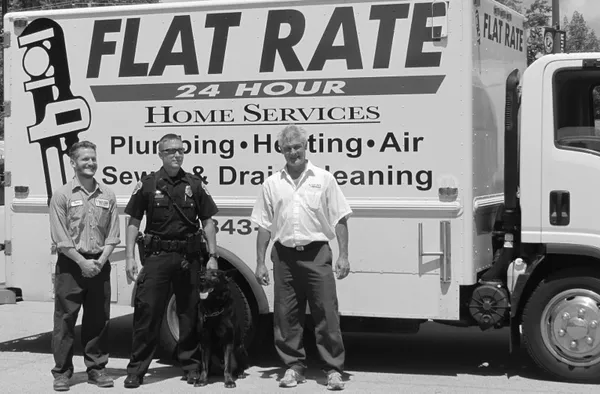
Flat Rate Fox Cities
Flat Rate Fox Cities is a family-owned plumbing, HVAC, and general contracting business serving Appleton and the Fox Valley area. Founded by master plumber Les, who learned the trade working with his ...
Christensen Heating & Air Conditioning Inc
Christensen Heating & Air Conditioning Inc. is a fourth-generation family business that has been a trusted fixture in the Fox Valley community since 1921. For over a century, they have built a reputat...
Blount Heating & Air Conditioning
Serving the Fox Valley Area since 1972, Blount Heating & Air Conditioning is a family-owned business dedicated to keeping Appleton homes comfortable. With a team of experienced technicians, they provi...
Christensen & Wisnet is a fifth-generation family-owned HVAC business serving Appleton, WI since 1966. Founded by Earl Christensen and Joe Wisnet Senior, the company began as a fuel oil provider offer...
Since 1921, Valheat has been a trusted name in Appleton for reliable heating and air conditioning solutions. As a local, family-operated business, we specialize in both HVAC installation and repair, o...

N E W Mechanical
N E W Mechanical is a trusted HVAC partner for Appleton homes and businesses, founded in 2013. With three decades of combined experience, their certified technicians specialize in the full spectrum of...
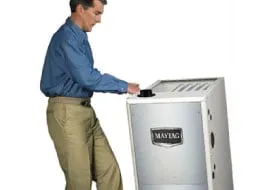
Haak Heating is a third-generation family-owned HVAC company serving Appleton, WI, and the Fox Valley area since 1950. We specialize in heating and cooling solutions for residential and light commerci...

Boucher's Heating & Cooling has been a trusted name in Appleton's HVAC industry since 1957. As a family-owned and operated business, we provide comprehensive heating and cooling solutions for both hom...
Neighborhood Heating & Cooling
Neighborhood Heating & Cooling is your local HVAC expert in Appleton, WI, dedicated to ensuring year-round comfort for your home. We provide reliable heating and cooling installations, repairs, and ma...
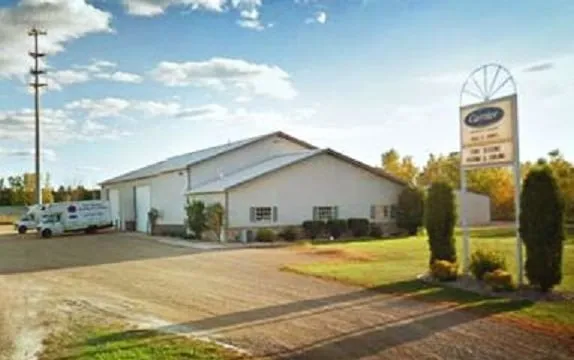
Healthy Home Heating & Cooling was founded by Gary Hinkens and Steve Springstroh with a simple mission: to deliver exceptional customer service at fair prices. For over 30 years, this Appleton-based c...
Q&A
My Ecobee thermostat shows an 'E1' alert. What does that mean here?
An Ecobee E1 error indicates the thermostat has lost communication with the outdoor heat pump or AC unit. In Appleton, this is often caused by a tripped high-pressure switch from a dirty condenser coil during high pollen season, a refrigerant issue, or a failed control board. This specific alert allows for targeted troubleshooting, preventing unnecessary part replacements and directing the technician to check the outdoor unit's electrical connections and safety controls first.
Why does my AC struggle on the hottest Appleton summer days?
HVAC systems are sized for a specific design temperature, which in Appleton is 85°F. On days that exceed this, the system runs continuously to narrow the temperature gap and may not maintain the exact thermostat setpoint. The newer R-454B refrigerant standard for 2026 offers slightly better high-temperature performance and lower global warming potential than older refrigerants, but proper sizing and airflow remain the primary factors for reliable operation during heat waves.
Should I consider switching from gas heat to a heat pump in Appleton?
For many homes, a dual-fuel or cold-climate heat pump system is now a viable year-round solution. Appleton's winter lows require a unit rated for performance below 5°F. The economics depend on gas versus electric rates, but using a heat pump during off-peak hours and the shoulder seasons can save money. Strategically, the existing gas furnace can serve as an efficient backup during peak utility hours from 2 PM to 7 PM on the coldest days.
What are the permit and safety rules for a new AC installation in 2026?
All new installations in Appleton require a permit from the City of Appleton Inspection Services Division. Since 2023, most new equipment uses A2L refrigerants like R-454B, which are mildly flammable. This mandates compliance with updated 2026 safety standards, including specific leak detection requirements, revised clearance distances, and special technician certification. Proper permitting ensures the installation meets these updated codes for safety and system longevity.
Can my home's ductwork handle better filters for ozone and pollen?
Appleton's ozone risk and May pollen peak make MERV-13 filtration a strong recommendation for indoor air quality. However, the galvanized steel ductwork common in older homes may not support it without a static pressure check. Adding a high-MERV filter to an existing system can restrict airflow, causing the furnace to overheat or the AC coil to freeze. A technician should measure static pressure to determine if duct modifications or a dedicated air cleaner are needed.
What if my air conditioner stops on a hot day in City Park?
A sudden 'No-Cool' event requires checking the thermostat, circuit breakers, and the outdoor unit for ice or debris. For immediate service, technicians based near the Appleton Public Library can access I-41 to reach City Park typically within 12-15 minutes. This routing avoids downtown congestion, allowing for a fast diagnostic of common failures like a tripped safety switch or a failed capacitor to restore cooling quickly.
How old is the typical air conditioner in Appleton homes, and does that cause problems?
With an average home built in 1971, the original HVAC systems are now 55 years old. Equipment installed in the 1990s or early 2000s is also nearing critical failure age. This age directly contributes to the common issue of condensate line freezing. Older systems have less precise charge and airflow control, and their drainage systems often become partially blocked with biological growth from our humid continental climate. A frozen condensate line is a frequent symptom of an aging, inefficient unit.
Are new efficiency standards in 2026 worth the investment with current electric rates?
The federal minimum is now 13.4 SEER2, but modern systems easily exceed 16 SEER2. At Appleton's rate of $0.14 per kWh, upgrading from a 10 SEER unit to an 18 SEER2 model can cut cooling costs by nearly half. The active Inflation Reduction Act rebates, with a HEEHRA cap of $8,000, dramatically offset the upfront cost. Combined with Focus on Energy incentives, the payback period can be under five years.
