
Top Emergency HVAC Services in Charleston, WV, 25301 | Compare & Call

Seabolt's Heating and Cooling
Seabolt's Heating and Cooling has been a trusted name in Charleston for over 15 years, providing reliable and honest HVAC services to the local community. As a fully licensed and insured contractor, w...
Dodrill Comfort & Energy Solutions
Dodrill Comfort & Energy Solutions, based in Charleston, WV, is a locally-owned HVAC and energy efficiency specialist led by owner Dennis, a native of the area with decades of experience serving local...
For over 50 years, Charleston Heating has been the trusted local expert for heating and air conditioning in Charleston, WV, and throughout Kanawha and Putnam Counties. As a family-owned and operated b...
Jerry Hilbert
Jerry Hilbert is a trusted, licensed contractor serving the greater Charleston, WV, area for air conditioning, heating, plumbing, and electrical needs. As a full-service provider, Jerry offers a compr...
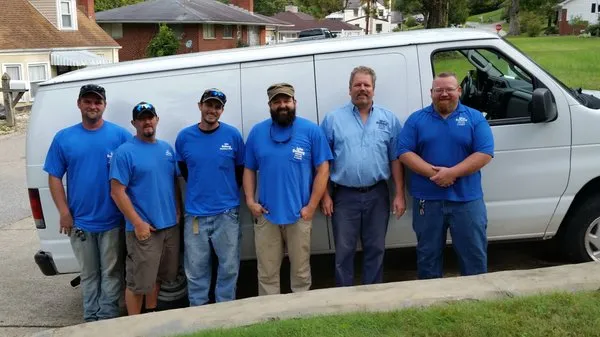
John Solberg Plumbing is a trusted, full-service plumbing and HVAC company serving Charleston, WV, and the surrounding communities. With expertise in plumbing inspection, installation, repair, and sew...
Kanawha Valley Maintenance
Kanawha Valley Maintenance is a trusted plumbing, water heater, and HVAC service provider serving Charleston, WV, and the surrounding Kanawha Valley area. We specialize in comprehensive solutions for ...
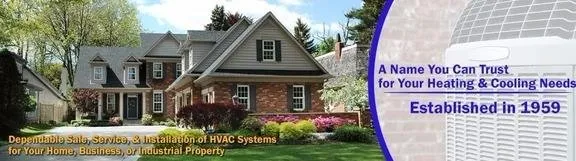
For over six decades, Pappy's Air Comfort has been the trusted name for HVAC services in Charleston and the wider Kanawha Valley. Founded in 1959, our family-run business is built on a simple promise:...
Good News Mechanical is your trusted local HVAC partner in Charleston, WV. We are dedicated to providing reliable service and clear communication to ensure your home's heating, ventilation, and air co...
Al Marino Inc., Plumbing, Heating & Cooling
Al Marino Inc. has been a trusted family name in home services for Charleston, Huntington, and Teays Valley, WV, since 1952. We provide reliable plumbing, heating, cooling, and electrical solutions, f...
Elco Mechanical Contractors
Elco Mechanical Contractors is a trusted, locally-owned plumbing, heating, and air conditioning company serving Charleston, WV, and the surrounding communities. We specialize in comprehensive plumbing...
Common Questions
Should I consider switching from my gas furnace to a heat pump in Charleston?
With winter lows that rarely challenge modern heat pump capacity and Appalachian Power's peak rates from 2 PM to 7 PM, a dual-fuel or high-efficiency heat pump system is a viable option. You can retain your gas furnace as a backup for the coldest hours while using the more economical heat pump during off-peak and shoulder seasons. This transition leverages the existing IRA rebates and can reduce overall annual heating costs.
Is there a good reason to upgrade my old AC unit right now?
Current federal law mandates a minimum SEER2 of 14.3 for new systems installed in 2026. Given Charleston's average electric rate of $0.13 per kWh, upgrading from an old 10 SEER unit can cut cooling costs significantly. The active Inflation Reduction Act (HEEHRA) rebates, with an $8,000 cap, combined with a $300 incentive from Appalachian Power, make the net investment in a high-efficiency system notably lower.
Why does my air conditioner struggle on the very hottest Charleston afternoons?
HVAC systems are engineered to a specific design temperature, which for Charleston is 89°F. When ambient temperatures exceed this, as they often do in summer, the system's capacity to remove heat diminishes. The newer R-454B refrigerant, now standard, maintains better pressure and efficiency at these higher temperatures compared to older R-410A, but it cannot overcome a fundamental undersizing or excessive heat load.
Why do HVAC systems in my Charleston home seem to fail more often now?
The average home in Charleston's East End was built around 1957, meaning many original or replacement systems are over 20 years old. At this age, galvanized steel ductwork can develop leaks and internal corrosion, reducing efficiency. Furthermore, the region's high humidity accelerates wear on components like the evaporator coil, making it the primary contributor to frequent condensate drain line clogs.
Can my home's HVAC system handle better air filters for ozone and pollen?
Charleston faces seasonal ozone risks and a strong pollen peak in May, making filtration important. Your existing galvanized steel ductwork is generally robust, but installing a higher MERV-13 filter requires a static pressure check. An improperly sized filter can restrict airflow, causing the system to overheat or freeze the coil. We recommend a professional assessment to ensure your blower can handle the added resistance without losing performance.
My air conditioner stopped cooling on a hot day in the East End. How fast can a technician arrive?
A dispatch from our shop near the West Virginia State Capitol provides rapid coverage. Using I-64, we can typically reach homes in the East End within 10 to 15 minutes for emergency no-cool calls. This routing avoids downtown congestion, ensuring a technician with diagnostic tools and common parts is on site quickly to restore your cooling.
What should I know about permits and safety for a new AC installation?
All HVAC replacements in Charleston require a permit from the Charleston Building Commission. As of 2026, systems using new A2L refrigerants like R-454B must comply with updated safety standards for leak detection and room occupancy calculations. These codes ensure safe handling of mildly flammable refrigerants. A licensed contractor will handle this permitting process, which is a prerequisite for claiming any utility or federal rebates.
My Ecobee thermostat is showing an E1 alert. What does that mean here?
An Ecobee E1 error indicates the thermostat is not detecting voltage from your HVAC equipment, often signaling a safety switch trip or power interruption. In Charleston's humid climate, this is frequently triggered by a clogged condensate drain line, where water backs up and trips the float switch. This specific alert allows for early intervention before a full system shutdown occurs, preventing potential water damage.
