
Top Emergency HVAC Services in Batavia, IL, 60134 | Compare & Call


Weirich & Sons Heating & Air Conditioning
Since 1959, Weirich & Sons Heating & Air Conditioning has been a trusted family name in Batavia, providing reliable HVAC services to the community. As a locally owned and operated business, we underst...
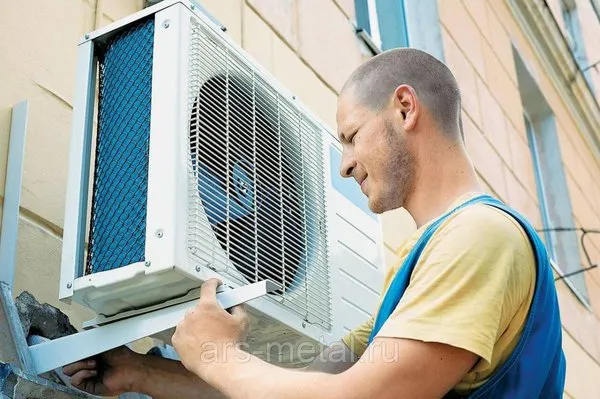
Founded in 2016, Orange Home Services is your Batavia neighbor for dependable heating and cooling. We focus on making home comfort simple and reliable for Fox Valley families. As a licensed and insure...
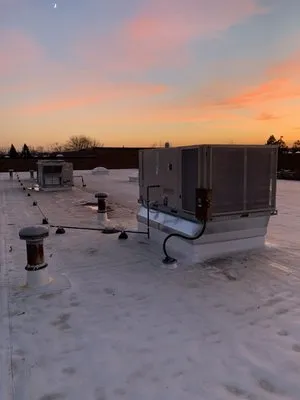
Arrow Heating & Cooling
Arrow Heating & Cooling is a family-owned HVAC company serving Batavia, IL, and the greater Chicagoland area since 1946. With deep roots in the community, we specialize in heating and cooling installa...
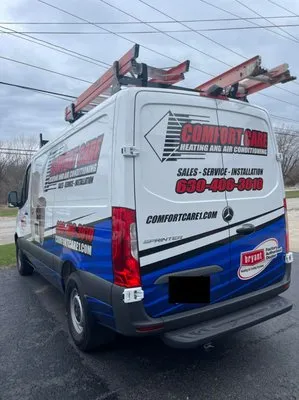
Comfort Care in Batavia is built on a foundation of deep, multi-generational experience and a commitment to local craftsmanship. The company began as a partnership between a mother and son, drawing on...
DME Heating & Cooling has been the trusted heating and cooling company for Batavia, IL, and surrounding communities like Sugar Grove, Geneva, DeKalb, St. Charles, Aurora, and Elburn since 1991. We pro...
State Automatic Heating and Cooling
State Automatic Heating and Cooling has been a trusted name in Batavia since our founding in 1929 by Les Frantz. Now proudly operated by the fourth generation of the family, we are dedicated to servin...
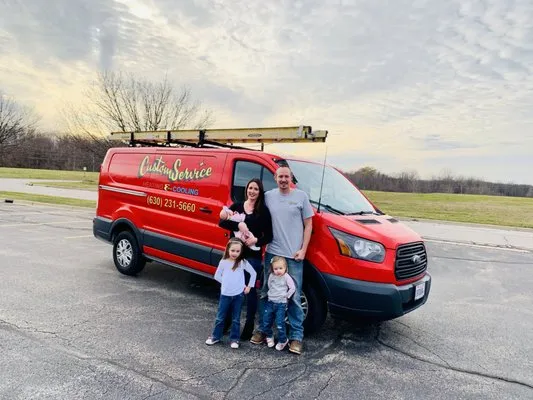
Custom Service Heating & Cooling is Batavia's trusted HVAC specialist, dedicated to keeping local homes comfortable year-round. We understand the unique challenges Batavia residents face, particularly...
All Weather Control
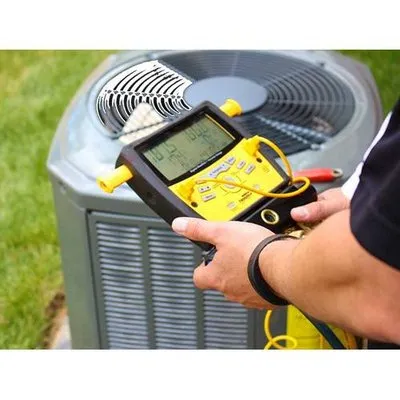
All Weather Control is your trusted local HVAC and water heater expert in Batavia, IL. Founded in 2009 by Dan, a certified technician with over 12 years of hands-on experience, this family-owned busin...
Ultimate Mechanical
Ultimate Mechanical is a family-owned HVAC and air duct cleaning company rooted in Batavia, Illinois. Co-owner Matt Charboneau grew up watching his father in the trade and, after earning a business de...
Meisner Maintenance is Batavia's trusted HVAC specialist, dedicated to keeping local homes comfortable year-round. We understand the common challenges Batavia homeowners face, such as air duct leakage...
Frequently Asked Questions
Can my Batavia home's existing ductwork handle better air filters for pollen and ozone?
Galvanized steel ductwork in 1980s Batavia homes typically handles MERV-13 filters if system static pressure measures below 0.5 inches WC. May pollen peaks and summer ozone risk require this filtration level. A technician should measure external static pressure before upgrading filters. Oversized filters restrict airflow, reducing cooling capacity and potentially causing evaporator coil icing in humid conditions.
What permits and safety standards apply to new AC installations in Batavia?
The City of Batavia Building and Zoning Division requires permits for all refrigerant system replacements. 2026 standards mandate A2L refrigerant safety protocols for R-454B installations, including leak detectors and service port caps. Technicians need EPA Section 608 certification with A2L-specific training. Proper documentation of refrigerant charge and pressure testing must accompany permit applications to ensure compliance with Illinois mechanical codes.
Should I switch from gas heat to a heat pump in Batavia given our winter temperatures?
Modern cold-climate heat pumps maintain efficiency down to -5°F, covering Batavia's winter lows. The $8,000 IRA rebate makes transition economics favorable despite 14:00-19:00 peak electricity rates. Dual-fuel systems combining heat pumps with existing gas furnaces provide optimal efficiency. During extreme cold snaps, the gas furnace activates while the heat pump handles shoulder season heating at lower operating costs.
How does Batavia's summer heat affect modern AC performance?
Batavia's design temperature of 89°F represents the 1% extreme condition systems must handle. Summer highs occasionally reach mid-90s, creating a 5-7°F buffer that modern R-454B refrigerant manages effectively. R-454B maintains stable pressure-temperature relationships up to 120°F ambient, providing reliable cooling during peak heat. Proper sizing through Manual J calculations ensures systems don't short-cycle during milder conditions.
My Ecobee thermostat shows an E1 error code. What does this mean for my Batavia AC?
Ecobee E1 signals refrigerant pressure exceeding safe limits, often from restricted airflow or overcharging. In Batavia's humid climate, this frequently correlates with dirty evaporator coils or filter issues. The system automatically shuts down to prevent compressor damage. Immediate action involves checking filters and outdoor coil cleanliness before calling a technician for pressure measurements and potential refrigerant adjustment.
My Batavia home's AC is from the 1980s. Should I be concerned about its age?
Systems from the 1980s average 41 years old in 2026, exceeding typical 15-20 year lifespans. In Batavia's humid continental climate, older evaporator coils develop microscopic cracks from thermal cycling, allowing refrigerant to leak. This causes evaporator coil icing as refrigerant pressure drops below freezing point. The 1985 average build year means many homes have original equipment operating beyond design parameters.
What if my AC stops working during a Batavia heatwave? How fast can help arrive?
For no-cool emergencies in Downtown Batavia, technicians dispatch from near the Batavia Depot Museum using IL-25 for arterial access. This routing enables 10-15 minute response times during peak hours. Immediate troubleshooting involves checking circuit breakers and thermostat settings while en route. Quick response prevents secondary damage like humidity buildup in your home's interior.
Are the new 2026 efficiency standards worth the investment in Batavia?
The 13.8 SEER2 minimum represents a 15% efficiency gain over pre-2023 standards. At Batavia's 0.16/kWh rates, this translates to approximately $180 annual savings on a 3-ton system. The active $8,000 Inflation Reduction Act heat pump rebate covers most upgrade costs when combined with ComEd's $200-$400 cooling rebates. Payback periods now average 3-5 years instead of 8-10 years pre-rebate.
