
Top Emergency HVAC Services in Belton, TX, 76502 | Compare & Call


Founded in 2003 by Keith and Tara Moore, Moore Air is a trusted, family-owned HVAC provider serving Belton and the surrounding Central Texas communities. With a commitment to honesty, professionalism,...

Rich Construction and Service
Rich Construction and Service, locally known as Rich Services, is a family-owned and operated business proudly serving Belton and Central Texas since 2003. Founded by James "Jim" Rich and his wife Ken...
For over 50 years, Bell Air Conditioning has been the trusted local choice for HVAC needs in Belton and Central Texas. As a family-owned Lennox Premier Dealer since 1964, we specialize in the reliable...
Founded in 2010 right here in Belton, Alltek Services grew from a home-based operation into a trusted local name in HVAC. Our team, led by an owner with over 20 years of experience, consists of highly...

Dr Watts Electric has been a trusted, locally-owned electrical and HVAC contractor serving Belton, TX, and the surrounding communities since 2007. Our team of experienced estimators, project managers,...
Stillhouse Heating & A/C is your trusted local HVAC expert in Belton, TX. We specialize in installation, repair, and maintenance of heating and air conditioning systems, providing reliable comfort yea...
Aspen Air
Aspen Air is a trusted HVAC, refrigeration, and plumbing company serving Belton and Central Texas for over 17 years. We provide comprehensive services including appliance repair, drain repair, HVAC in...
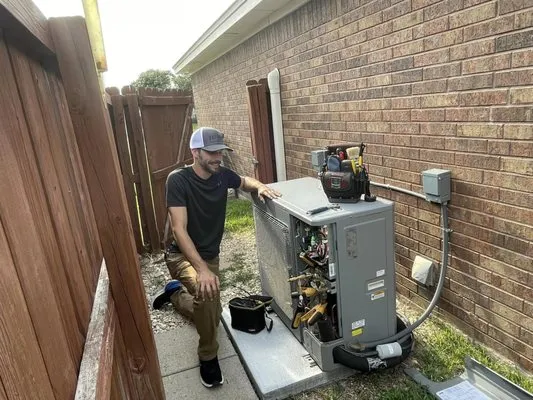
Harris HVAC, proudly serving Belton and surrounding Bell, Williamson, and Travis counties, is a locally owned and operated business dedicated to reliable climate control solutions. Owner Marshall Harr...
High Caliber Heating and Air Conditioning
High Caliber Heating and Air Conditioning is a family-owned HVAC provider serving Belton, TX, with over 14 years of experience. We specialize in heating, cooling, and ventilation solutions for residen...

Belton Air Conditioning is your trusted local HVAC expert, dedicated to keeping homes and businesses in Belton, TX comfortable year-round. We specialize in comprehensive air conditioning and heating s...
FAQs
What does the new 14.3 SEER2 minimum efficiency standard mean for my utility bill?
The 14.3 SEER2 mandate for 2026 ensures all new systems meet a higher baseline of efficiency, which directly reduces kilowatt-hour consumption. At Belton's average rate of $0.14 per kWh, upgrading from a 10 SEER unit to a 16 SEER2 model can cut cooling costs by roughly 30%. The federal Inflation Reduction Act rebates, offering up to $8,000 for qualifying heat pump installations, can dramatically offset the upfront cost of these high-efficiency systems.
My Ecobee thermostat is showing an 'E1' alert. What does this mean?
An Ecobee E1 error code indicates the thermostat has lost communication with the outdoor AC unit. In Belton's climate, this is commonly triggered by a safety lockout from the unit's high-pressure switch, often due to a dirty condenser coil or a failing capacitor during peak heat. It can also signal a complete compressor failure. This alert allows for early diagnosis before a total system shutdown occurs on the hottest day.
My AC stopped blowing cold air on a Saturday afternoon. How fast can a technician arrive?
For a no-cool call in Downtown Belton, our dispatch routes technicians from near the Bell County Courthouse. Using I-35 for quick north-south access, we can typically have a technician on-site within 5 to 10 minutes during business hours. The first diagnostic steps will check for the most common culprits like a tripped breaker or a failed capacitor to restore cooling as quickly as possible.
I use gas heat now. Does a heat pump make sense for our Texas winters?
Modern cold-climate heat pumps are engineered to provide efficient heating in Belton's winter lows, which rarely challenge their capacity. The economic case is strengthened by shifting your heating load from gas to electricity, especially if you pair the system with the federal heat pump rebate. To maximize savings, set the system to use less electricity during Oncor's peak demand hours from 2 PM to 8 PM, when rates are higher.
My AC unit is about as old as my house. Is it time to replace it?
The typical HVAC system in a Belton home from the late 90s is now approximately 30 years old. Units at this age often operate with worn compressors and degraded refrigerant lines, which strain the electrical system. This chronic strain makes the capacitor, a component that helps start the motors, particularly vulnerable to failure from the extreme heat stress we see each summer. Proactive replacement of a system this age can prevent a mid-July breakdown and improve efficiency significantly.
Can my home's ductwork support a high-quality air filter for ozone and pollen?
Effective filtration requires balancing filter density with airflow. Your home's flexible R-6 insulated ductwork has inherent friction, and a restrictive MERV-13 filter can create excessive static pressure, reducing airflow and straining the blower motor. For Belton's April pollen peak and summer ozone risk, a properly sized MERV-11 filter paired with a standalone air purifier often provides superior particle capture without compromising your system's performance or longevity.
What should I verify about permits and safety for a new AC installation?
All new installations in Belton requiring electrical or refrigerant work must be permitted through the City of Belton Planning & Building Department. Since 2025, systems using mildly flammable A2L refrigerants like R-454B must adhere to updated safety standards (ASHRAE 15-2022 and UL 60335-2-40), which mandate specific leak detectors and installation practices. Your contractor should pull the permit and schedule the final inspection to ensure code compliance.
Why does my AC struggle to keep the house at 72° when it's over 100° outside?
HVAC systems are engineered to a specific design temperature, which for Belton is 98°F. When ambient temperatures exceed this limit, as they frequently do, the system's capacity to reject heat diminishes, leading to reduced cooling output and longer run times. Modern systems using R-454B refrigerant maintain better performance and efficiency at these elevated temperatures compared to older R-410A units, but all systems have a performance ceiling during extreme heat.
